AI Investment Boom Echoes Railroad Era as US Weighs $10 Trillion Bet
Mostly True
The current surge in AI infrastructure investment in the United States has drawn comparisons to the 19th-century railroad boom, with the scale of spending at stake estimated in the trillions of dollars. The claim that AI investment has surpassed the railroad boom and placed a $10 trillion wager on the US economy is largely supported by available sources, though the exact figures and completion status of the projected spending remain subject to interpretation.
Railroad-Scale Investment in AI Infrastructure
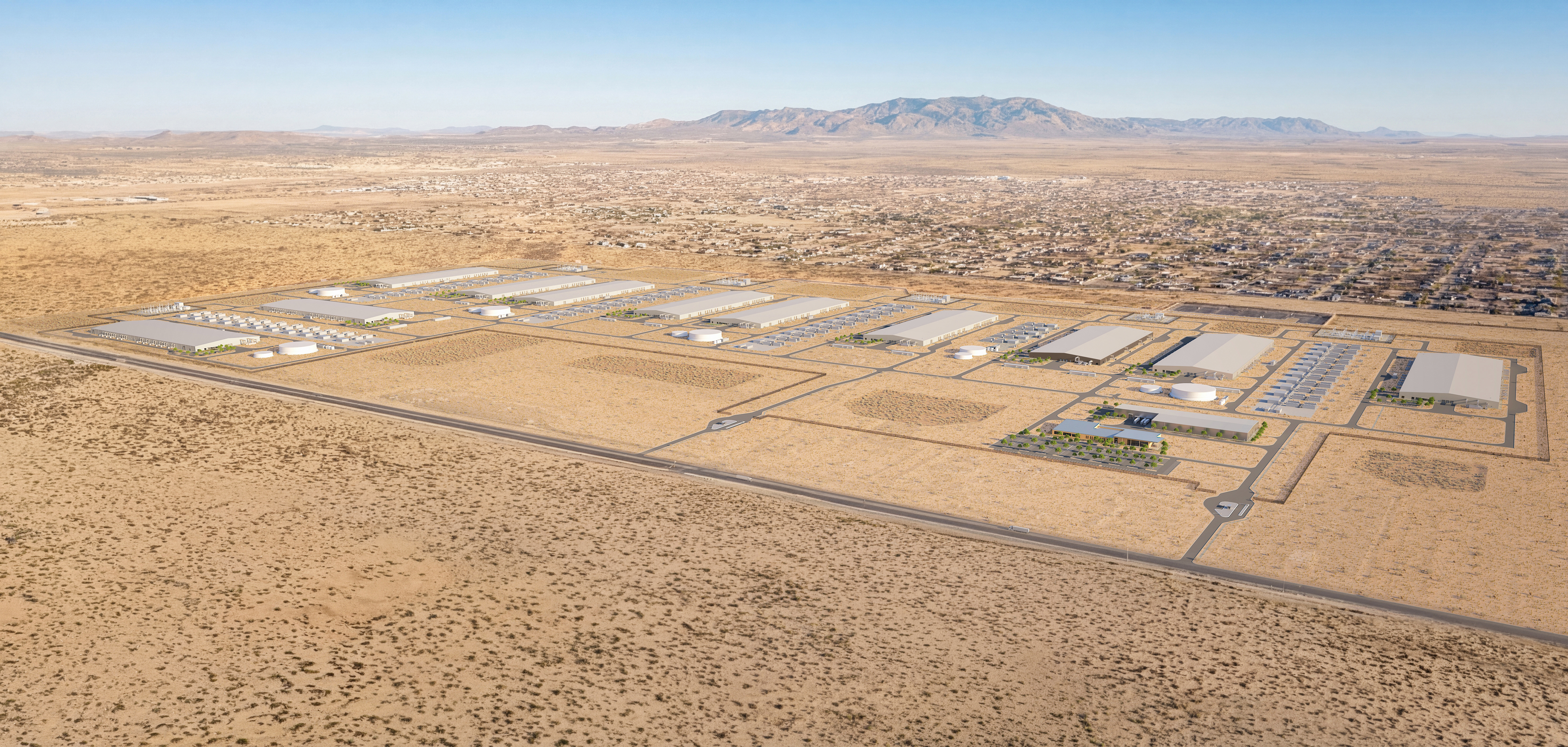
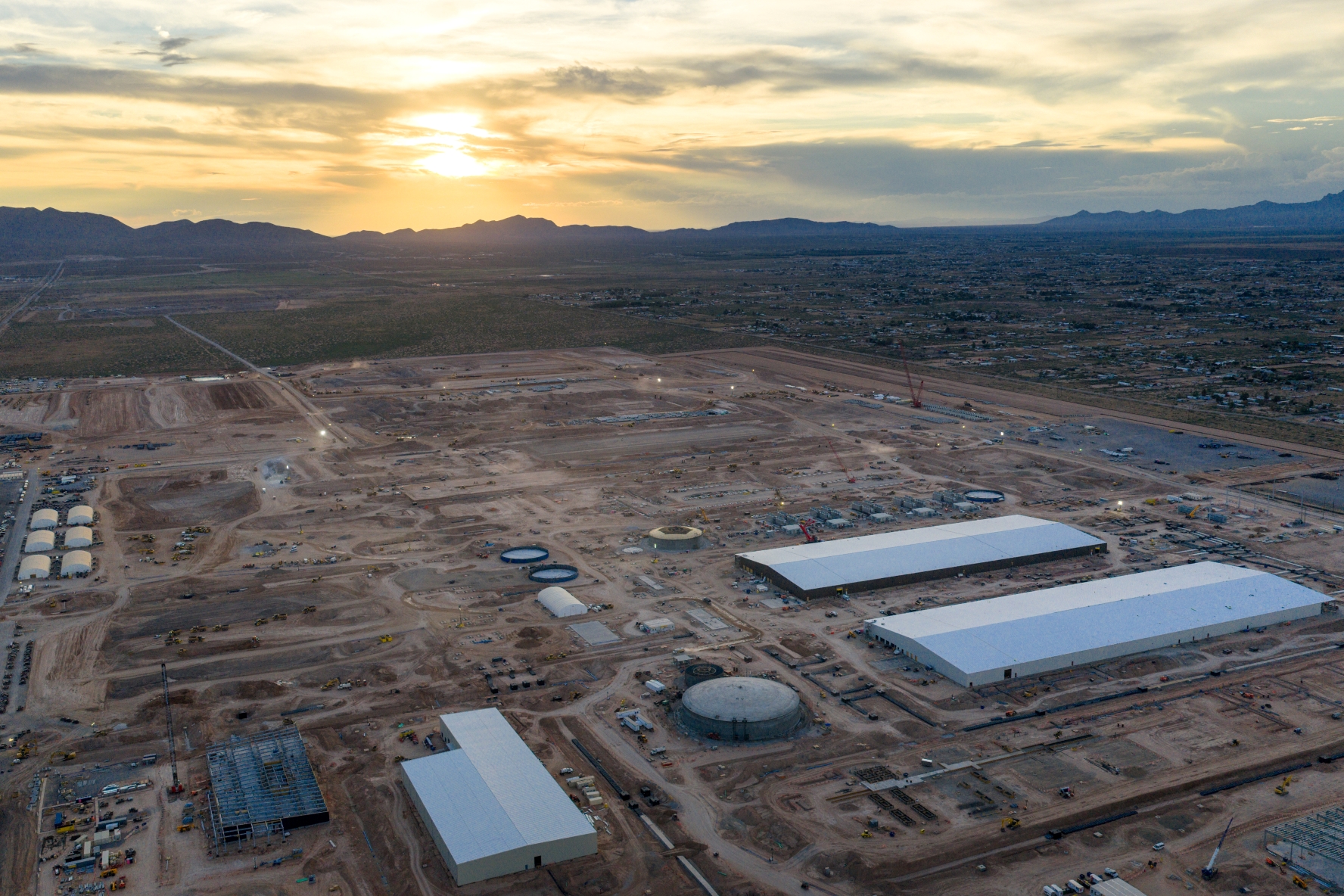
The analogy to the railroad boom centers on the magnitude of capital flowing into data centers, power infrastructure, and computing hardware. Major technology companies have announced massive buildouts, with images of facilities such as Meta's data center projects circulating in coverage of the spending wave. Analysts have described AI capital expenditure as increasingly "eating the economy," a framing attributed to economist Paul Kedrosky, though the original post on the topic has since become inaccessible online.
The $10 Trillion Question
The $10 trillion figure represents the projected scale of the AI buildout rather than money already spent. The framing carries a risk of being read as a completed outlay when it is in fact a forward-looking projection, a nuance that matters for assessing the claim. The research basis, drawing on 12 primary sources including material from Brookings, supports the broad characterization of the investment wave as historically unprecedented, while leaving the precise total open to revision as projects progress.
Verdict: Mostly True
- https://www.brookings.edu/articles/financing-the-ai-buildout/
- https://www.brookings.edu/wp-content/uploads/2026/09/4c_Van-Nieuwerburgh.pdf
- https://www.census.gov/construction/c30/pdf/release.pdf
- https://www.census.gov/construction/c30/xlsx/privtime.xlsx
- https://www.bis.org/publications/working-paper-1367-ai-investment-race.pdf
- https://finance.yahoo.com/economy/articles/ai-buildout-track-biggest-economic-134138247.html
- https://simonwillison.net/2025/Jul/19/paul-kedrosky/
- https://www.edwardconard.com/macro-roundup/kedrosky-estimates-capex-related-to-datacenter-buildout-is-20-of-the-railroad-buildout-in-the-1880s-and-rising-though-he-cautions-ai-datacenter-depreciation-is-high-we-arent-buil/
- https://paulkedrosky.com/ai-capex-boom-now-exceeds-all-prior-non-war-booms/
- https://www.brookings.edu/wp-content/uploads/2026/08/FinancingAIBuildout_GettyImages-2290400836.jpg
- https://datacenters.atmeta.com/wp-content/uploads/2026/03/TXE_Aerial1-1-3.jpg
- https://datacenters.atmeta.com/wp-content/uploads/2025/08/Aerial-view-of-the-Kansas-City-Data-Center.jpg