AI · SEMICONDUCTOR · FACT CHECK
 SKD WIRE
Mostly True
A sharp reversal in China's artificial intelligence stock rally is weighing on the country's push to build an independent domestic semiconductor industry, Nikkei Asia has reported, with tightening market conditions threatening funding momentum for local chipmakers.
The Nikkei Asia report, which examined the link between China's cooling AI investment sentiment and its semiconductor self-sufficiency ambitions, was reviewed alongside other primary sources for this assessment. Details of the report's full text remain behind a subscription barrier, and specific figures cited by the outlet could not be independently enumerated here.
The core dynamic outlined is that the unraveling of China's AI rally has delivered a blow to the "semiconductor self-reliance drive" — Beijing's long-running effort to localize critical chip technologies and reduce dependence on foreign suppliers.
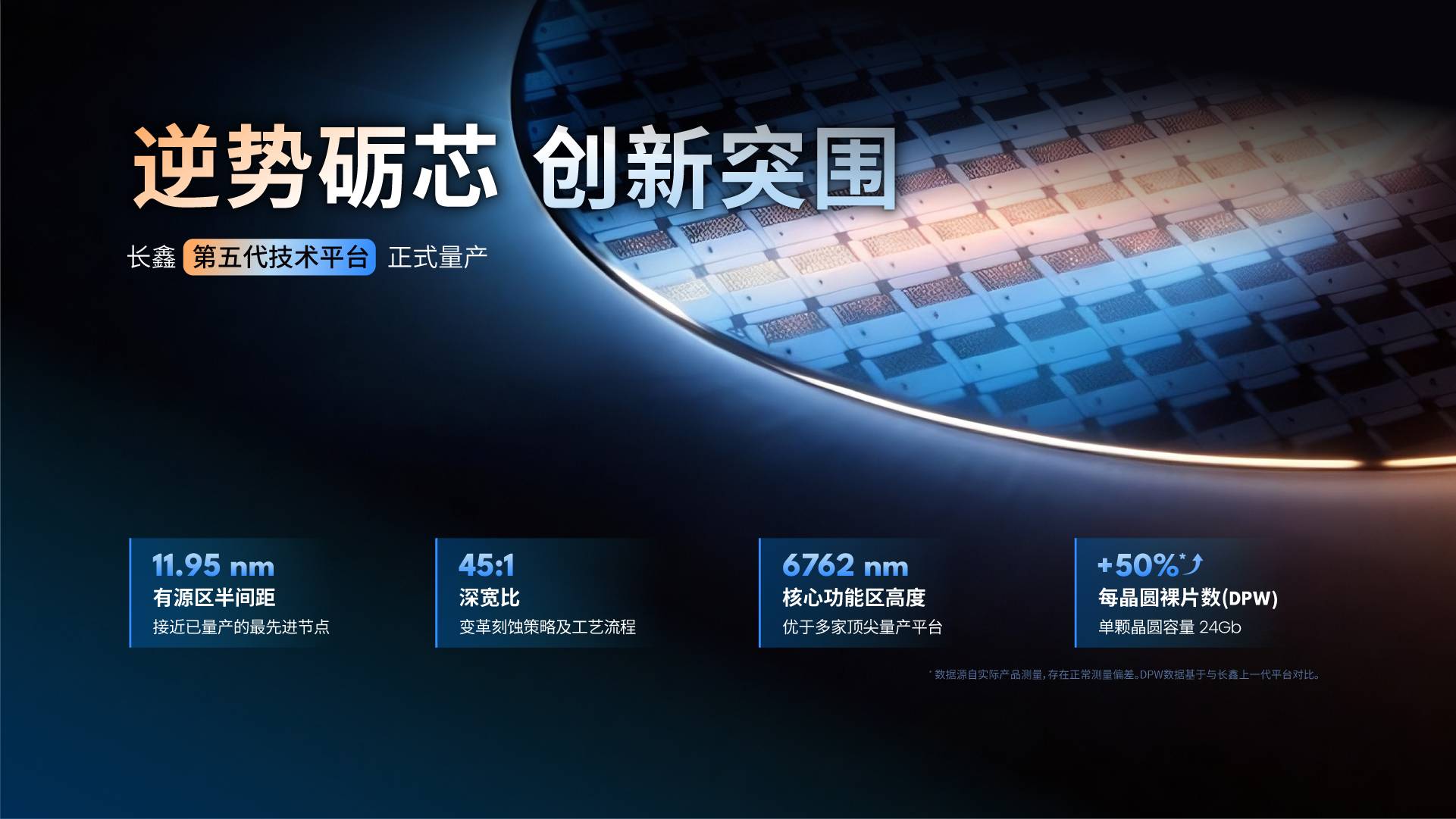
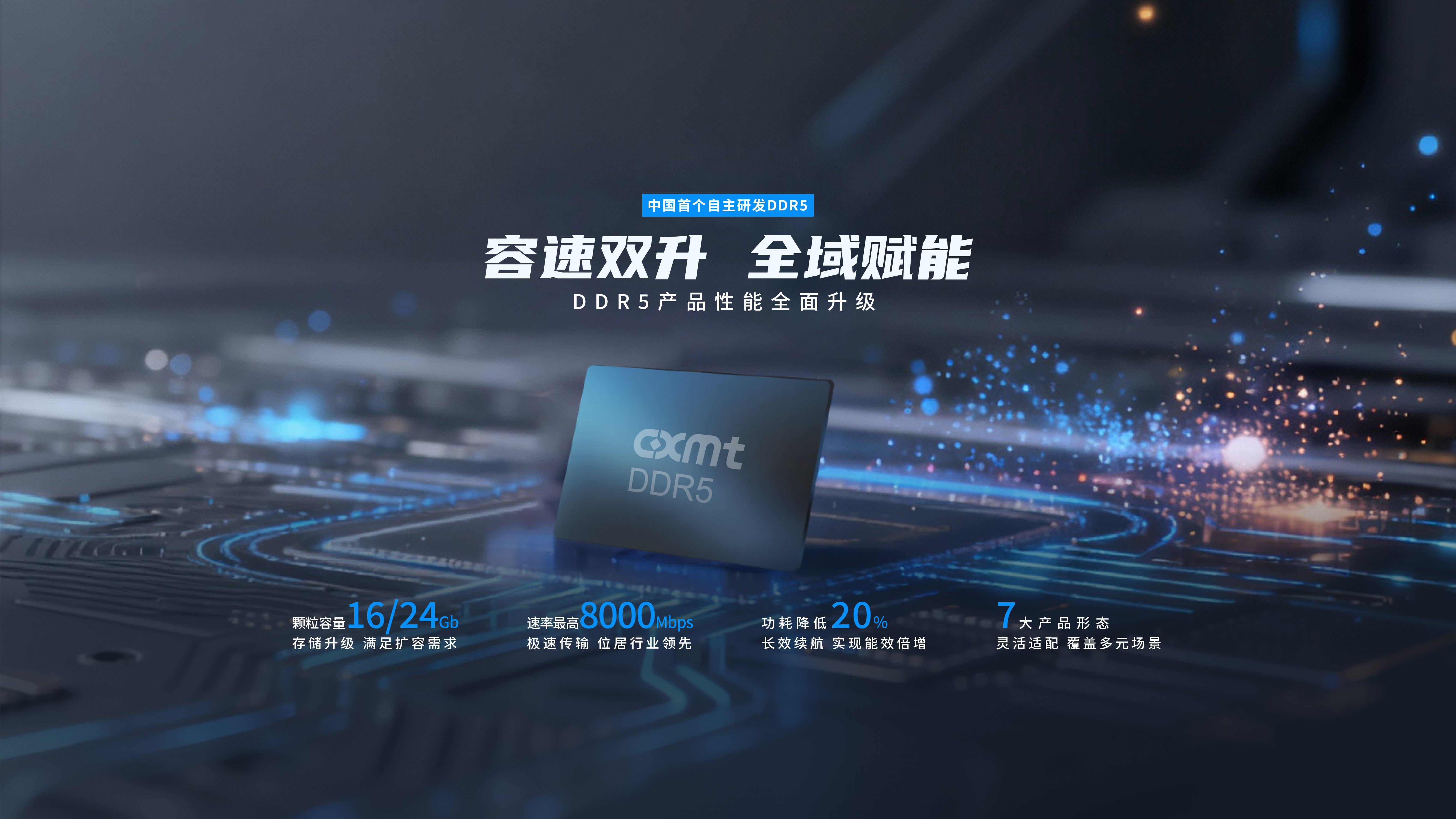
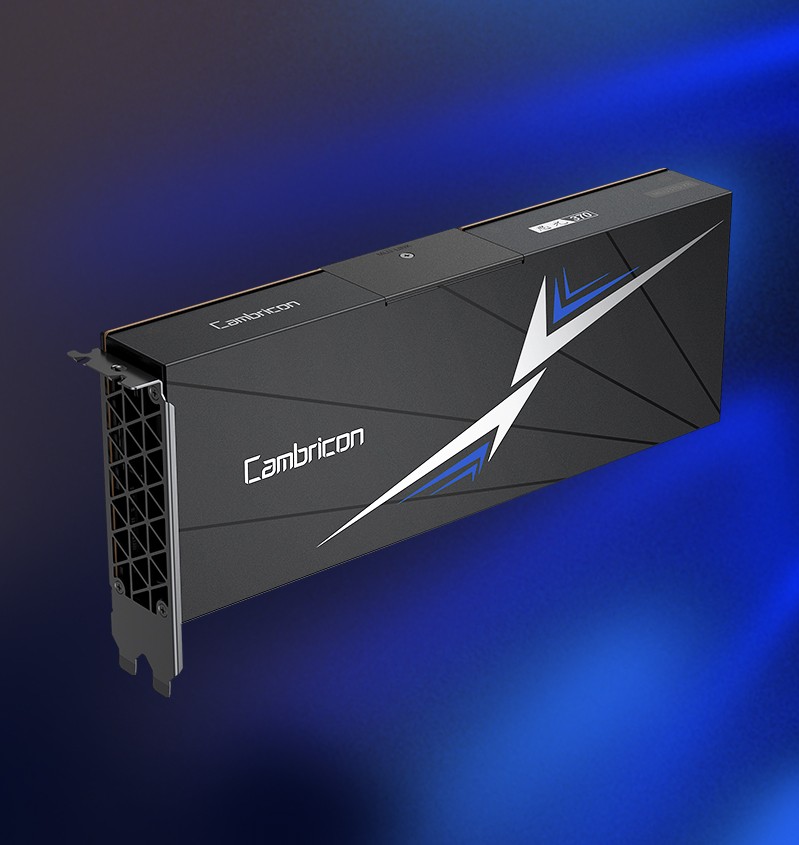
Companies at the center of China's semiconductor independence push include Cambricon, an AI chip designer, and CXMT, a domestic memory maker. Both are frequently cited as flag bearers of the local industry's efforts to compete with foreign incumbents in AI accelerators and memory, respectively.
The extent to which the AI rally's weakness has concretely affected their financing, valuations, or production plans was not fully detailed in the accessible materials, and those impacts remain unconfirmed.
Because the underlying Nikkei Asia article was not fully accessible, the precise scale of the market decline and the specific companies' responses could not be established from the available record. Readers should treat the magnitude of the impact on China's chip independence program as provisional pending fuller disclosure of the reporting.
The overall assessment of the claim is: Mostly True