AI · SEMICONDUCTOR · FACT CHECK
 SKD WIRE
Mostly True

Exaggerated advertisements claiming that artificial intelligence can guarantee medical outcomes or enhance shampoo products through AI have been found to constitute false advertising, with the question of administrative fines now under review.
Advertisements promoting "AI doctor" services with guaranteed results and "AI shampoo" were identified as misleading, according to the fact-check report on the claim. Neither product category offered verifiable evidence supporting the AI-related claims made to consumers.
The central issue is that sellers attached the "AI" label to products and services without demonstrating any meaningful role for the technology, a practice that can deceive consumers into paying a premium based on false expectations.
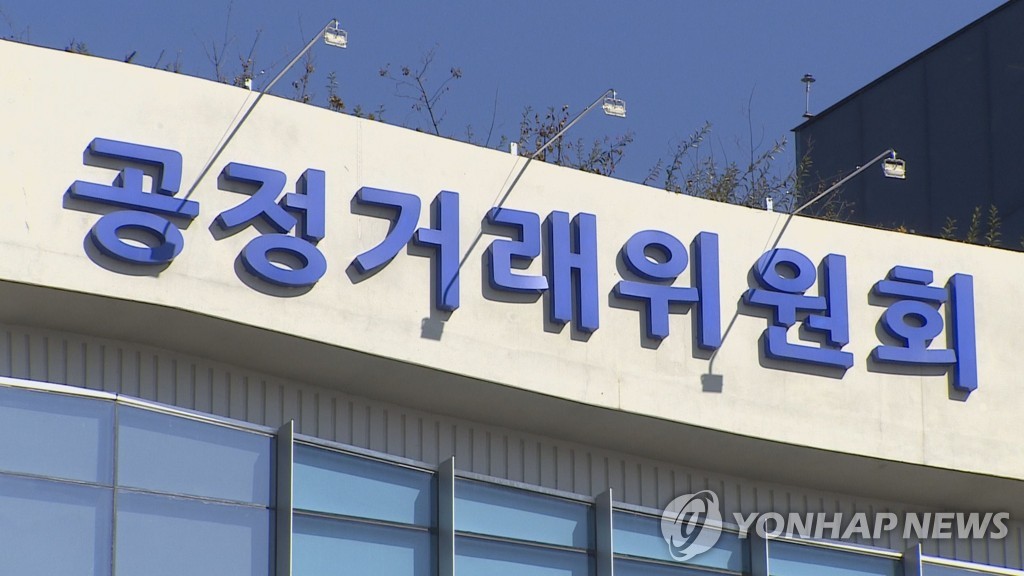
Under South Korea's fair advertising rules, false or deceptive advertising can result in corrective orders and surcharges imposed by the Fair Trade Commission. Whether fines will actually be levied in these cases has not been confirmed; the report frames the penalty question as open.
The outcome could set a precedent for how regulators treat the growing use of AI branding in consumer marketing, where the term is often deployed as a sales hook rather than a description of actual functionality.
Details such as the specific companies involved, the scale of the advertising, and any timeline for a regulatory decision were not established in the report. Consumers should treat AI-related marketing claims with caution until authorities issue formal findings.
The claim that "AI doctor guarantee" and "AI shampoo" advertisements were false advertising, with fines a possibility, is Mostly True.
Verdict: Mostly True