Defendant in semiconductor core component technology leak case loses "trade secret" defense
True
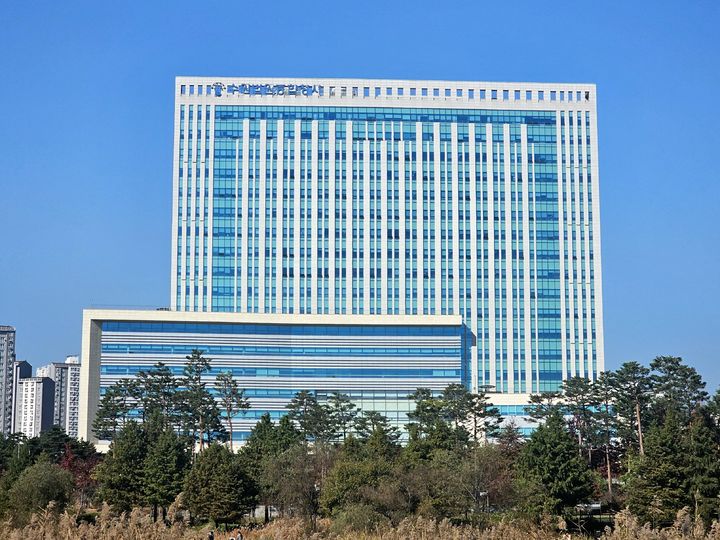
A man in his 50s accused of leaking semiconductor core component technology argued that the leaked information did not constitute a trade secret, but the argument failed to stand, with courts siding with the view that the technical data was protected.
"Not a trade secret" argument rejected
The defendant, a man in his 50s, faced charges of leaking core component technology used in semiconductor production. His central defense was that the leaked material was not an "official trade secret" and therefore could not form the basis of liability.
The court did not accept this position. The information in question was judged to meet the conditions of a protected trade secret, meaning the leak could be treated as unlawful disclosure of core industrial technology.
Protection of core technology upheld
The outcome reinforces that semiconductor core component technologies held by Korean companies qualify for legal protection, even when defendants argue the materials lacked secrecy or commercial value. Similar cases involving semiconductor and display technology leaks have drawn heightened attention from authorities including the National Intelligence Service, reflecting the strategic importance of such know-how.
The case shows that workers leaving semiconductor-related firms remain exposed to criminal liability when they take or transmit confidential process and component data, regardless of claims that the information was not formally designated as secret.
The claim that the "trade secret" defense failed in the technology leak case is True.
- https://www.mk.co.kr/news/society/12161305
- https://www.newsis.com/view/NISX20260923_0003801710
- https://www.yonhapnewstv.co.kr/news/AKR20260925100744nh1
- https://www.yna.co.kr/view/AKR20260922155100061
- https://www.hdnews.co.kr/news/articleView.html?idxno=358170
- https://www.fnnews.com/news/202609251000448779
- https://suwon.scourt.go.kr/main/new/Main.work
- https://img8.yna.co.kr/photo/cms/2026/09/22/57/PCM20260922000057990_P4.jpg
- https://img1.newsis.com/2025/05/29/NISI20250529_0001855791_web.jpg
- https://pimg.mk.co.kr/news/cms/202609/25/news-p.v1.20260925.0459108f560e422ab5864236a30d9302_R.jpeg

