AI · SEMICONDUCTOR · FACT CHECK
 SKD WIRE
Mostly True
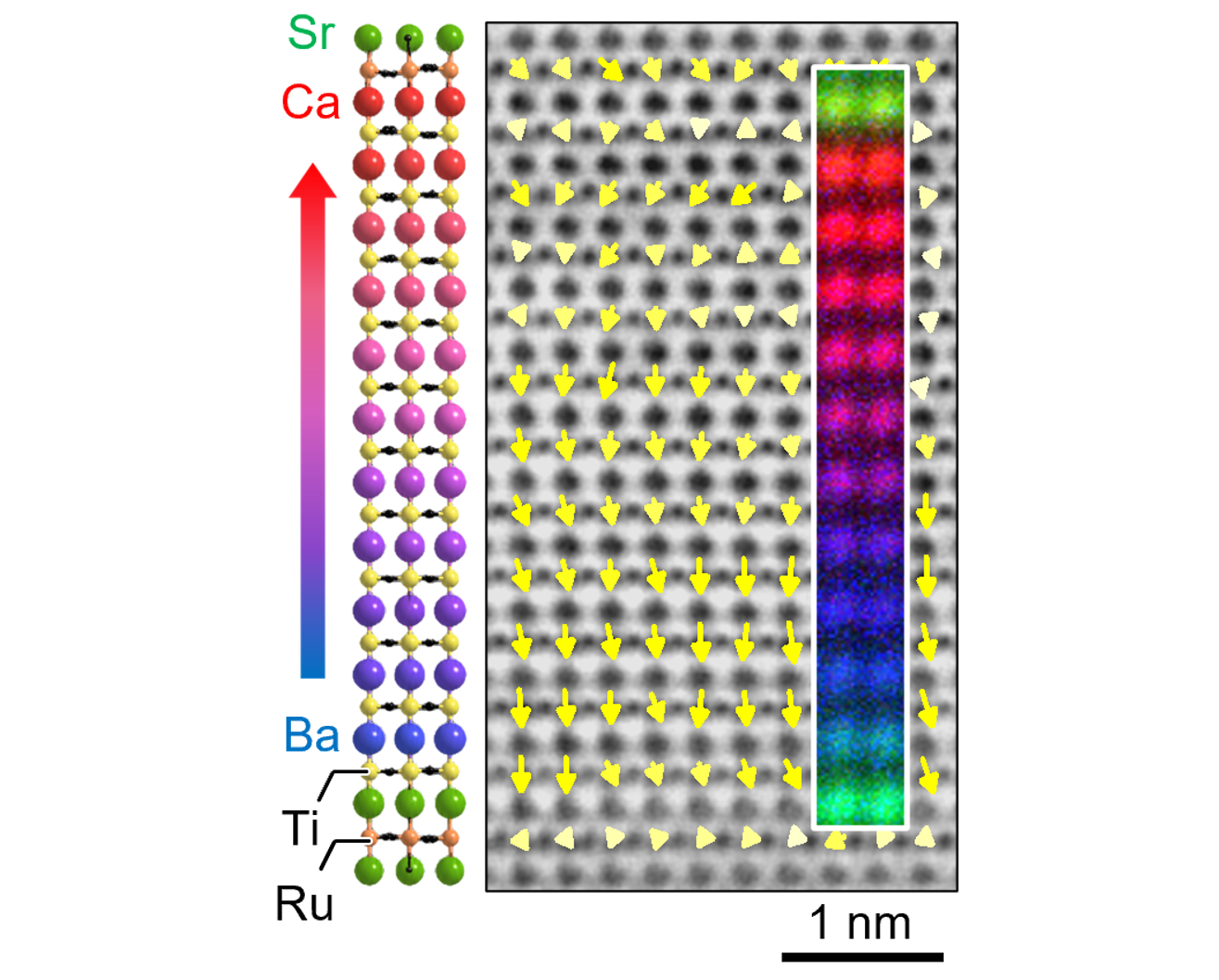
A materials science approach that stacks atoms with deliberate asymmetry — tilting them like a slope rather than aligning them evenly — is being presented as a way to add new physical properties to materials and establish the basis for a 'superconducting diode,' a component that could extend beyond conventional semiconductor technology, according to the original claim examined by our desk.
The claim centers on the idea that arranging atoms asymmetrically can endow a material with properties it would not otherwise have. In conventional semiconductor devices, functionality arises from engineered junctions and doping; the superconducting diode concept instead relies on structural asymmetry at the atomic level to produce direction-dependent behavior, such as current flowing more easily in one direction than the other.
The report reviewed in this assessment frames the tilted, asymmetric atomic arrangement as a foundation for next-generation devices that could outperform semiconductor-based electronics, particularly in applications where energy loss is a limiting factor.
Superconducting diodes are regarded as a potential building block for lossless electronics, since superconductors carry current without resistance. However, the field remains at an early research stage, and the report itself does not confirm that a commercially viable superconducting diode has been achieved. The claim is best read as describing the scientific groundwork — the material-design principle of atomic asymmetry — rather than a finished, deployable device.
No specific performance figures, research institution names, or timeline for practical implementation were established in the reviewed material, and the extent to which laboratory results will translate into industrial application remains unconfirmed.
The framing "beyond semiconductors" reflects expectations that superconducting components could one day complement or surpass semiconductor devices in certain domains. Korea's semiconductor industry — anchored by Samsung Electronics and SK hynix — has yet to announce any commercial engagement with superconducting diode technology, and the reviewed report does not tie the concept to any company's roadmap.
The claim's core assertion — that asymmetric atom stacking can add properties to materials and form the basis of a superconducting diode — is consistent with the described research direction, while its practical implications remain open.
The claim is, on the whole, an accurate description of the emerging superconducting diode concept and its material-science basis, with its commercial outlook still unproven — it is Mostly True.