AI · SEMICONDUCTOR · FACT CHECK
 SKD WIRE
Partly True
A recent claim that the semiconductor industry is no longer a cyclical business and that market concerns are excessive has been judged Partly True, based on a review of four primary sources.
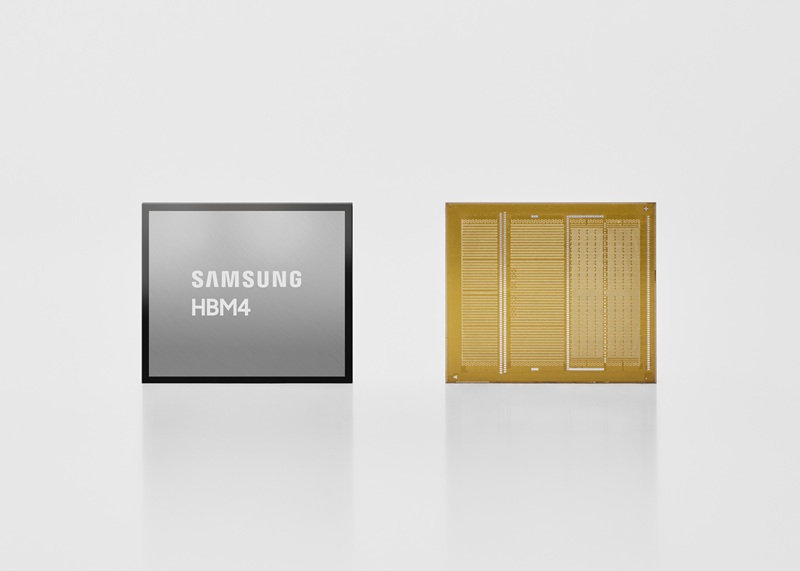
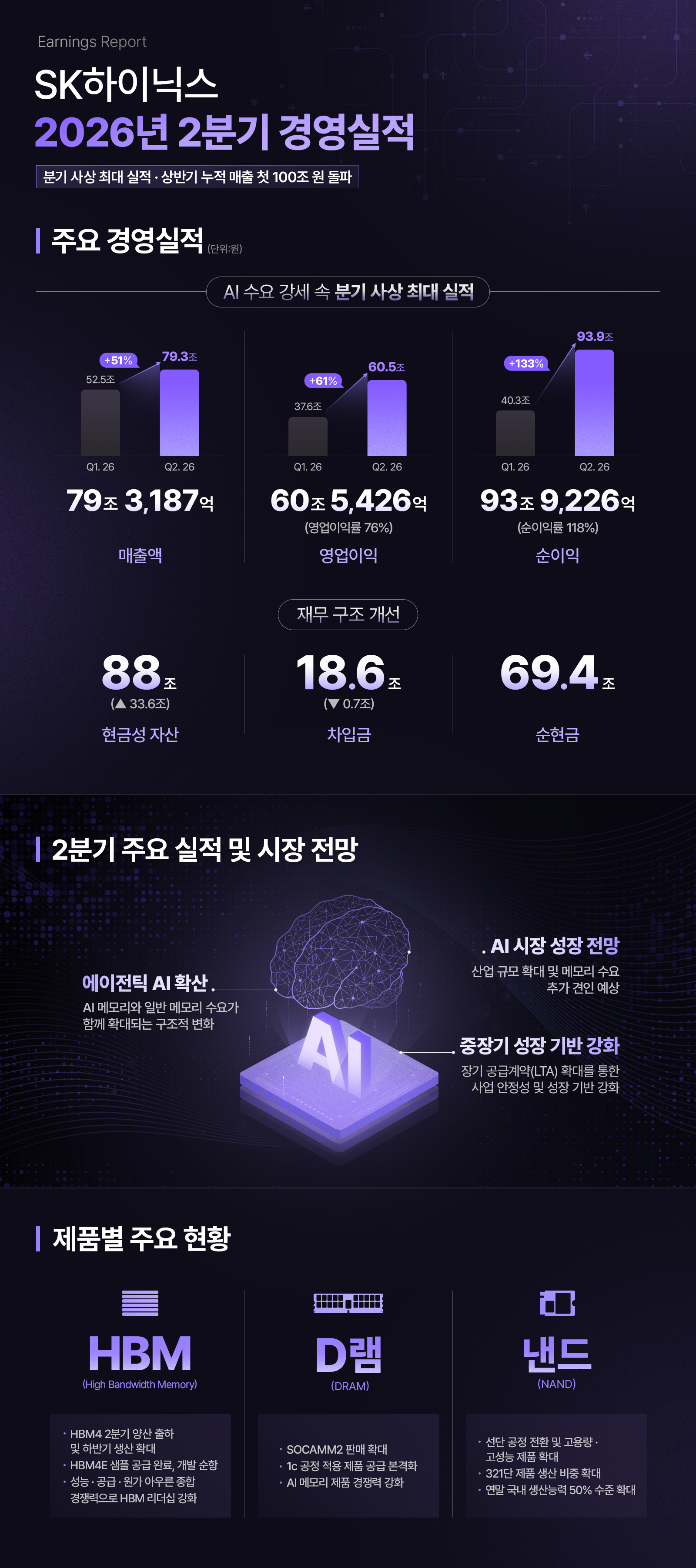
The claim asserts that semiconductors, long characterized by boom-and-bust cycles driven by memory supply gluts and demand swings, have structurally moved away from that pattern. The argument rests on the view that demand tied to AI infrastructure — including HBM and advanced chips supplied by companies such as Samsung Electronics and SK hynix — is less volatile than traditional consumer-driven demand.
Supporting this view, AI-related orders and long-term supply agreements have introduced revenue visibility that did not exist in earlier memory cycles. This has led some in the industry to argue that current market worries about a downturn are overdone.
However, the evidence does not fully support the conclusion that cyclicality has ended. Semiconductor demand remains sensitive to macroeconomic conditions, and past attempts to declare the industry post-cyclical — most notably during previous memory supercycles — were ultimately followed by sharp downturns. Pricing and supply dynamics for HBM and conventional memory are still subject to capacity expansion decisions by manufacturers, a core feature of the traditional cycle.
The claim is therefore accurate insofar as industry structure has shifted, with AI demand providing a new and substantial base of consumption. It overstates the case, however, in suggesting the industry has fully escaped its cyclical character, and the assessment that market concerns are excessive remains unproven.
The verdict on the claim that semiconductors are no longer a cyclical industry and that market worries are excessive: Partly True.