AI · SEMICONDUCTOR · FACT CHECK
 SKD WIRE
Mostly True
With the domestic economy heavily concentrated in the semiconductor industry, analysts warn that Korea must begin preparing for the next downturn even as the current memory boom continues. The assessment that the country's dependence on semiconductors is excessive is broadly supported by industry conditions, though the case is not airtight.
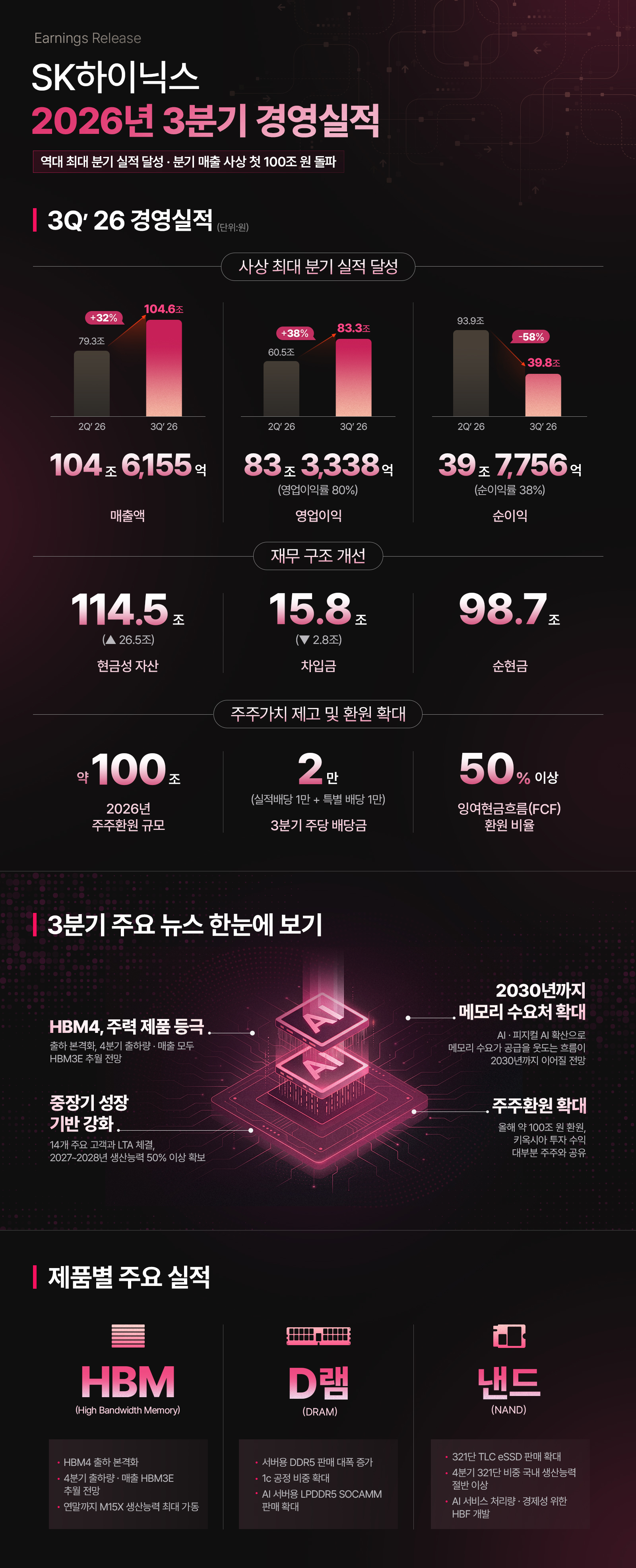
Korea's economy is deeply tied to the semiconductor sector, with Samsung Electronics and SK hynix among the country's largest exporters and employers. The current upcycle, driven largely by AI-related memory demand, has delivered strong results for these companies. However, industry observers caution that memory demand is historically cyclical, and that a country whose growth hinges on a single industry risks sharp shocks when the cycle turns. The argument is that structural preparation — diversification of demand bases and revenue streams — should start now, before the boom ends.
The picture is not entirely one-sided. Points that would strengthen demand visibility, including prospects tied to AI infrastructure buildout, also exist. Because such supporting factors are present, the claim is best characterized as largely accurate rather than fully established.
Korea's high semiconductor dependence and the need for post-boom preparation is, on balance, a claim that holds up — the verdict: Mostly True.