AI · SEMICONDUCTOR · FACT CHECK
 SKD WIRE
Mostly True
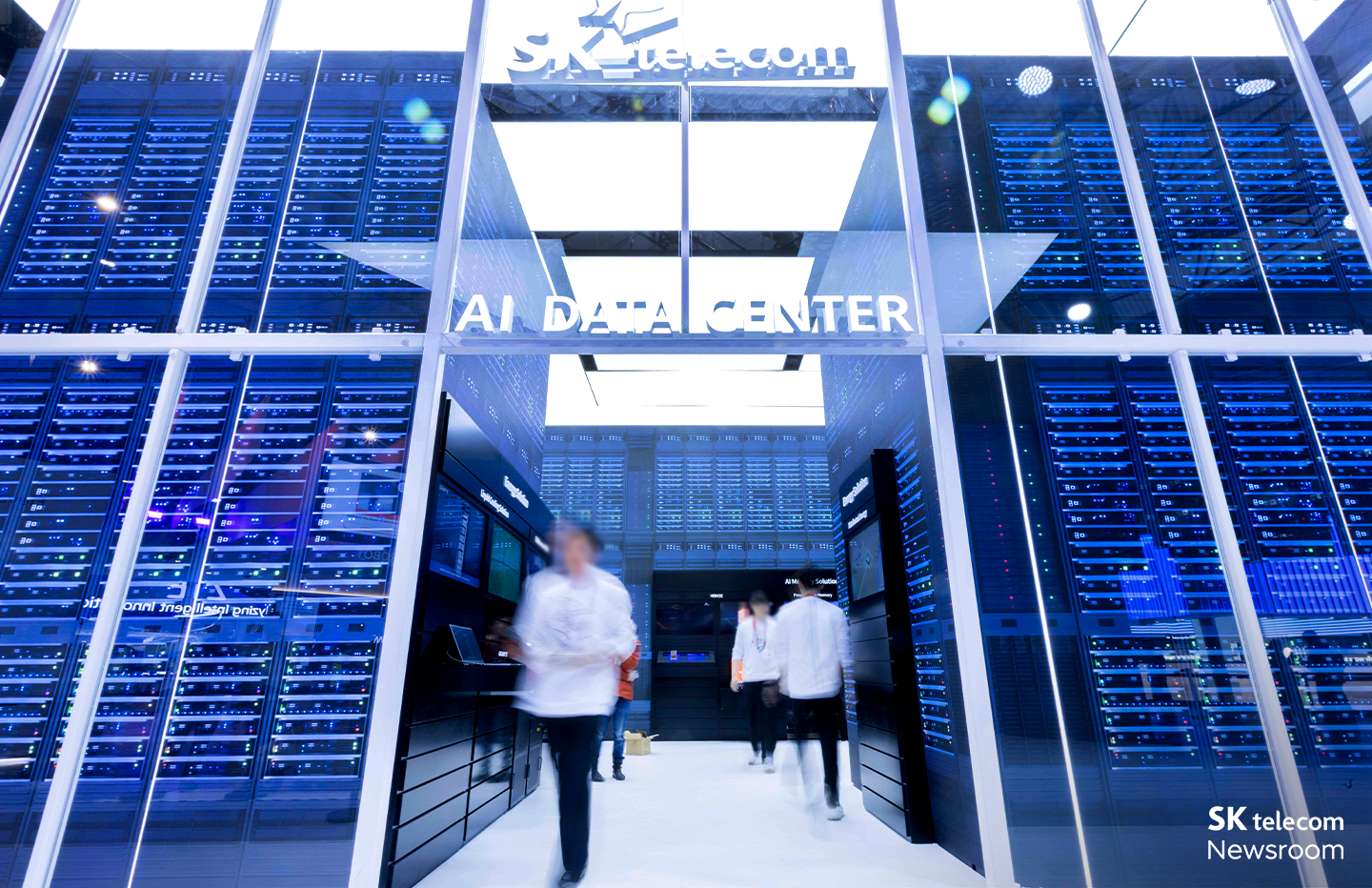
A newly discussed regulatory approach for AI data centers in Korea is drawing criticism, as operators face expectations to source electricity through the national power grid rather than securing their own supplies — a shift captured by the pointed question, "You told us to take power through the national grid?"
The emerging controversy concerns how AI data centers should obtain the large volumes of electricity needed to run GPU-intensive computing operations. Under the regulatory direction being debated, operators would be required to receive power through the national grid network, rather than arranging independent or dedicated power procurement.
Critics argue the requirement could constrain operators who had anticipated flexibility in how they secure electricity for large-scale AI infrastructure, at a time when demand for data center capacity is rising alongside the growth of LLM services and AI computing.
The exact scope of the regulation, which entities it would apply to, and whether it will be formally adopted remain unresolved. Details of how the national grid requirement would be implemented, and what exceptions might exist, are not yet settled.
The debate reflects a broader tension in Korea's AI infrastructure policy: balancing grid stability and national energy planning against the speed and scale of investment that AI data center operators say they need.
As the regulatory discussion continues, the claim at the heart of the controversy — that operators are being told to receive electricity through the national grid after expectations of greater flexibility — is largely consistent with the direction of the proposed rules, though key implementation details remain unconfirmed. On balance, the claim is Mostly True.
Verdict: Mostly True