AI Investment Surpasses Railroad Boom as $10 Trillion Wager on the US Economy
Mostly True
Investment in artificial intelligence has grown beyond the scale of the historical railroad boom, emerging as a roughly $10 trillion bet on the future of the United States economy, according to an assessment based on a review of 12 primary sources.
AI Spending Outpaces a Historical Benchmark
The railroad boom of the 19th century transformed the American economy, driving massive capital expenditure in infrastructure and spurring industrial growth. Current AI investment, the assessment finds, has surpassed that boom in scale, making it one of the largest capital commitments in US economic history.
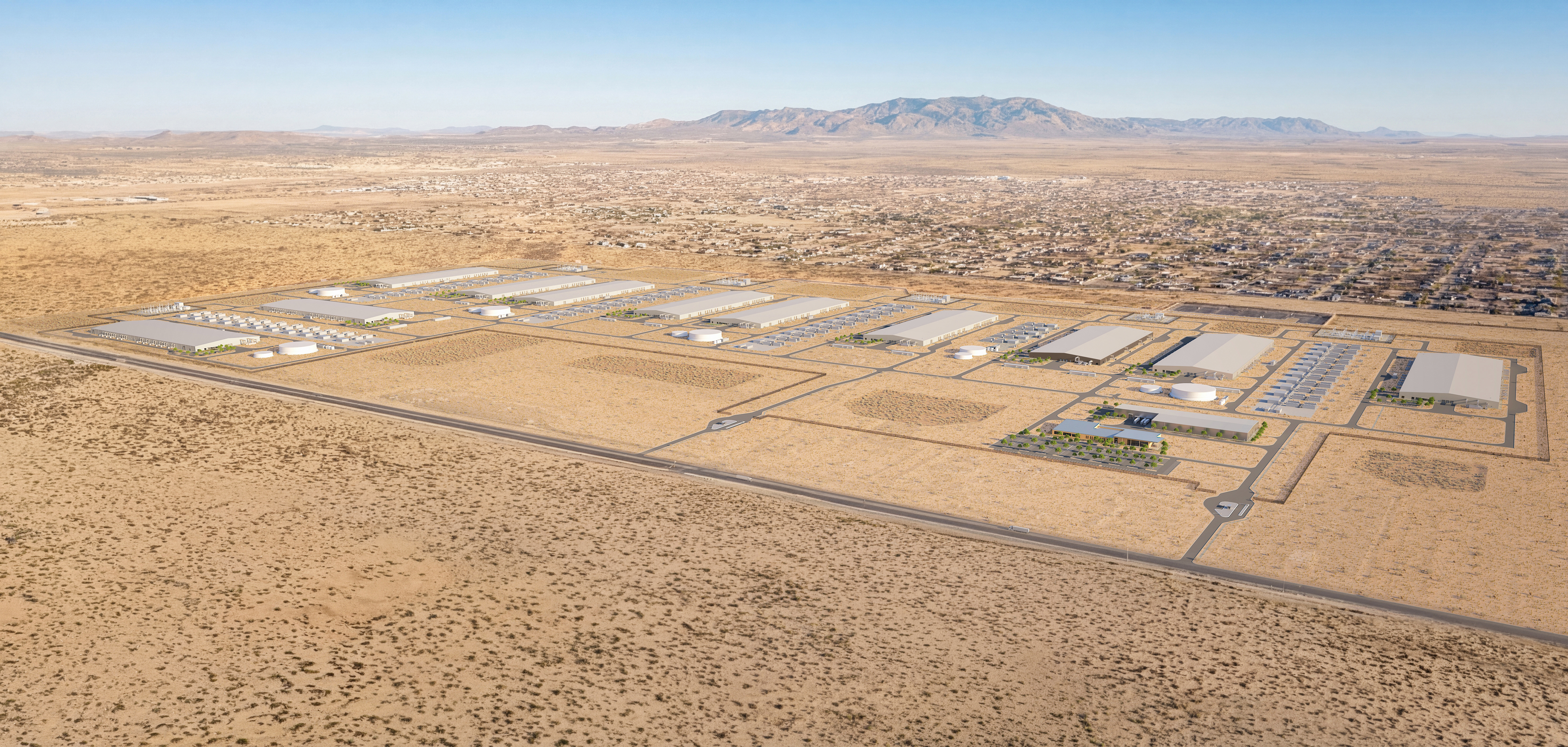
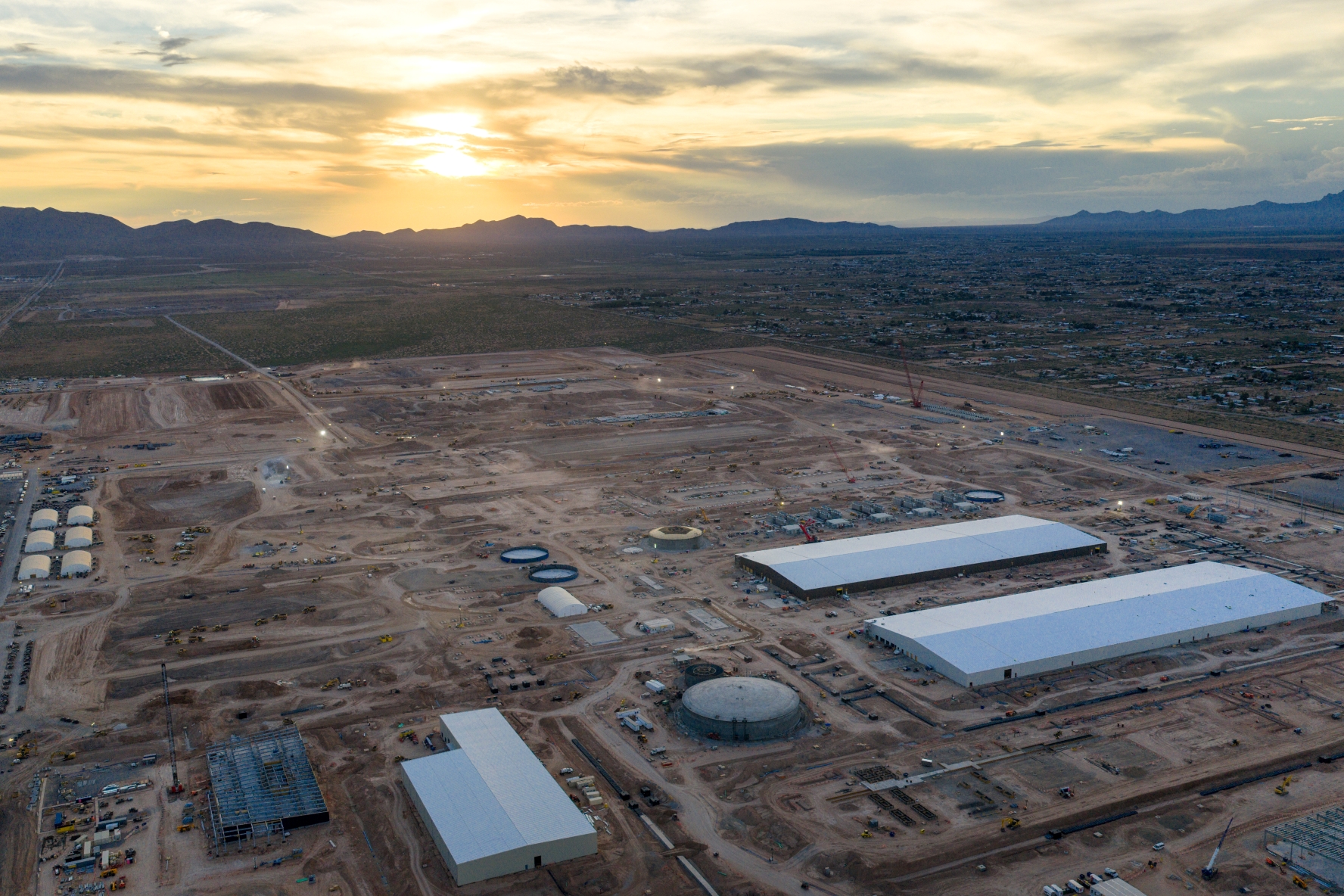
The total scale of the wager is estimated at around $10 trillion, reflecting spending across data centers, chips, power infrastructure and related buildout. The figure underscores how central AI has become to corporate investment strategies and to expectations for future productivity growth.
Stakes for the Broader Economy
The comparison to the railroad era carries weight beyond symbolism. Railroad investment reshaped transportation, commerce and regional development, while also producing periods of overbuilding and financial strain. Whether AI investment follows a similar arc — sustaining long-term growth or risking excess capacity — remains an open question.
For Korea's semiconductor and hardware industries, the scale of the US AI buildout has direct implications, given the country's role in supplying memory and advanced chips that underpin AI infrastructure. The assessment's conclusion that the claim is largely accurate rests on the reviewed source material, with the overall judgment falling as follows.
Verdict: Mostly True
- https://www.brookings.edu/articles/financing-the-ai-buildout/
- https://www.brookings.edu/wp-content/uploads/2026/09/4c_Van-Nieuwerburgh.pdf
- https://papers.ssrn.com/sol3/papers.cfm?abstract_id=6444363
- https://www.yna.co.kr/view/AKR20260925005100072
- https://www.census.gov/construction/c30/xlsx/privsatime.xlsx
- https://www.bis.org/publications/aer-2026/progress-peril
- https://finance.yahoo.com/economy/articles/ai-buildout-track-biggest-economic-134138247.html
- https://business.columbia.edu/sites/default/files-efs/imce-uploads/svannieuwerburgh/papers/FinancingAIBuildout_03192026.pdf
- https://www.reuters.com/business/finance/financing-historic-ai-buildout-raises-systemic-risks-us-researcher-says-2026-09-24/
- https://www.brookings.edu/wp-content/uploads/2026/08/FinancingAIBuildout_GettyImages-2290400836.jpg
- https://datacenters.atmeta.com/wp-content/uploads/2026/03/TXE_Aerial1-1-3.jpg
- https://about.fb.com/wp-content/uploads/2026/07/Partnership_Header-1.jpg