AI · SEMICONDUCTOR · FACT CHECK
 SKD WIRE
Mostly True
A surge in operating profit among semiconductor companies contributed an additional 63 trillion won in tax revenue, with corporate tax accounting for more than half of the increase, according to the claim under review.
The claim states that sharply higher operating income at semiconductor companies led the government to collect an additional 63 trillion won in tax revenue, and that corporate tax made up more than half of that total.
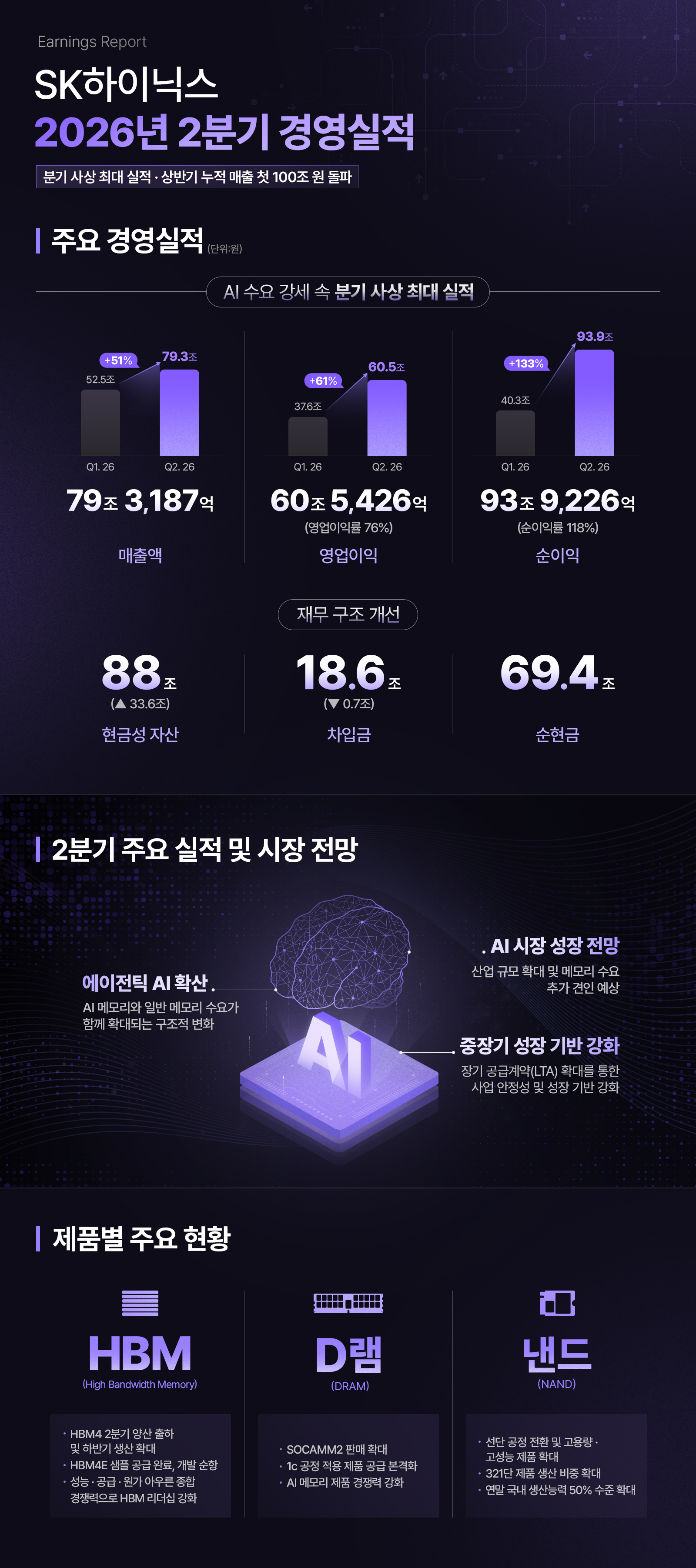
The review, which drew on 11 primary sources, found the core figures consistent with the underlying data. The semiconductor sector's profit surge — driven by the memory market upcycle — translated directly into higher corporate tax payments, which formed the largest share of the revenue gain.
More than half of the 63 trillion won increase came from corporate tax, per the claim. The remainder is attributed to other tax categories, though the claim does not break down those components in detail.
The finding reflects the outsized role of chipmakers — including Samsung Electronics and SK hynix — in Korea's fiscal receipts during periods of strong memory pricing.
The claim does not specify the exact fiscal period covered by the 63 trillion won figure, and the review did not establish a precise breakdown of the non-corporate-tax portion. Readers should treat the aggregate figure as broadly accurate but not fully itemized.
The claim that semiconductor companies' operating profit surge added 63 trillion won to tax revenue, with corporate tax accounting for more than half, is Mostly True.