AI · SEMICONDUCTOR · FACT CHECK
 SKD WIRE
Mostly True
SK hynix has stated that its HBM and DRAM production capacity is effectively spoken for through 2029, reflecting long-term agreements and demand discussions with customers that extend well beyond the current supply cycle. The company's outlook, delivered in connection with its quarterly earnings communications, is a forward-looking corporate forecast rather than a statement of signed supply for every unit of output.
The claim traces back to comments by SK hynix indicating that demand for its high-bandwidth memory (HBM) and conventional DRAM is expected to cover the company's production capacity through 2029. The original phrasing carried the qualifier "in effect" (사실상), a nuance that is sometimes dropped in shorter summaries of the statement.
According to the company's positioning, the figure includes demand under negotiation ahead of formal contracts, meaning it represents a business outlook that combines secured agreements with anticipated customer commitments. This framing matters: the company is not saying every unit through 2029 is bound by finalized purchase agreements, but that visibility into demand — signed and in discussion — supports the expectation that supply will be absorbed.
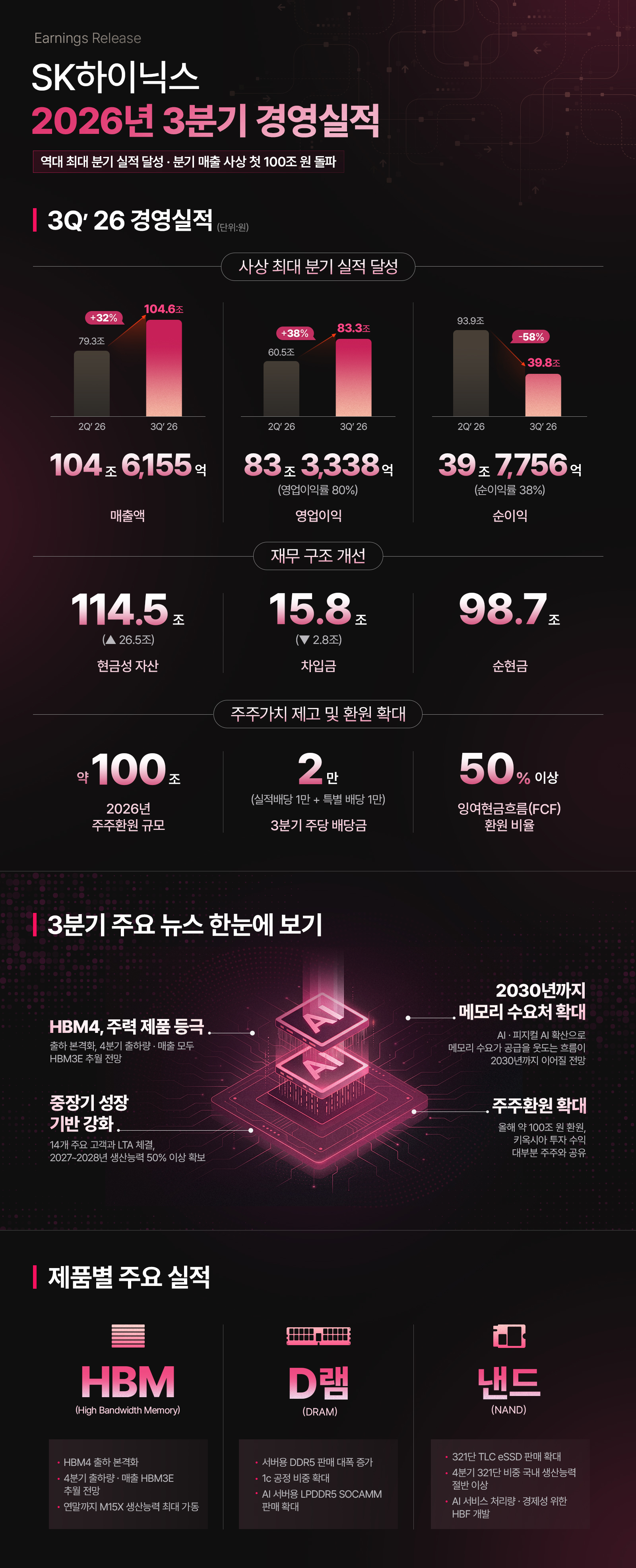
The outlook was presented as part of SK hynix's business results communications, which included references to the strength of AI-driven demand for HBM alongside broader DRAM market conditions. The company's earnings materials and conference call commentary form the basis for the capacity outlook.
As with any multi-year demand forecast, the figure remains subject to change: customer commitment discussions can convert to contracts or fall through, and end-market conditions for AI infrastructure and conventional memory can shift over the period in question.
Verdict: Mostly True. The statement is broadly accurate as a company outlook — SK hynix does expect HBM and DRAM demand to effectively cover its capacity through 2029 — provided the "in effect" qualifier is retained and the figure is understood to include pre-contract demand discussions rather than finalized agreements alone.