AI · SEMICONDUCTOR · FACT CHECK
 SKD WIRE
True
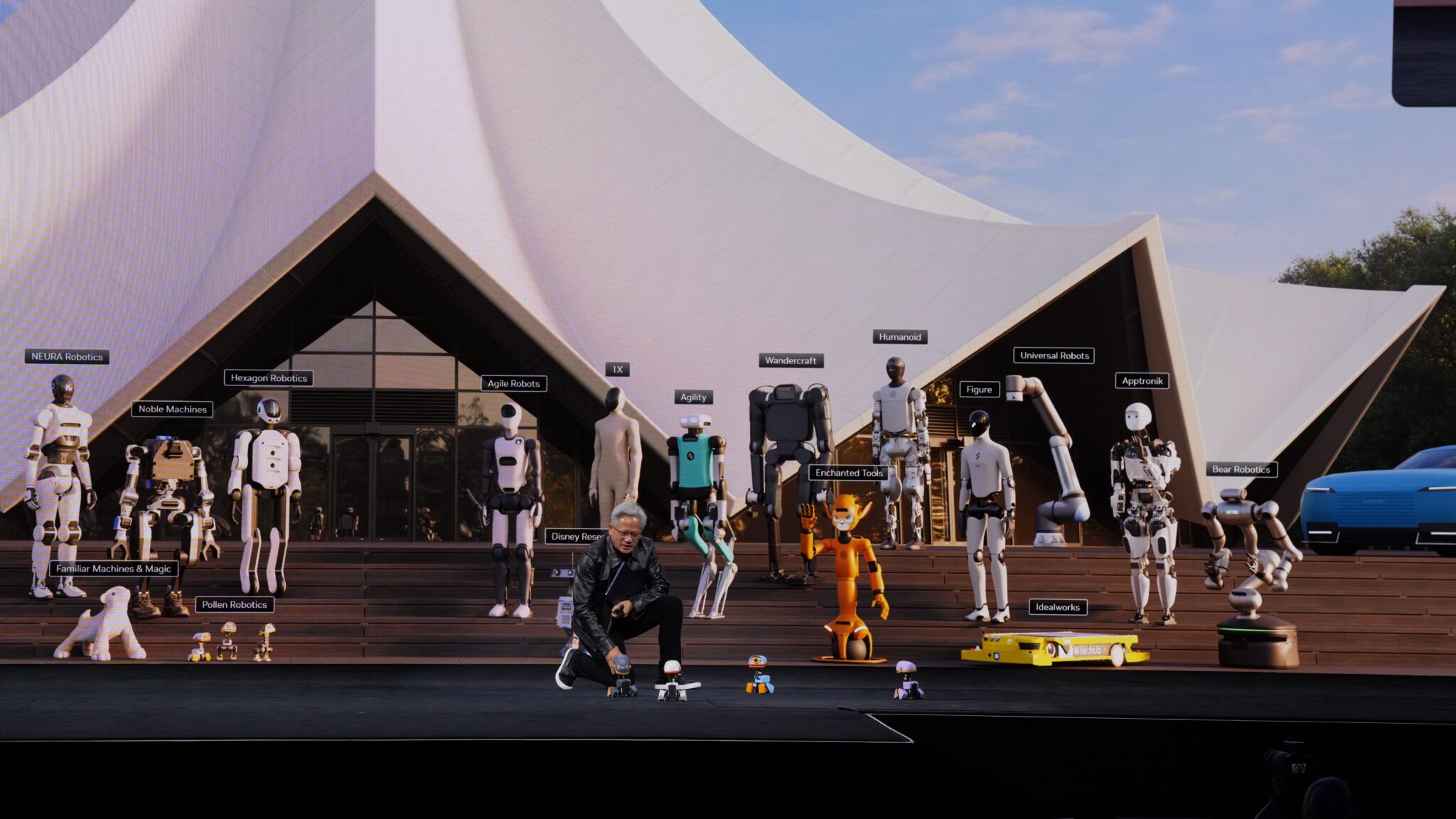
NVIDIA CEO Jensen Huang has stated that there will be no memory oversupply in 2029, directly rebutting concerns that the AI-driven semiconductor boom is a temporary supercycle destined to end in a glut.
Huang addressed the growing debate over whether the current surge in demand for memory and semiconductors — driven largely by AI infrastructure buildout — will lead to an eventual oversupply. His position: a memory oversupply will not materialize by 2029.
The remarks come amid ongoing controversy over the so-called semiconductor supercycle, with skeptics warning that aggressive capacity expansion by memory makers could result in a supply glut once AI investment cools. Huang's statement challenges that narrative directly.
The debate carries significant weight for Korea's semiconductor industry, as Samsung and SK hynix are central players in global memory supply. Whether demand driven by AI workloads — including the needs of large language model (LLM) training and GPU-based data centers — can absorb expanded capacity is a key question for their investment planning.
The claim rests on Huang's public statement at a keynote event, and the outlook for memory supply and demand in 2029 remains a matter of forecast rather than fact. Market conditions three years out depend on AI adoption rates, capacity decisions by memory suppliers, and broader economic conditions that cannot be known today.
The claim that Jensen Huang said there will be no memory oversupply in 2029, in rebuttal to the semiconductor supercycle controversy, is true.
Verdict: True