Korea's Targeted Semiconductor SMEs Still Guard Chip Blueprints With Little More Than Passwords
Mostly True
Small and mid-sized Korean semiconductor firms — prime targets for technology leakage — are protecting critical design documents and blueprints with basic measures such as password protection, according to an industry assessment examining file security practices across the sector. While the central claim about weak protection of design data holds, some of the more alarming specific details circulating in the report remain unverified.
SMEs Sit at the Center of Technology Leakage Risk
Korea's small and mid-sized semiconductor and fabless companies hold the kinds of technical assets most sought after in industrial espionage: process know-how, circuit designs, and documentation tied to national strategic technologies. Yet these firms commonly rely on simple password-protected files rather than dedicated data security controls to safeguard such blueprints, leaving sensitive design data exposed if credentials are compromised.
More Dramatic Claims Remain Unverified
The broader assessment notes that while the core problem — inadequate protection of SME design documents — stands, individual anecdotes presented in the most sensational terms could not be independently validated. Specific incidents and details beyond the general pattern should therefore be treated with caution until confirmed by regulators or the companies involved.
Policy Attention on Material, Parts and Equipment Firms
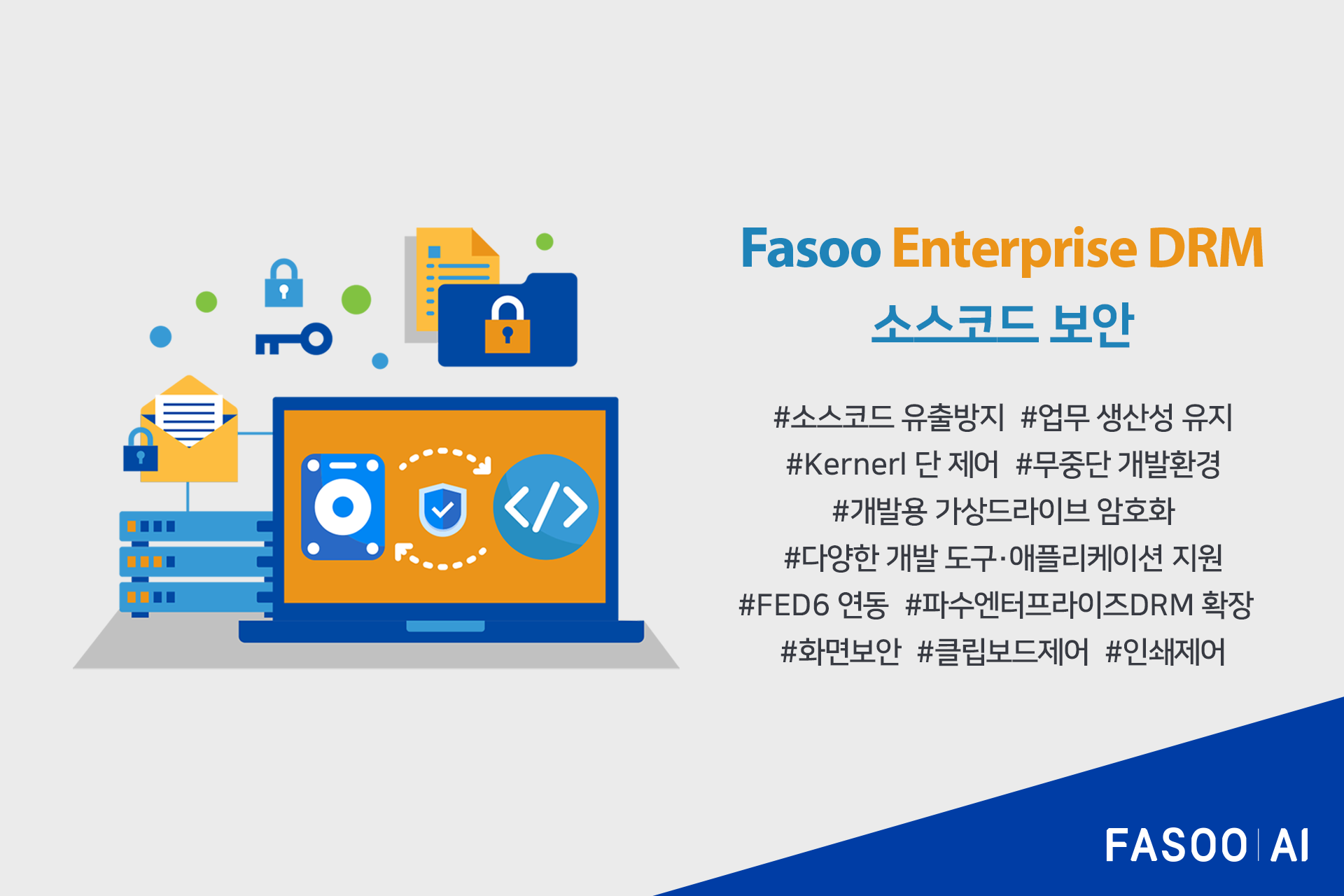
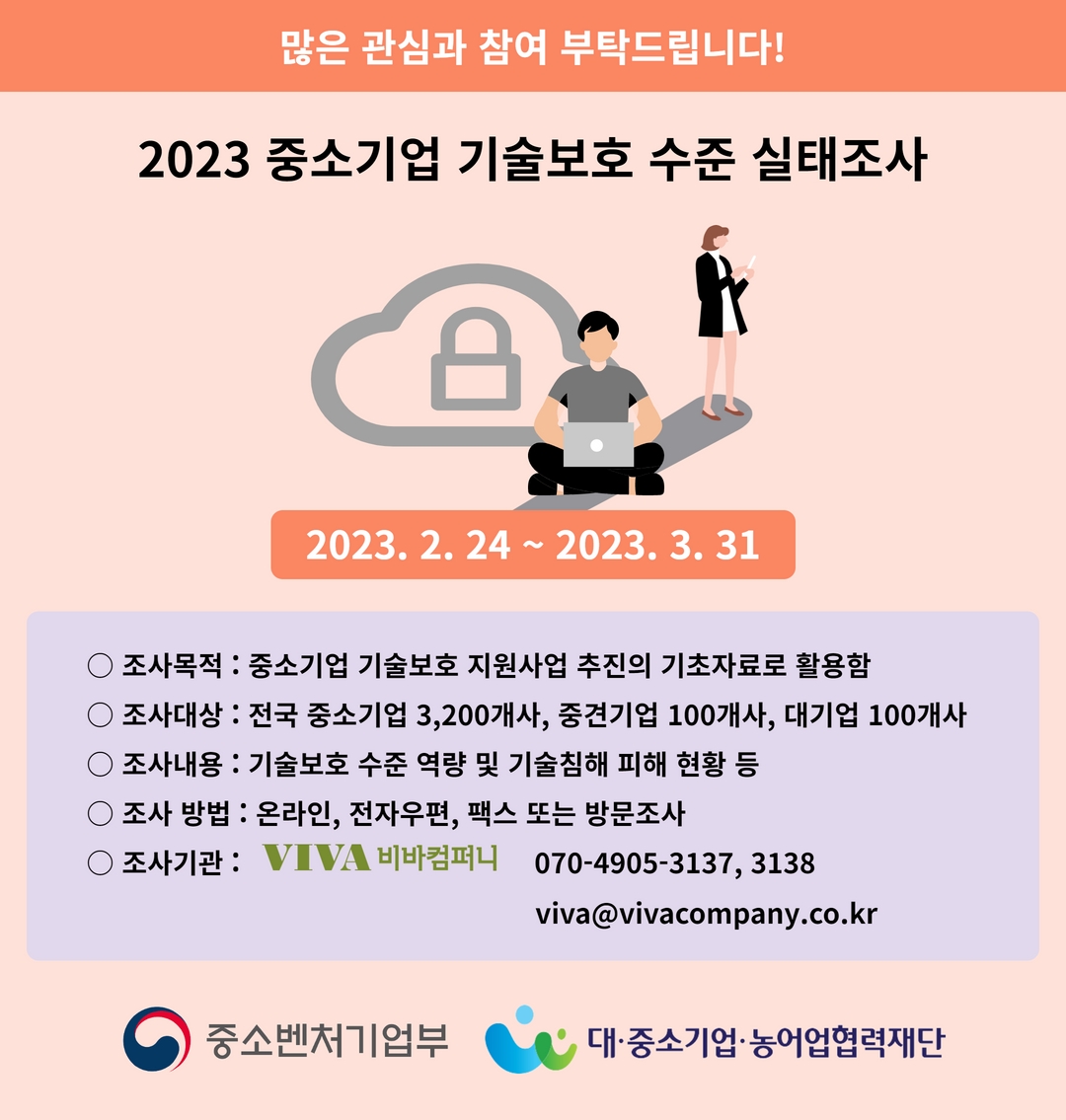
The findings touch a nerve in Korean industrial policy, where 'sobjang' (소재·부품·장비 — materials, parts and equipment) companies have been designated as strategic assets requiring protection. Government-linked materials, including documentation from the Ministry of SMEs and Startups, point to file-based security tools — from enterprise digital rights management to AI-assisted document tracking — as the standard response for firms handling sensitive design data.
Password protection alone offers little defense once a file leaves a company's control, and the assessment concludes that for firms sitting squarely in the crosshairs of semiconductor technology leakage, the overall picture is Mostly True.
- https://www.thelec.kr/news/articleView.html?idxno=62729
- https://www.yna.co.kr/view/AKR20260923194000003
- https://www.etoday.co.kr/news/view/2629460
- https://www.hankyung.com/article/2025090436291
- https://kidd.co.kr/news/243977
- https://www.motir.go.kr/kor/article/ATCL3f49a5a8c/171510/view
- https://web.archive.org/web/20260928092630/https://www.motir.go.kr/kor/article/ATCL3f49a5a8c/171510/view
- https://www.hellodd.com/news/articleView.html?idxno=66347
- https://www.mss.go.kr/site/smba/ex/bbs/View.do?cbIdx=86&bcIdx=1056275
- https://www.fasoo.ai/wp-content/uploads/2026/09/%ED%8C%8C%EC%88%98AI_%EC%9D%B4%EB%AF%B8%EC%A7%80-CSK-2026_%ED%98%84%EC%9E%A5-%EC%82%AC%EC%A7%84_%EB%B6%80%EC%8A%A4.jpg
- https://www.fasoo.ai/wp-content/uploads/2026/09/%ED%8C%8C%EC%88%98-AI_%EC%9D%B4%EB%AF%B8%EC%A7%80-DRM-%EC%86%8C%EC%8A%A4%EC%BD%94%EB%93%9C%EB%B3%B4%EC%95%88.png
- https://www.mss.go.kr/common/board/Download.do?bcIdx=1039800&cbIdx=81&streFileNm=25ac2723-f347-4691-924b-5ada8614ac1c.jpg