Mostly True
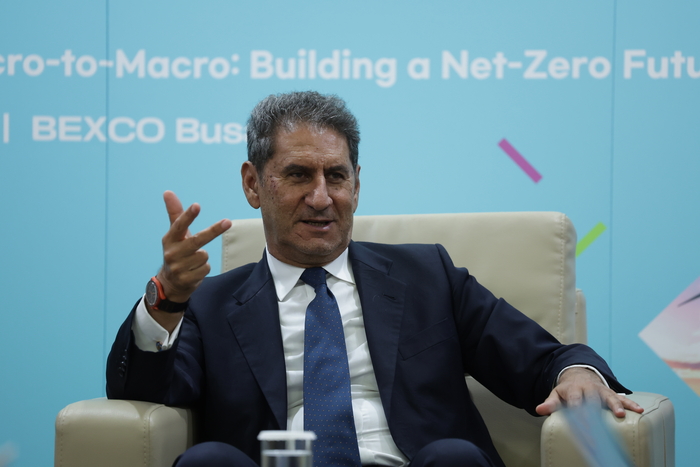
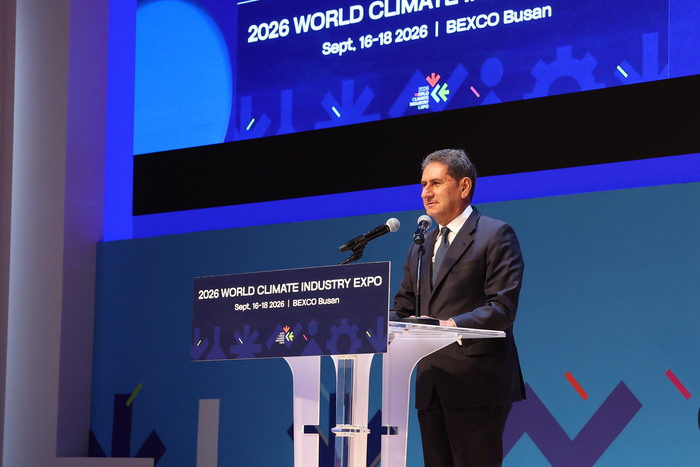
The director-general of the International Renewable Energy Agency (IRENA) has said renewable energy is the fastest available solution to the surging electricity demands of AI and the semiconductor industry, and assessed that Korean technology is sufficient for the task. The remark circulated in Korea in condensed headline form, carried by tech outlet etnews in a report published September 17, 2026. A fact-check against the original statement found the headline faithful in substance — with one notable omission involving nuclear power.
The claim under review centers on the IRENA chief's position that renewables represent the quickest path to powering AI infrastructure and semiconductor production, paired with a positive assessment of Korean technological capability. Verification drew on nine primary sources. The director-general's original LinkedIn post proved readable in full through its public preview description despite a login wall, allowing direct quotation of the remarks. A Naver news API query could not be executed because authentication credentials were not configured; substitute searches were completed through DuckDuckGo.
The headline condensed and selectively excerpted the original statement, cutting a qualifier about nuclear power. That omission is not trivial in a country where the energy mix for data centers and fabs is an active policy debate. Still, the review confirmed that the shortened version accurately conveyed the thrust of the remarks: renewables as the fastest solution, and Korean technology deemed adequate. Dropping the nuclear aside did not alter the meaning of the statement itself.
Any international judgment on how quickly Korea can electrify its AI buildout and chip manufacturing draws close attention, given the stakes for the country's semiconductor industry and data center operators. The IRENA director-general's assessment that Korean technology is sufficient amounts to a vote of confidence in domestic capability on precisely the question where speed matters most. For readers weighing the headline against the original remarks, the claim is Mostly True.