UN Autonomous Weapons Regulation Effort Weakens After US and Russia Pull Out of 'AI Safeguards' Talks
Mostly True
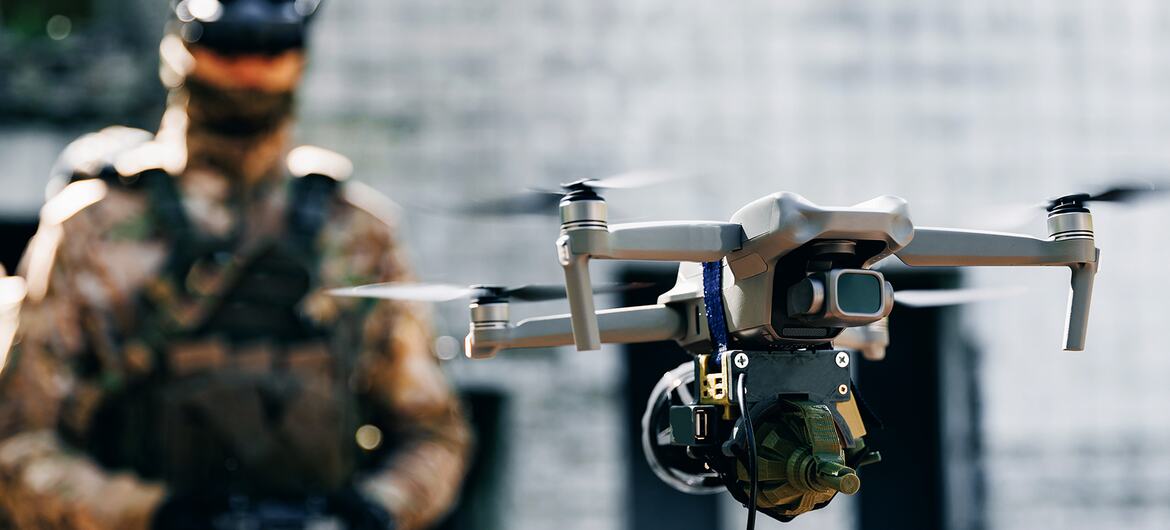
An international push to establish safeguards for autonomous weapons — often called "killer robots" — has suffered a setback, with the United States and Russia driving negotiations in a direction that critics say represents a retreat from meaningful regulation of lethal AI systems at the United Nations.
Talks Shift Away From Binding Rules
Discussions at the UN on regulating lethal autonomous weapons systems have moved away from earlier efforts to create stronger safeguards, according to the reporting behind the claim. The United States and Russia have been identified as leading forces behind the diluted outcome, prompting criticism that the process has regressed rather than advanced.
The concern centers on the weakening of what had been framed as an "AI weapons safeguard" — protections intended to keep human control over the use of lethal force as autonomous and AI-driven weapons technology matures.
'Regression' Debate Emerges
Observers have characterized the shift as a retreat (후퇴) in UN efforts on autonomous weapons regulation, arguing that the outcome leaves fewer constraints than previous proposals envisioned. The debate reflects broader tension among member states over whether AI-enabled weapons should be governed by binding international rules or by voluntary, non-binding guidelines.
Details such as the exact terms of the revised framework and the timeline for future negotiations remain subject to ongoing discussion, and the full scope of the change has not been fully spelled out in available reporting.
The claim that US- and Russia-led positions contributed to a weakened regulatory push at the UN, sparking a "regression" controversy over autonomous weapons rules, is judged to be Mostly True.
- https://www.segye.com/newsView/20260927505968
- https://english.aawsat.com/world/5314962-states-reach-agreement-autonomous-weapons-talks-geneva
- https://www.hrw.org/news/2026/09/07/un-talks-on-killer-robots-ends-with-calls-for-negotiations-growing
- https://docs-library.unoda.org/Convention_on_Certain_Conventional_Weapons_-Group_of_Governmental_Experts_on_Lethal_Autonomous_Weapons_Systems_(2026
- https://www.hrw.org/news/2026/09/04/convention-on-conventional-weapons-group-of-governmental-experts-on-lethal
- https://www.stopkillerrobots.org/wp-content/uploads/2026/09/SKR-statement-New-Draft-Report-CCW-GGE-LAWS-delivered-3-September.pdf
- https://www.thestar.com.my/news/world/2026/09/04/opposition-by-us-and-russia-raises-doubts-over-autonomous-weapons-talks-outcome-diplomats-say
- https://www.yahoo.com/news/politics/articles/us-russia-strip-safeguards-un-142645875.html
- https://www.armscontrol.org/act/2026-07/news/us-senate-panel-approves-ai-autonomous-weapons-rules
- https://www.reuters.com/world/states-reach-agreement-autonomous-weapons-talks-geneva-2026-09-05/
- https://media.un.org/unifeed/en/asset/d361/d3619676
- https://www.usnews.com/