Mostly True
A widely circulated Korean-language report claims the government is pouring 3.1 trillion won into physical AI while asking whether domestic firms — long criticized as "assignment zombies" that subsist on state-commissioned R&D tasks — can evolve into businesses that actually earn money. A review of 12 primary sources supports the scale of the spending and finds the underlying concern well grounded in Korean industrial policy, while the question of commercial success remains an open one.
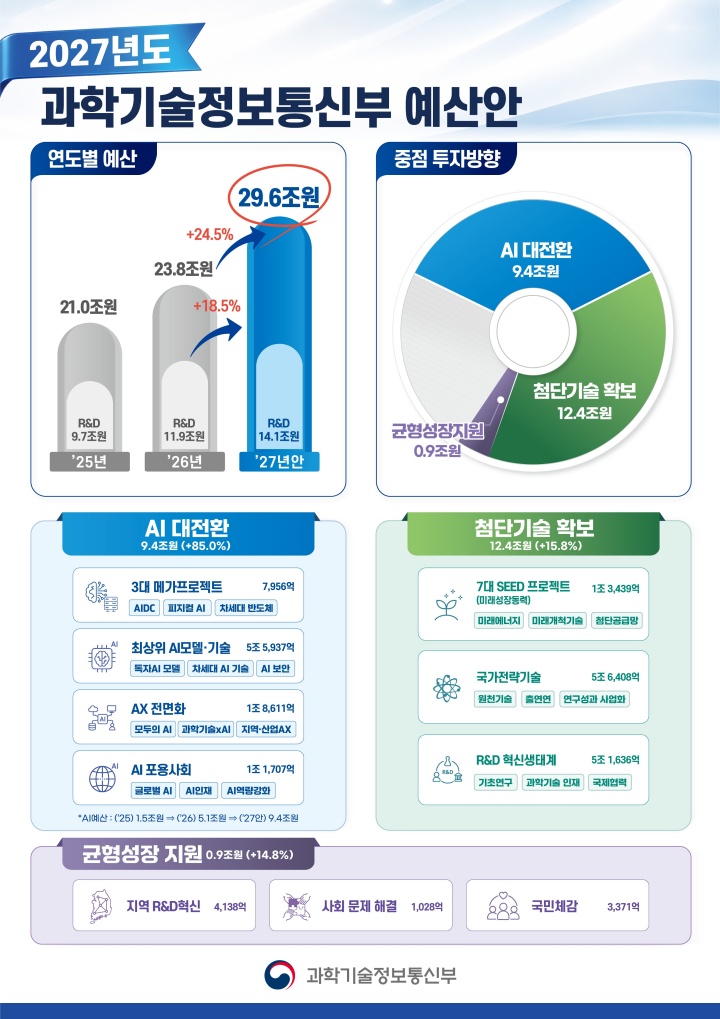
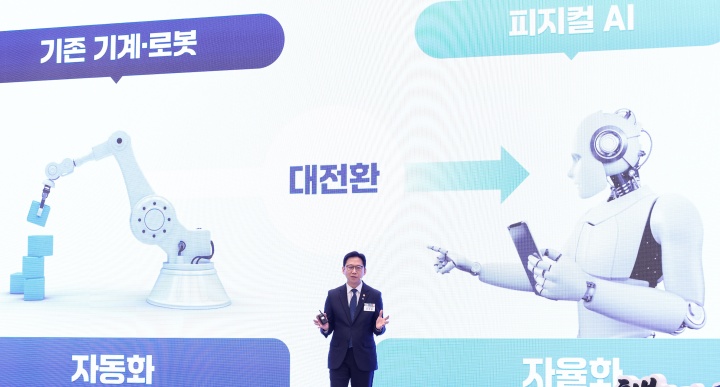
The core number checks out. Physical AI — artificial intelligence embedded in robots, autonomous machines, factory equipment and other hardware that operates in the real world — has become a budget priority, with 3.1 trillion won committed to the field. The bet leans on South Korea's structural strengths: a deep manufacturing base, an established robotics industry, and a domestic semiconductor sector capable of supplying the compute that machines which both think and move will demand.
"Assignment zombie" is Korean policy shorthand for companies that survive by winning government-funded R&D assignments — completing the milestones, filing the reports, collecting the subsidy, and then chasing the next grant rather than the market. Critics within policy circles and industry have long argued that this cycle produces paperwork instead of products, and that it crowds out firms organized around commercialization. The claim's framing taps directly into that history: without hard requirements to convert public research spending into sellable technology, the same grant-optimized companies risk absorbing the new funds by default.
Whether "money-making companies" emerge is a question about the future, not a fact that can be confirmed today. The meaningful tests will be commercial ones: revenue generated from products and exports rather than public assignments, private capital following the state's 3.1 trillion won into the sector, and technology moving from demonstration projects to paying customers. Those outcomes will take years to materialize and cannot be judged from the current budget record.
Weighing a confirmed 3.1 trillion won commitment and a well-documented structural concern against a commercial outcome that cannot yet be known, the claim is Mostly True.