AI · SEMICONDUCTOR · FACT CHECK
 SKD WIRE
True
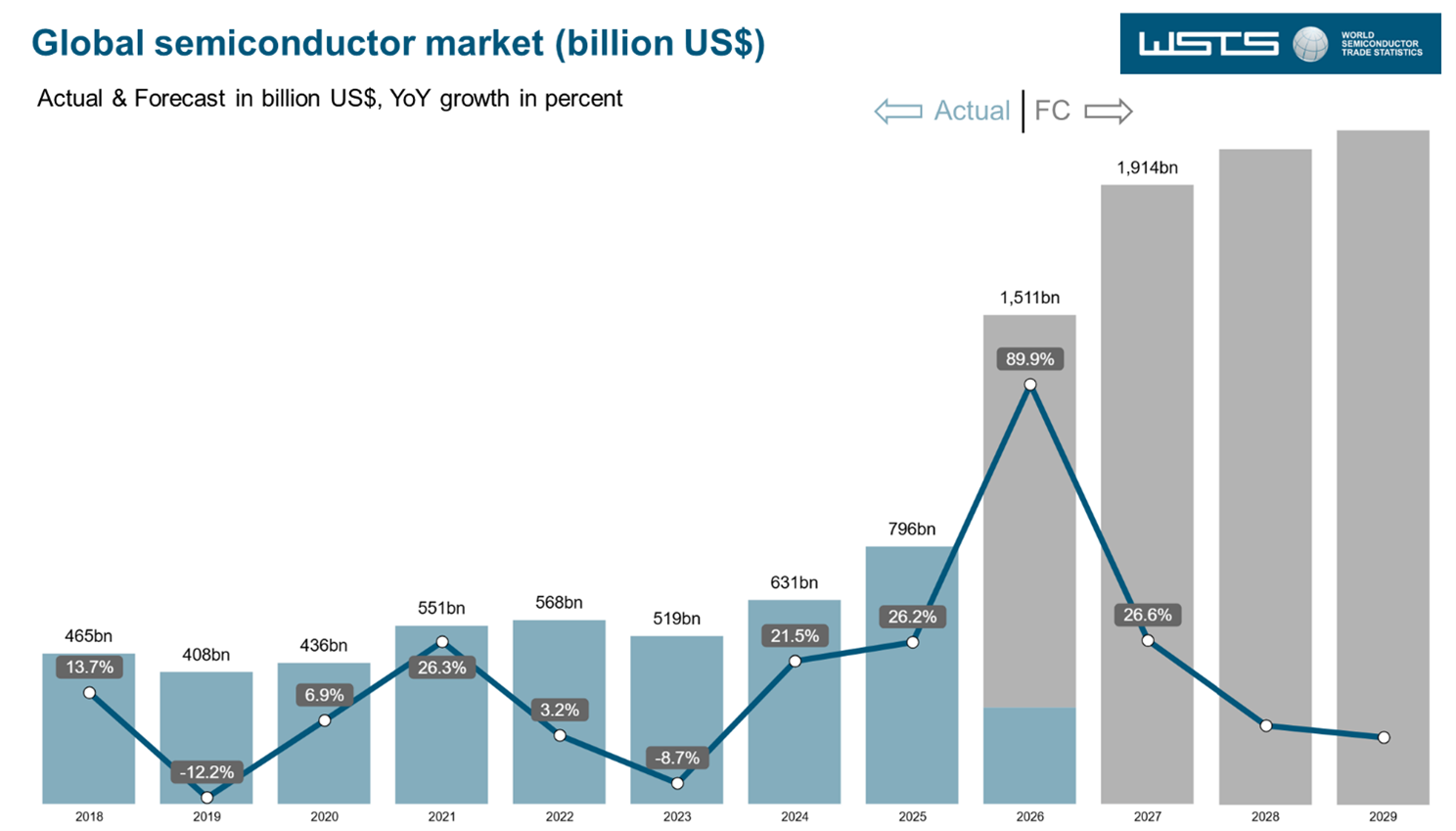
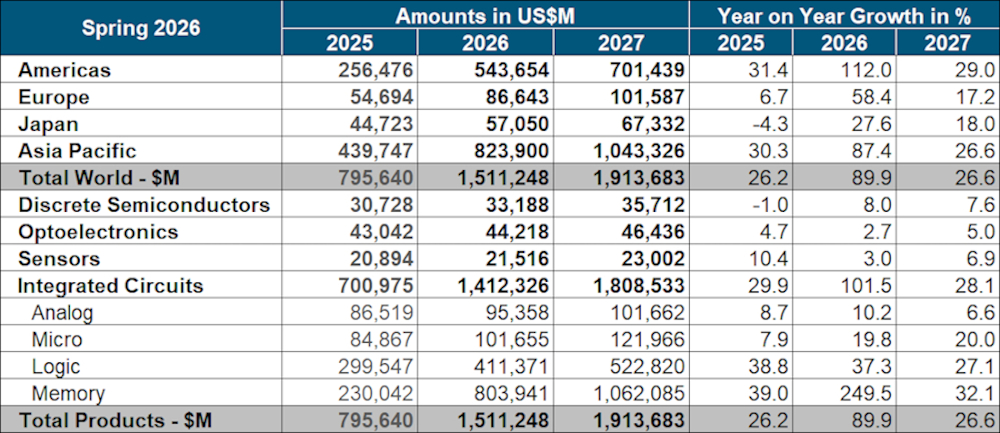
The semiconductor industry's balance of power is shifting, with memory chips expanding to roughly half of the overall market as demand for AI infrastructure drives an unprecedented boom in high-bandwidth memory and related products, according to the verdict reached in this fact-check.
The rise of large language models (LLM) has turned memory — historically a cyclical, lower-margin segment of the chip industry — into a central pillar of the AI era. Memory suppliers such as Samsung Electronics and SK hynix have seen their strategic weight grow as AI accelerators require vast amounts of high-bandwidth memory alongside GPUs.
The shift means memory now accounts for about half of the semiconductor market, a structural change from the historical pattern in which logic chips and foundry services dominated industry revenue.
Korea's semiconductor sector, anchored by Samsung Electronics and SK hynix, sits squarely in the middle of this transition. Both companies are major suppliers of memory for AI data centers, positioning them to benefit directly from the market's redistribution.
The broader consequence is a changed competitive landscape: pricing power and investment priorities across the industry are increasingly set by memory demand tied to AI buildouts rather than by traditional compute segments alone.
The claim that the AI-era shift in the semiconductor landscape is seeing memory swallow half the market holds up as True.
Verdict: True