AI · SEMICONDUCTOR · FACT CHECK
 SKD WIRE
Mostly True
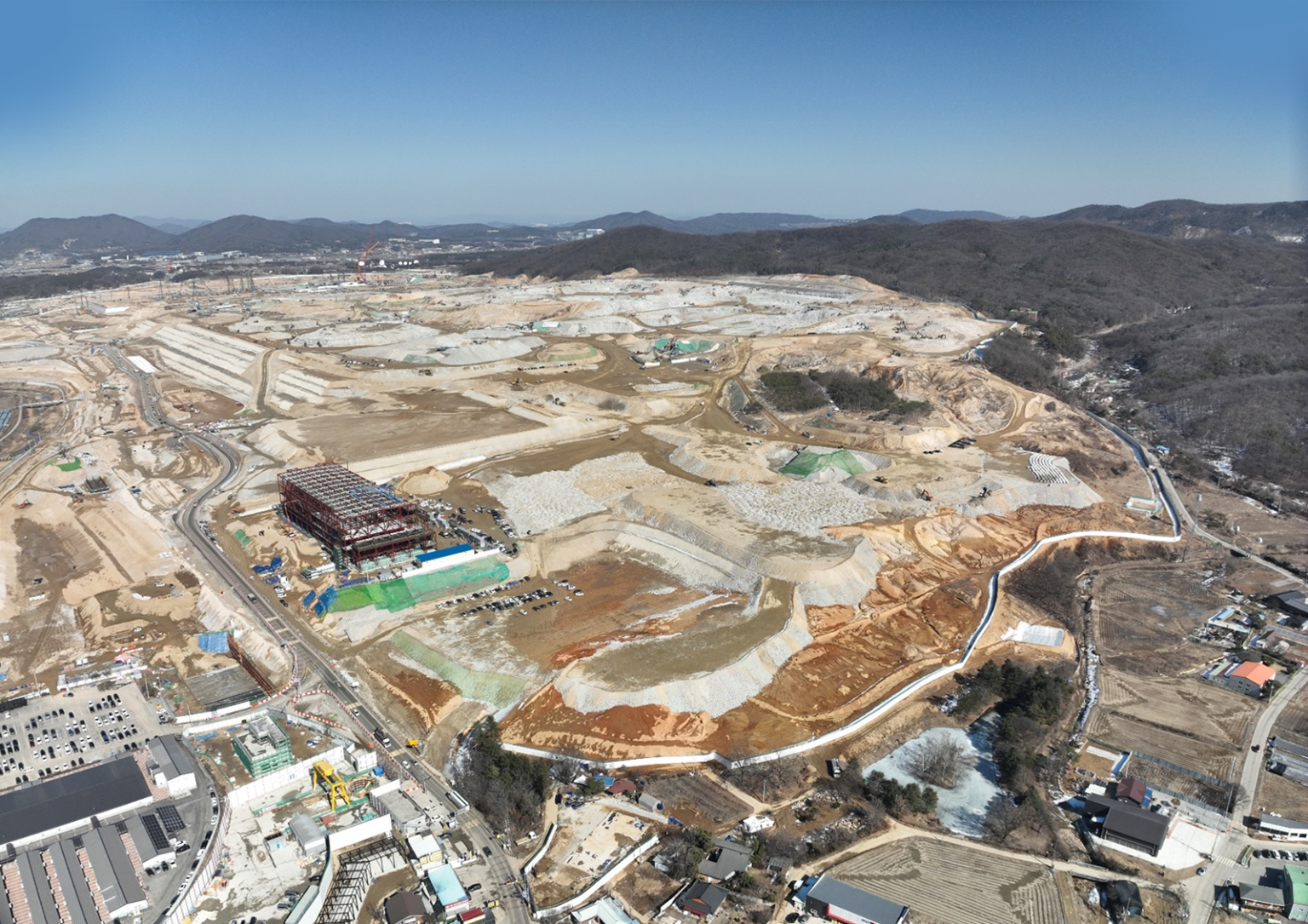
The Yongin semiconductor cluster, a major chip manufacturing hub under development in South Korea, relies on LNG (liquefied natural gas) as an energy source, raising concerns that the project could run counter to the country's carbon-neutrality goals.
The Yongin cluster, anchored by Samsung Electronics' planned semiconductor fabrication complex, is set to draw on LNG for its energy needs. Critics point out that LNG, while cleaner than coal, remains a fossil fuel, and that powering a large-scale fab cluster with it sits uneasily with South Korea's stated carbon-neutrality commitments.
The concern is that the cluster's energy plan could undermine, rather than support, national climate targets. As one of the largest semiconductor construction projects in the country, the Yongin site's energy choices carry significant weight for South Korea's emissions trajectory. However, the full extent of LNG's role in the cluster's future energy mix, and any plans to offset it with renewables or other measures, remain unconfirmed in the available reporting.
Assessment of the claim, based on a review of 12 primary sources, finds it largely accurate, with some details still open to confirmation. Verdict: Mostly True