True
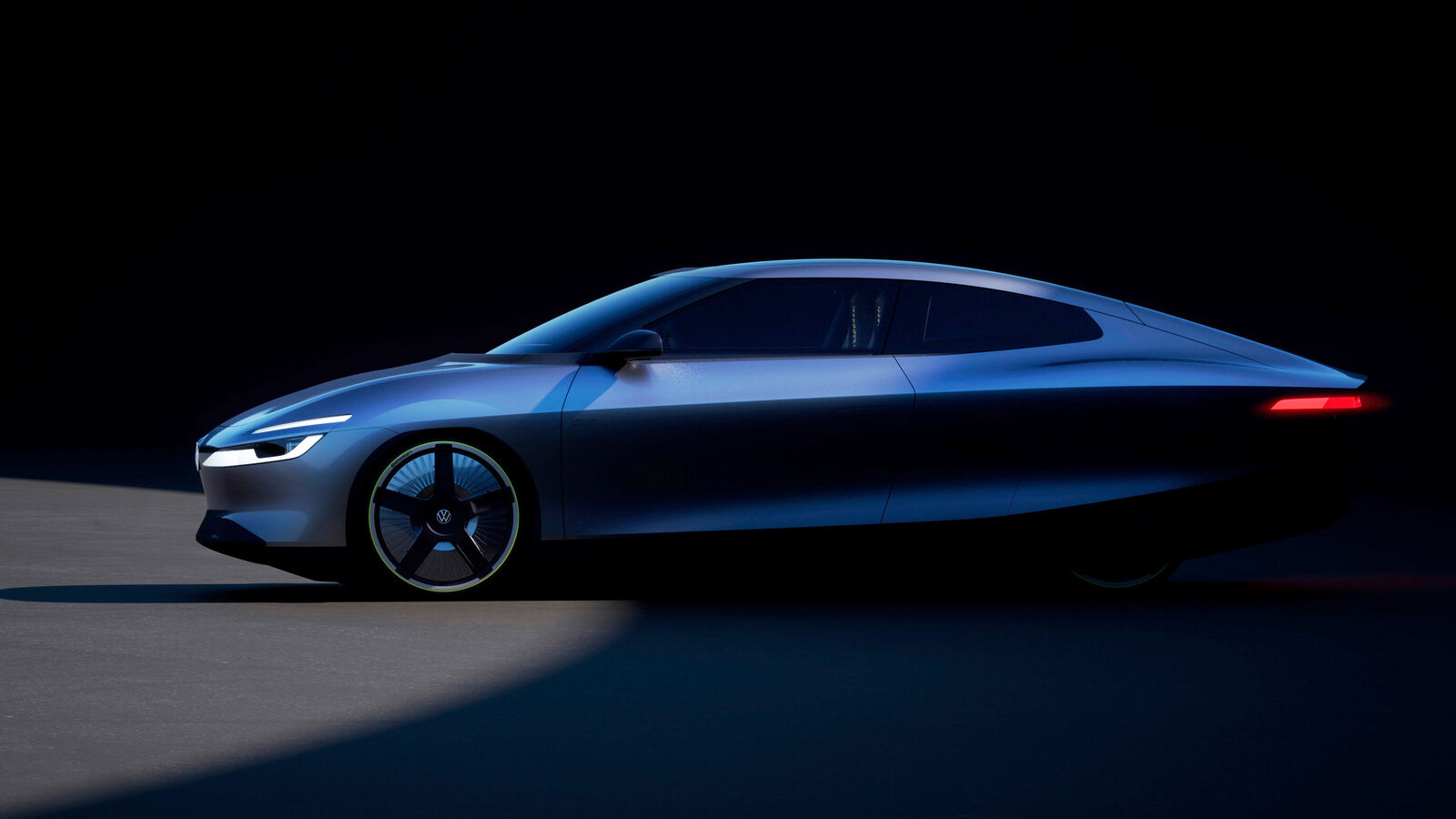
Volkswagen has unveiled an electric concept car that it says can travel 1,278 kilometers on a single charge while consuming energy at a rate of 14.5 kilometers per kilowatt-hour, a combination of range and efficiency that few battery-electric vehicles of any kind currently approach. The figures circulated through Korean-language technology and automotive coverage, prompting a verification review of eight primary sources.
The announcement rests on two headline numbers. The first is driving range: 1,278 kilometers per charge, a distance that would remove most of the charging arithmetic that still shapes long-distance travel planning for electric vehicles. The second is energy efficiency, expressed as 14.5 kilometers traveled per kilowatt-hour of electricity consumed — the inverse of the per-100-kilometer consumption figures more common in Western reporting, where a lower number signals better performance.
Range draws the headlines, but efficiency is the figure engineers tend to watch. Because it measures how far each unit of stored energy carries the vehicle, it reflects the entire hardware stack: the battery pack, power electronics, motor, aerodynamics and vehicle weight. A rating of 14.5 km/kWh implies that the concept converts electricity into distance with unusually little loss, which is why the number attracted as much attention as the range figure across coverage of the reveal.
For readers tracking Korea's battery and power-semiconductor industries, efficiency benchmarks set by major global automakers matter because they signal where demand for advanced cells and power electronics is heading. The Volkswagen figures provide one of the clearest recent reference points for what a top-tier efficiency rating looks like.
The report was examined against eight primary sources, and the two core figures — the 1,278 km range and the 14.5 km/kWh efficiency rating for the newly unveiled electric concept car — held up under review, so the claim is True.