AI · SEMICONDUCTOR · FACT CHECK
 SKD WIRE
Mostly True

China's Ministry of Commerce has broadened its export control regime to cover additional categories of "sensitive technologies," with artificial intelligence, biotechnology and solar photovoltaics among the areas subject to tighter restrictions, according to the announcement published by the ministry.
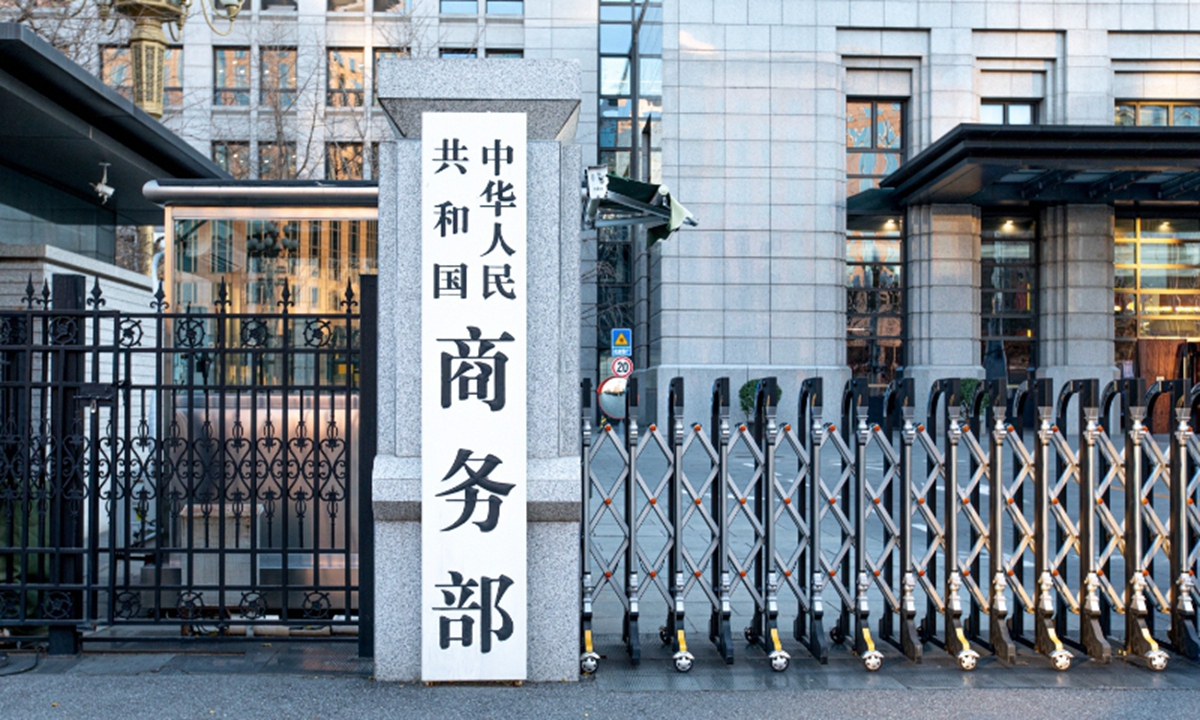
The measure was announced via China's Ministry of Commerce (MOFCOM), which published the decision on its official website. The policy widens the scope of technologies that require government review before export, grouping AI, biotech and solar technology under the label of sensitive technologies subject to expanded controls.
Coverage of the announcement also appeared in the Global Times, which carried material related to the ministry's statement. A Reuters report on the announcement was identified, though the full text of that report could not be retrieved at the time of review because the page was gated behind a captcha, and no archived copy was available given that the announcement was made the same day.
Because the announcement was published only recently, key operational details — including the effective timeline, the specific technology definitions used, and any licensing procedures — were not fully available from the sources accessible at publication.
China is South Korea's largest trading partner and a major market for its semiconductor and display industries. Expanded Chinese export controls covering AI-related technologies add a further layer of regulatory uncertainty for Korean companies operating across the China market, including Samsung Electronics and SK hynix, both of which maintain extensive manufacturing footprints in China. The practical impact on Korean firms will depend on how the controls are defined and enforced in implementing rules that have yet to be fully detailed.
The claim that China is expanding export controls on sensitive technologies spanning AI, biotech and solar is largely accurate, though some details of the policy remain unconfirmed pending fuller documentation — the finding is Mostly True.
Verdict: Mostly True