AI · SEMICONDUCTOR · FACT CHECK
 SKD WIRE
Mostly True
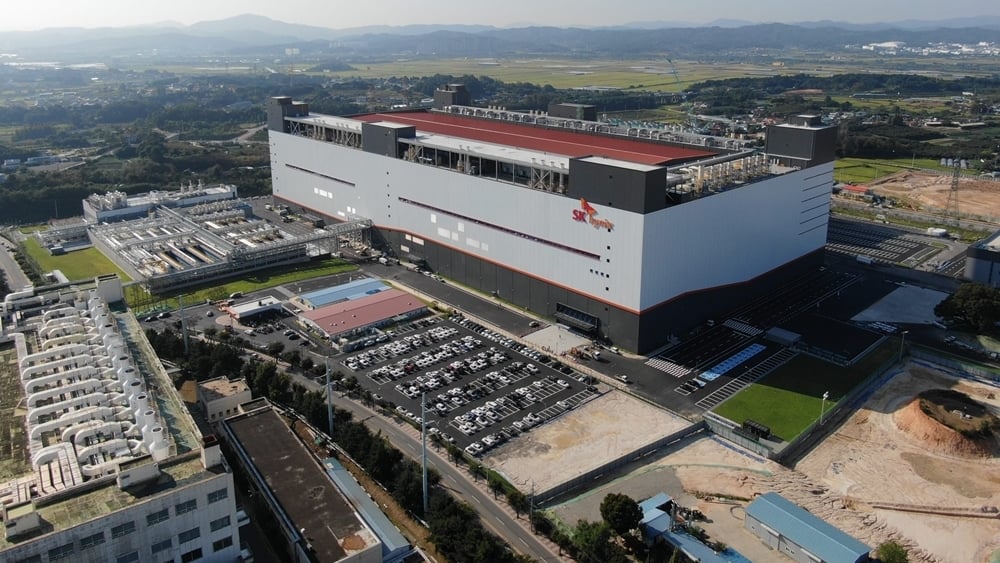
Korea's semiconductor upswing has widened existing divides rather than narrowing them, according to analysis of the claim that the boom has created a "three-way polarization" — growing gaps in individual income, corporate earnings and regional growth. The assessment, based on a review of 11 primary sources, found the characterization largely accurate.
The semiconductor industry's prosperity has translated into outsized gains for workers and companies directly tied to the sector, while benefits have not spread evenly across households or firms. Wage and income disparities linked to the cycle of facility investment have grown alongside the boom, reinforcing a divide between those inside the semiconductor value chain and those outside it.
Corporate earnings during the boom have been concentrated among the industry's leaders, including Samsung Electronics and SK hynix, rather than distributed broadly across the economy. The gap between top-performing chipmakers and other firms has widened as the upcycle boosted the former's profitability.
Growth in regions hosting major semiconductor manufacturing and investment has outpaced that of areas without such facilities, deepening regional imbalances. The concentration of fab construction and related facility investment has reinforced the advantage of host regions.
The exact magnitude of each of the three gaps was not established with precise figures in the reviewed material, and the claim is best understood as a directional characterization of trends rather than a statistical statement about specific percentages.
The claim that the semiconductor boom has deepened a three-way polarization across personal income, corporate profits and regional growth is, on balance, Mostly True.