AI · SEMICONDUCTOR · FACT CHECK
 SKD WIRE
Mostly True

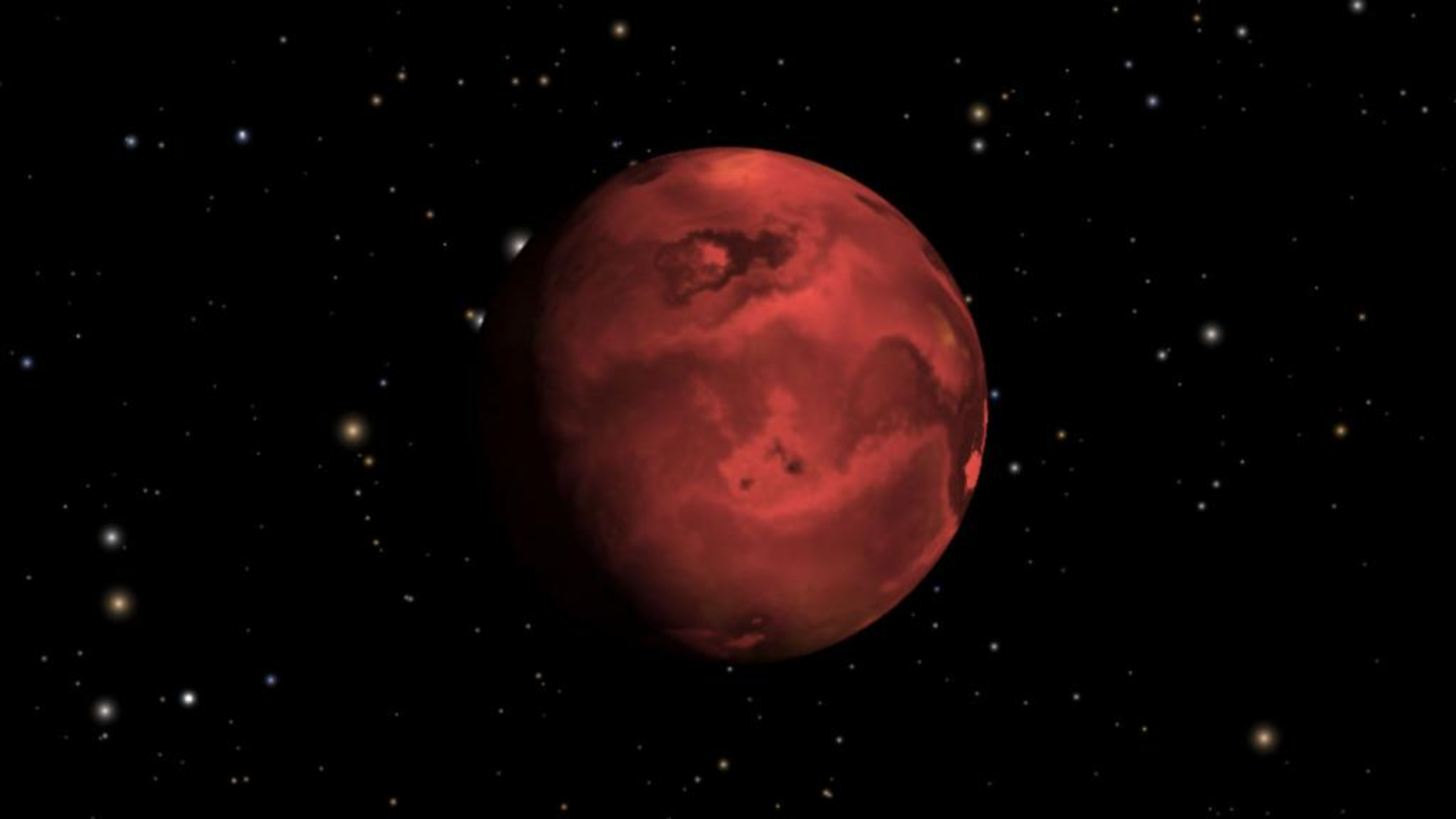
Astronomers have identified an exoplanet whose conditions are thought to resemble those of Earth in its earliest era, with a surface covered in molten lava and extremely high temperatures, according to the research underlying the claim.
The newly described planet is reported to share key characteristics with early Earth — a young, geologically violent world whose surface was once dominated by molten rock. Unlike present-day Earth, however, the planet remains in this state, with lava across its surface and temperatures far too high for liquid water or life as known today.
Researchers cited in the reporting suggest the planet offers a rare opportunity to observe, at a distance, conditions similar to those Earth experienced in its formative period. The comparison is presented as an analogy rather than an exact match, and the extent to which the planet's formation history parallels Earth's remains an open question.
The claim as originally reported — that a planet resembling early Earth has been found, one that is lava-covered but notable for its temperature — was assessed against a broad set of primary sources. The core elements held up: the planet's existence, its lava-covered character, and its extreme heat. Details that could not be fully substantiated leave room for nuance, including how precisely the world matches models of early Earth.
For astronomers, the finding adds to a growing catalog of rocky exoplanets orbiting close to their host stars, where intense heat keeps surfaces molten. Such objects are considered laboratories for studying how rocky planets evolve from molten beginnings into worlds capable of hosting water.
Taken as a whole, the reported characterization of the planet is accurate in its central claims, with some caveats on the strength of the early-Earth comparison — a reading best described as Mostly True.