AI · SEMICONDUCTOR · FACT CHECK
 SKD WIRE
True
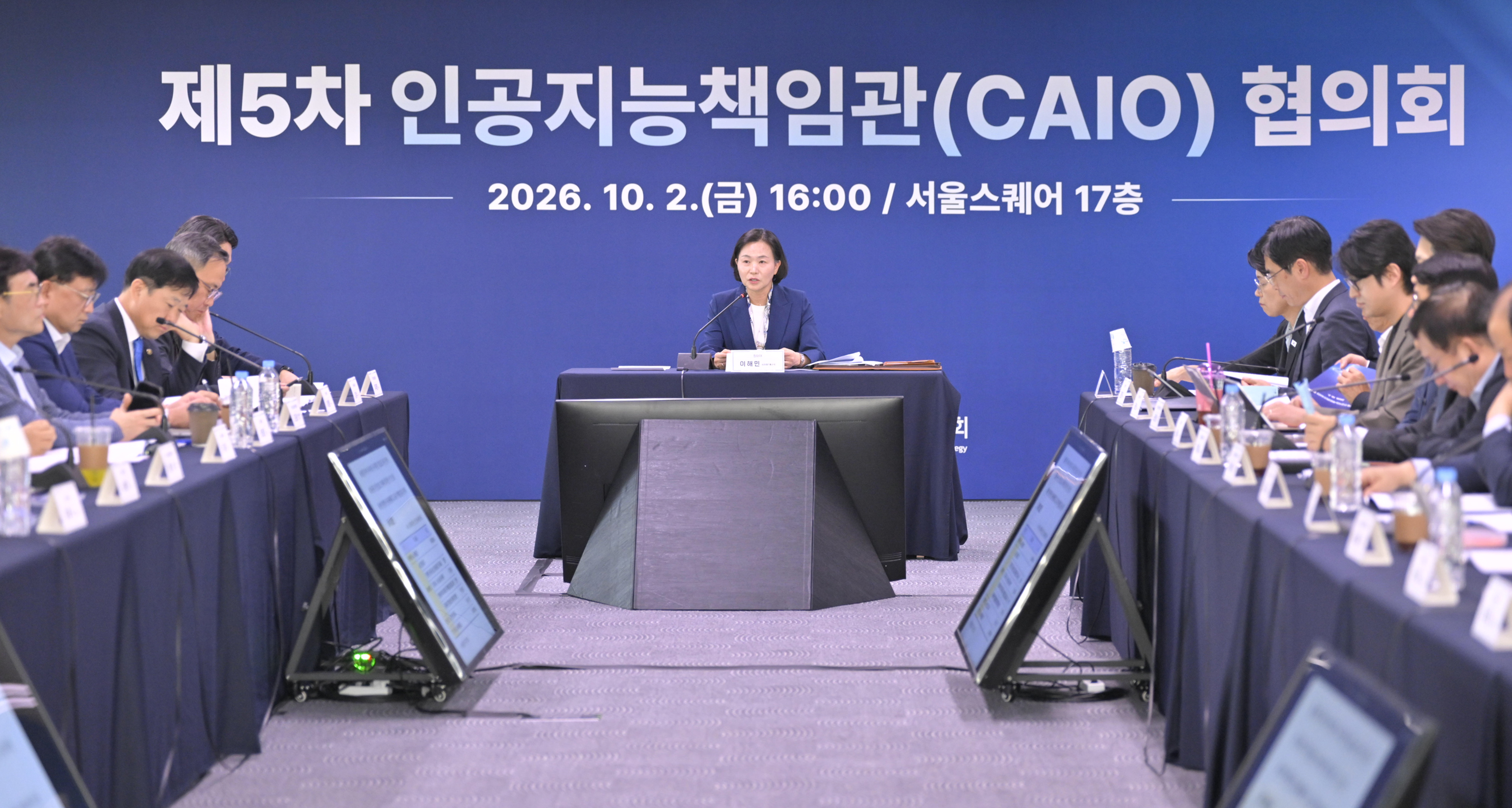
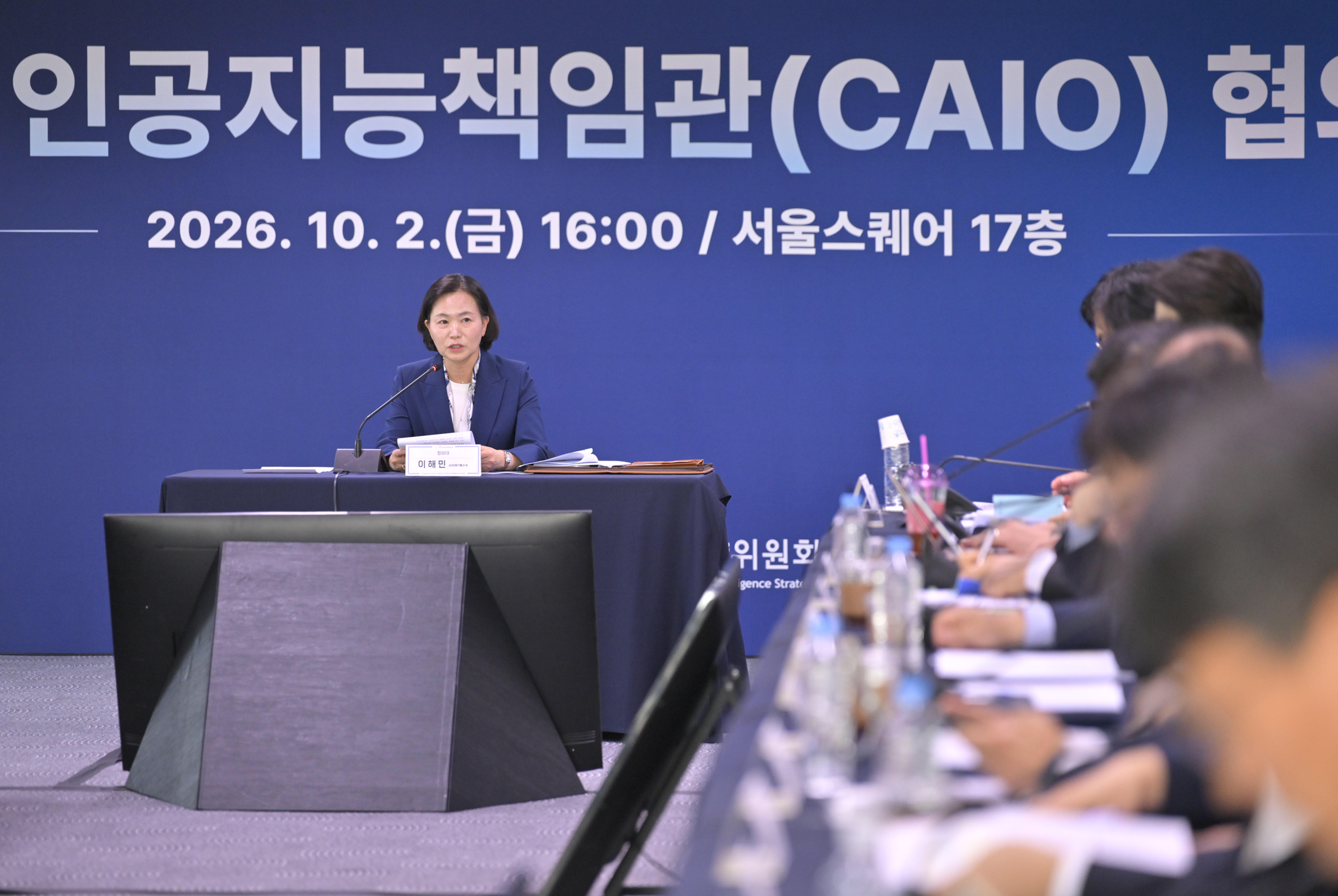
The South Korean government has launched a consultative body comprising 42 central administrative agencies to systematize its AI legislative framework, according to the Ministry of Science and ICT. The initiative, published through the government's official AI portal (aikorea.go.kr), aims to coordinate AI-related lawmaking across ministries rather than leaving regulation fragmented among individual departments.
The newly operational consultative council brings together 42 central administrative agencies under a single framework, a structural response to the reality that AI policy spans science and technology, industry, data, security and other portfolios traditionally handled in isolation.
By institutionalizing inter-agency consultation, the government intends to align pending AI bills and regulatory approaches before they reach the legislative stage. The move follows growing calls in Korea for comprehensive AI legislation, as individual ministries have advanced separate regulatory proposals with overlapping scopes.
Details of the council's launch, including accompanying images, were published on aikorea.go.kr, the government's official AI information portal. The announcement states that the body is now in operation, marking a formal step in the government's effort to consolidate AI governance.
The ministry's posting frames the council as the backbone of the government's drive to systematize AI legislation — organizing scattered regulatory initiatives into a coherent legislative framework developed in consultation across all 42 participating agencies.
The consultative framework is expected to guide how ministries coordinate on AI bills going forward, though the announcement did not specify a timetable for concrete legislative outcomes. Specifics on the council's mandate, meeting schedule and decision-making authority were not detailed in the published materials.
The launch of a 42-agency consultative council to systematize the government's AI legislative framework is accurate as announced by the Ministry of Science and ICT. Verdict: True