AI · SEMICONDUCTOR · FACT CHECK
 SKD WIRE
Mostly True
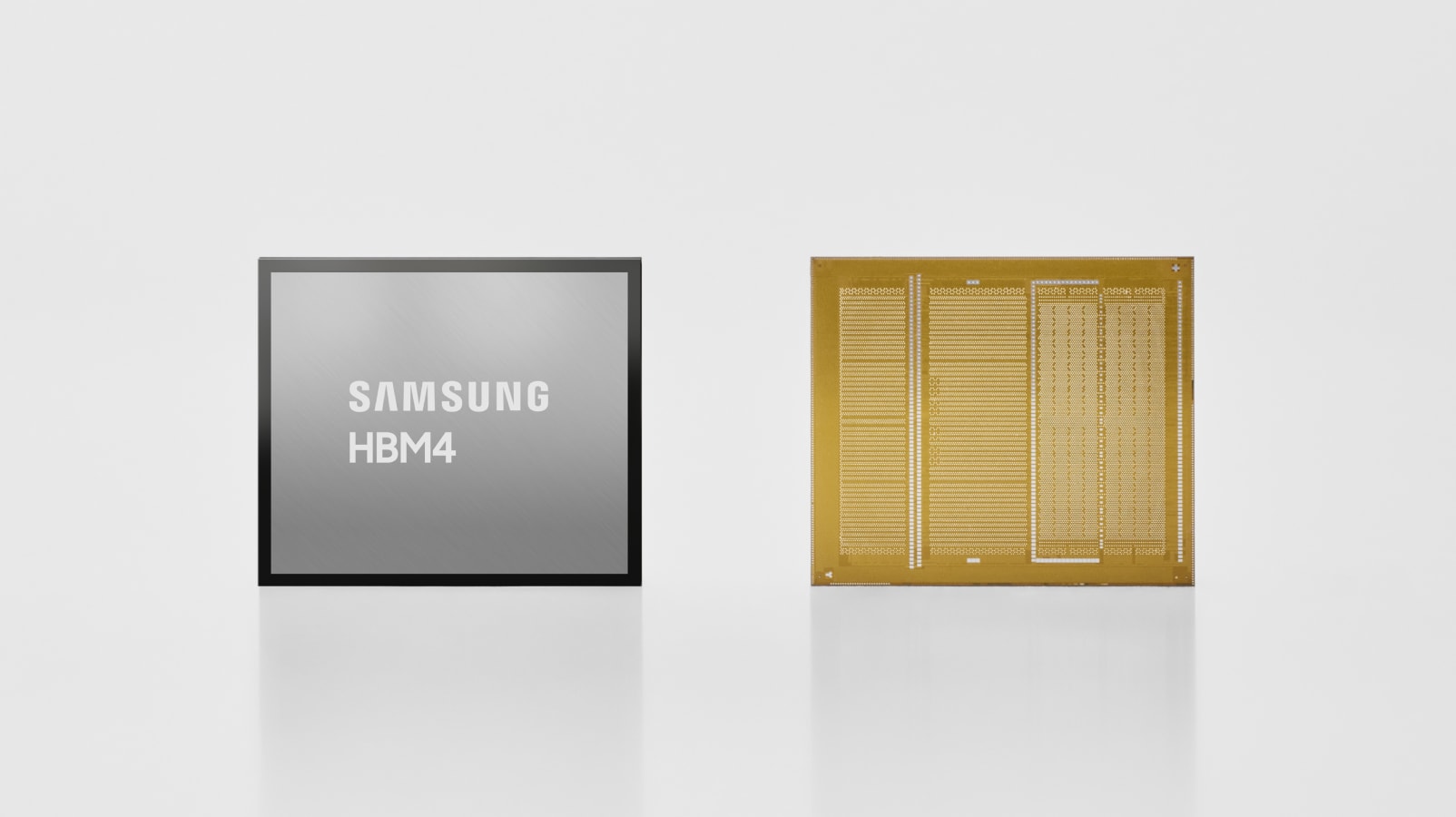
Samsung Electronics is positioning HBM4 as the vehicle to reclaim leadership in the high-bandwidth memory market, with chairman Lee Jae-yong at the center of the effort, according to reporting that describes the company as having "substantially accelerated its catch-up speed" against rival SK hynix.
The claim centers on Lee Jae-yong and Samsung Electronics' bid to recover the initiative in memory semiconductors through HBM4, the next generation of high-bandwidth memory used alongside GPUs in AI computing.
The underlying account states that Samsung has "substantially raised its pursuit speed," a characterization that is broadly consistent with the company's intensified HBM4 development push. Samsung has been working to close the gap with SK hynix, which has held the lead in supplying HBM for AI accelerators.
While the core narrative of a rapid catch-up aligns with the available evidence, the claim of leadership being "regained" remains ahead of what is established. Details on HBM4 qualification with major customers, supply volumes, and commercial timelines were not substantiated by the materials reviewed.
As with any generational memory transition, outcomes depend on customer validation and production yields that have not been publicly finalized.
Samsung Electronics, under Lee Jae-yong's leadership, has made clear its intent to compete at the front of the HBM4 era, but whether the company has fully recovered its memory dominance is not yet settled. On the balance of the evidence, the claim that Lee Jae-yong is moving to restore Samsung's memory leadership with HBM4 is Mostly True.