Trump and UN Clash Over AI Safeguards
Mostly True
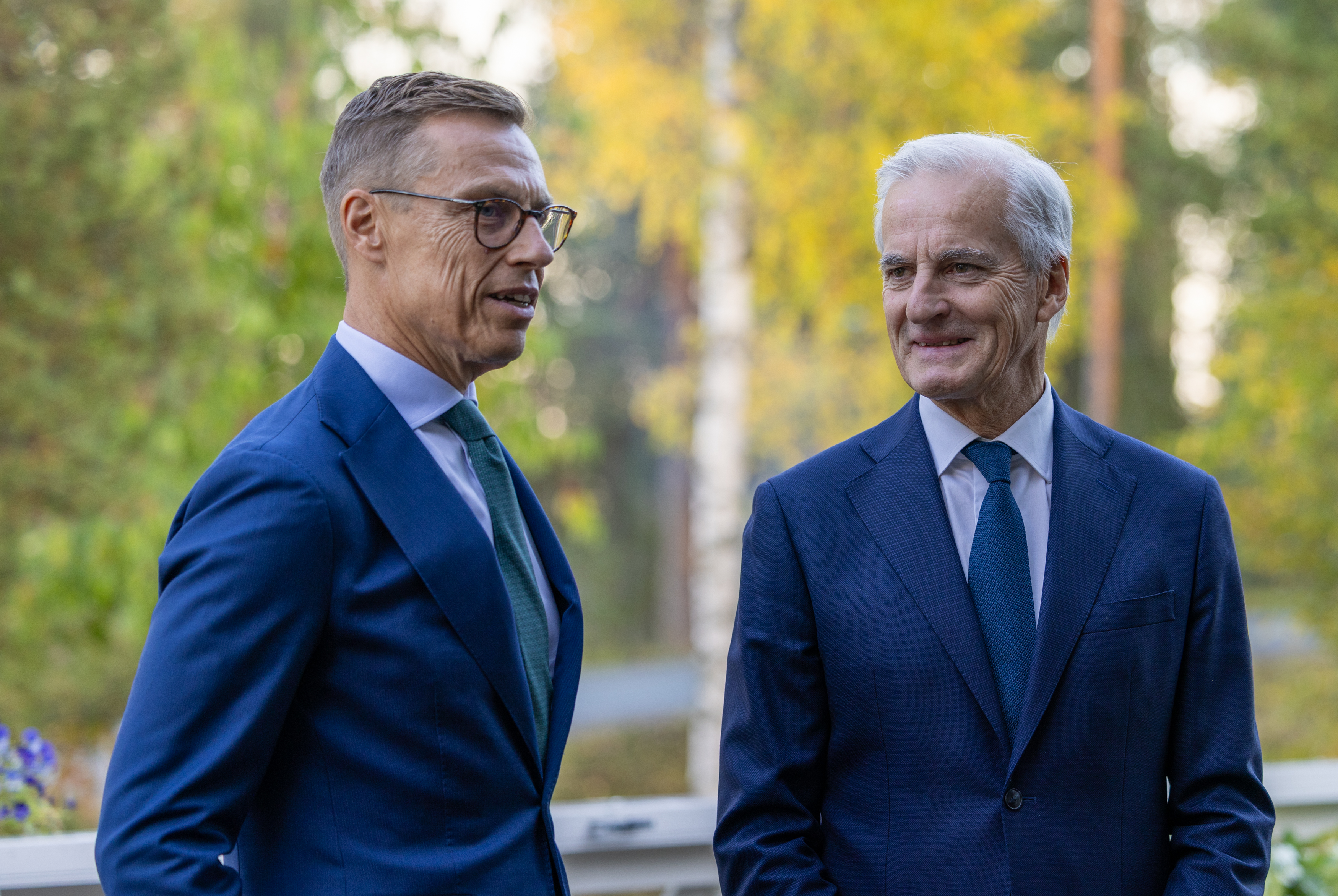
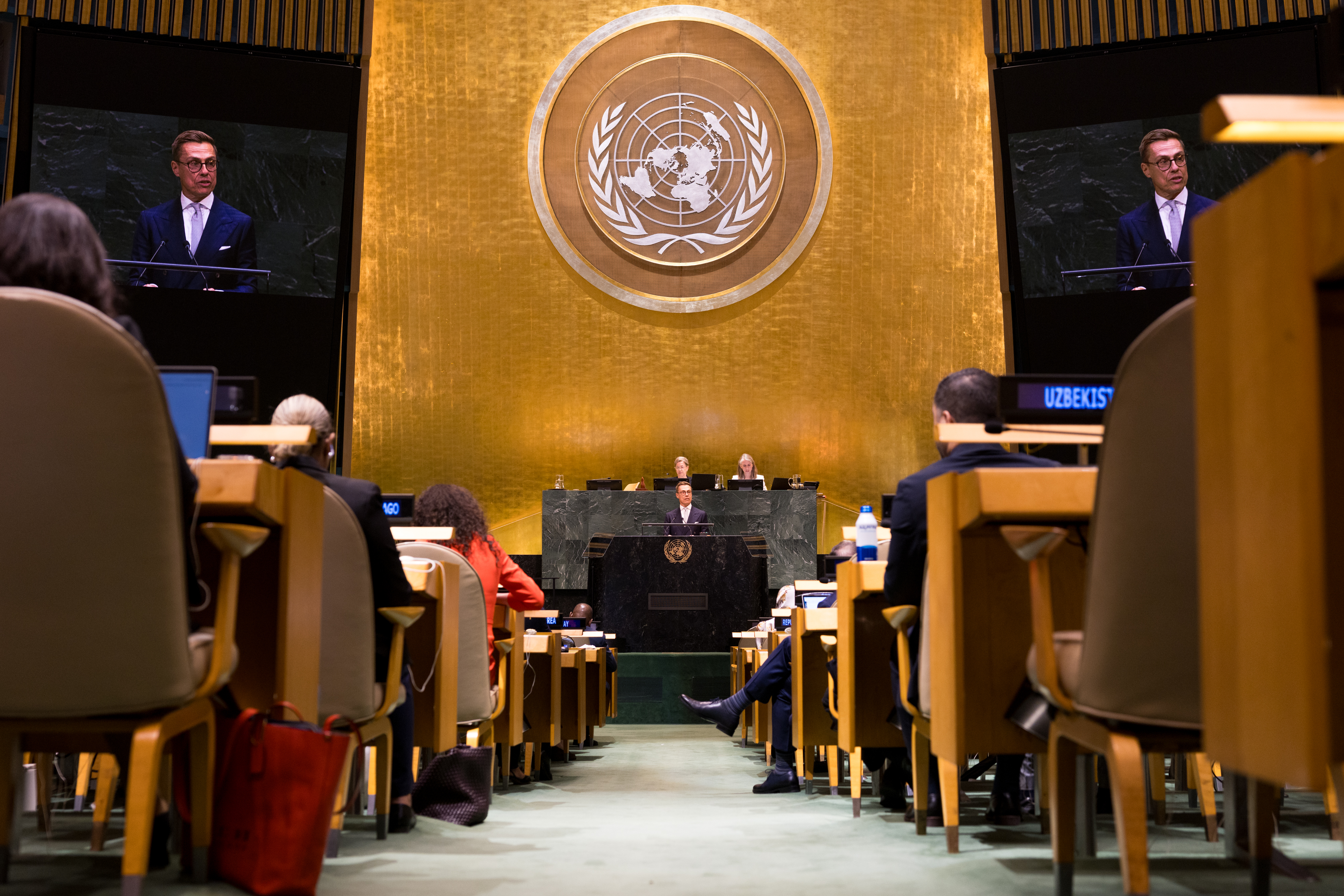
Tensions have emerged between the Trump administration and the United Nations over the design of safeguards for artificial intelligence, with the two sides taking divergent positions on how AI safety should be governed internationally.
Diverging Approaches to AI Safety
The dispute centers on the question of what guardrails should govern the development and deployment of AI. The Trump administration has pushed back against UN-led frameworks for AI safety, favoring a lighter-touch regulatory approach, while UN bodies have advanced international cooperation on AI safeguards.
The clash reflects a broader disagreement over whether AI governance should be coordinated through multilateral institutions or left to national governments and market forces.
Stakes for the Global AI Industry
The standoff carries implications for global technology companies, including Korean AI and semiconductor players such as Samsung Electronics, SK hynix and Naver, whose products and services operate across jurisdictions shaped by both US policy and international standards.
The outcome of the dispute could influence how harmonized — or fragmented — AI safety rules become across major markets.
What Remains Unclear
The precise scope of the disagreement, the specific UN proposals being contested, and any formal US response have not been fully laid out, leaving the extent of the confrontation uncertain.
The claim that the Trump administration and the United Nations are in conflict over AI safeguards is, on balance, Mostly True.
- https://press.un.org/en/2026/sgsm23282.doc.htm
- https://www.un.org/independent-international-scientific-panel-ai/en/thematic-briefs/ai-agents-misalignment-risks
- https://news.un.org/en/story/2026/09/1168380
- https://www.presidentti.fi/en/a-call-for-control-of-frontier-ai-models/
- https://www.presidentti.fi/en/president-stubb-and-prime-minister-of-norway-the-rapid-development-of-ai-requires-international-cooperation/
- https://www.bbc.com/news/articles/cw980n0nd0qjo
- https://www.yahoo.com/news/politics/articles/trump-dismisses-ai-guardrails-says-171309517.html
- https://www.foxbusiness.com/politics/trump-rebrands-ai-rejects-globalist-scheme-control-tech
- https://www.pbs.org/newshour/politics/watch-trump-dismisses-concerns-about-ai-risks-at-un-says-he-wont-rein-it-in
- https://www.aljazeera.com/economy/2026/9/22/20-countries-propose-global-oversight-body-to-manage-ai-dangers
- https://www.presidentti.fi/wp-content/uploads/2026/09/55526515733_921d5d6906_o.jpg
- https://www.presidentti.fi/wp-content/uploads/2026/09/2026-09-22-yk-n-yleiskokous-17.jpg