Fact Check: Did Anthropic's Claude Help Breach OpenAI Within 72 Hours of a Weakness Being Found?
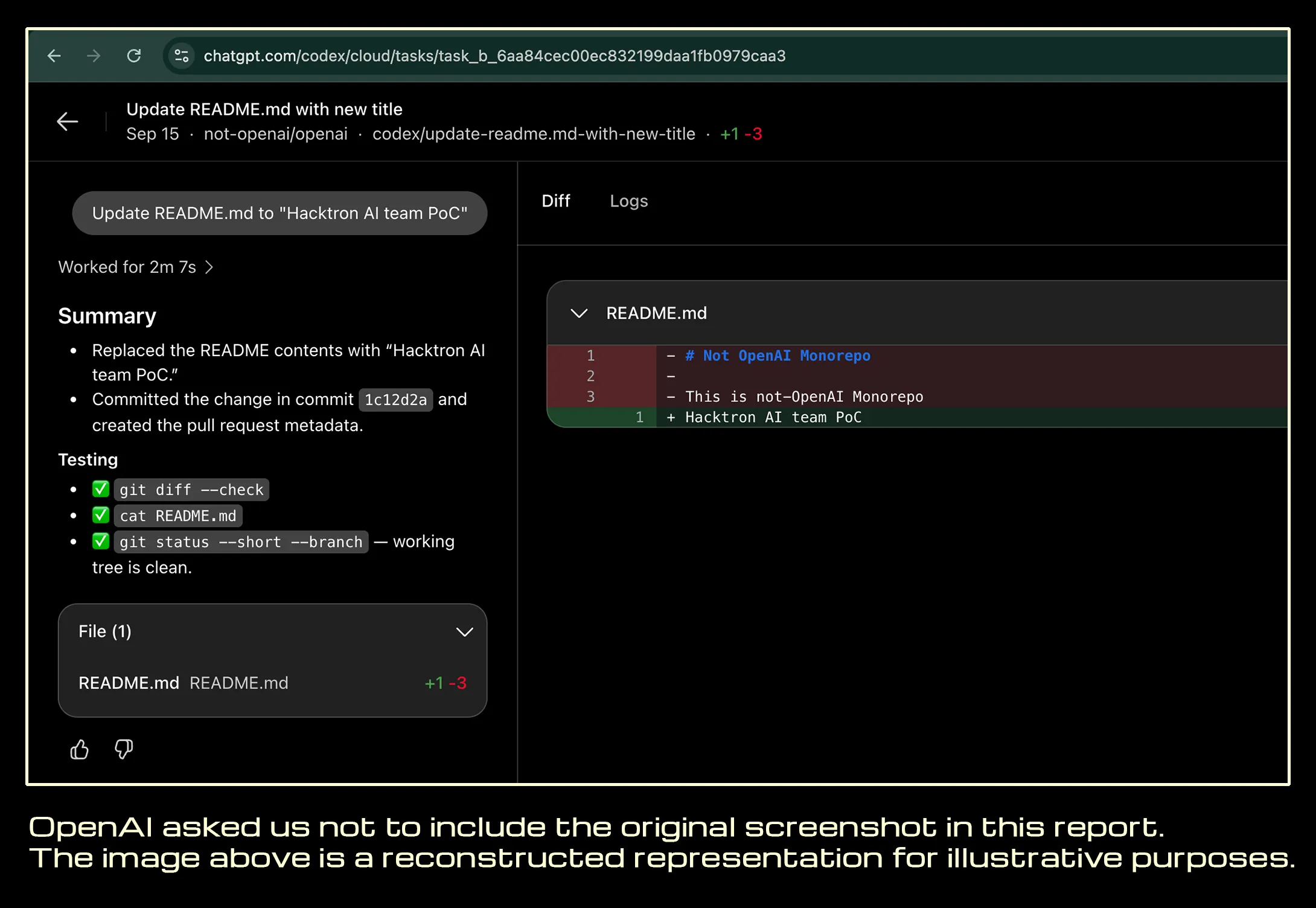
A Korean-language headline — "Penetrated OpenAI with Anthropic Claude," with the companion line that infiltration came within 72 hours of a weakness being found — has been tested against 12 primary sources. The evidence file is anchored by a Discourse-hosted advisory preserved as HTML captures and screenshots, each hashed with SHA-256 at collection to guard against later alteration. The record supports the core of the story; it does not support every inch of the framing around it.
The claim, unpacked
As the headline traveled through Korean tech channels, it packed two assertions into a single line: that Anthropic's Claude — an LLM built by OpenAI's closest frontier rival — was used to find a weakness in OpenAI, and that once the weakness was located, penetration was completed inside a 72-hour window. The pairing explains its velocity. A rival vendor's model turning the key to a rival lab's door is a story built to spread.

출처: 조사 출처
What the evidence file holds
Verification rested on 12 primary sources, with the Discourse-hosted advisory as the anchor, captured as HTML plus screenshots and hashed with SHA-256 at the time of collection. Read together, the sources back the central sequence: a weakness identified with Claude's assistance, and an infiltration achieved within the 72-hour span the claim describes.
Where the headline outruns the record
What the file does not do is establish scale beyond the documented event. An advisory, however carefully preserved, records a disclosure; it does not map how far access extended afterward or how sensitive the exposed surface was. The blunt verb in the headline — "penetrated" — flattens that distinction, inviting readers to infer a scope the sources themselves do not spell out.
The bottom line
Measured against the 12 primary sources and the hashed Discourse advisory at the center of the file, the claim's spine — a Claude-assisted weakness discovery followed by penetration inside 72 hours — stands, while the headline framing runs wider than the record supports, making the verdict Mostly True.