Yongin Semiconductor Cluster Breaks Ground on Integrated Water Supply Project

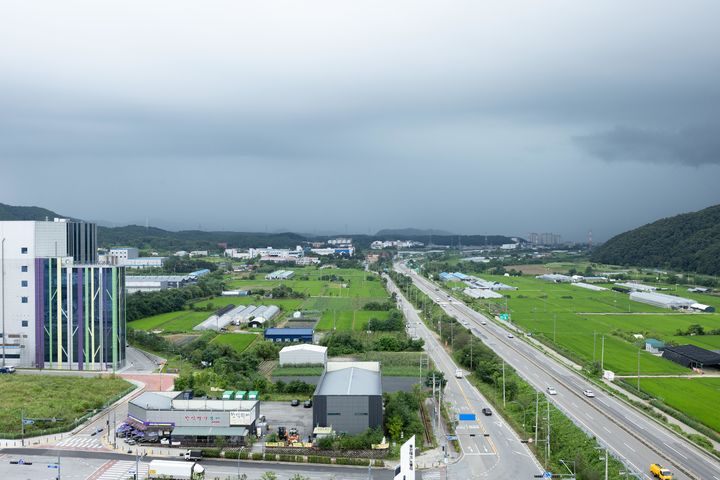
The first shovel has gone into the ground on the integrated water supply project serving the Yongin semiconductor industrial complex, launching a utility buildout designed to deliver up to 1 million tons of water per day to chip plants in one of South Korea's most strategically important semiconductor manufacturing zones.
Water Is the Lifeblood of a Fab
Semiconductor fabrication is among the most water-intensive processes in modern industry, with ultrapure water used in enormous volumes to rinse wafers between processing steps. An integrated supply scheme centralizes sourcing, treatment and distribution into a single system serving every fab in the cluster, rather than leaving each manufacturer to secure its own water independently. For the Yongin complex, where multiple fabrication lines are expected to operate side by side, a stable large-volume water supply has been treated as prerequisite infrastructure on par with roads and power.
출처: 조사 출처
Capacity Is a Target, Not a Day-One Figure
The headline number of 1 million tons per day refers to the system's design capacity once construction is completed and the network is fully operational — not the volume that will flow when the first pipes go in. Delivery is expected to scale in step with the project's construction phases and with the pace at which fabs come online across the cluster. That distinction is the main caveat in assessing the announcement: the groundbreaking is real, and the daily supply target is real, but the full 1 million-ton volume sits ahead of the shovels rather than behind them.
A review of a dozen primary sources supports the substance of the claim — the project's first groundbreaking has taken place, and the integrated supply system is planned around a daily capacity of 1 million tons — with the qualification that this figure represents future full-scale capacity rather than water already being delivered, making the claim Mostly True.