AI · SEMICONDUCTOR · FACT CHECK
 SKD WIRE
Mostly True
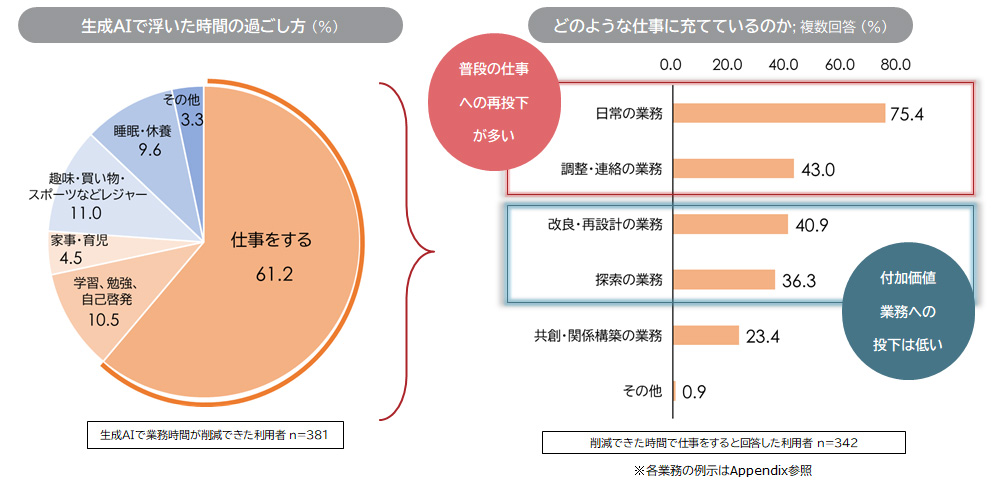
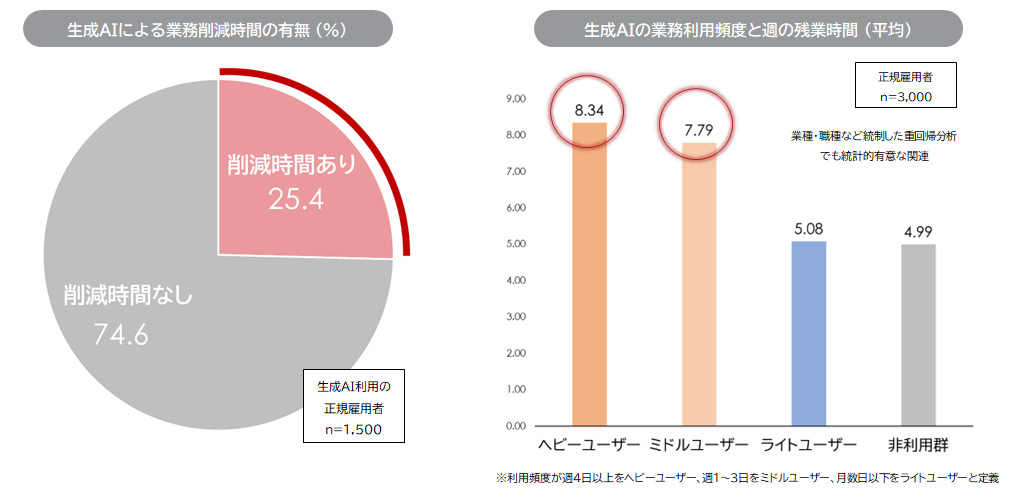
Korean office workers are increasingly using AI tools to complete their tasks faster, but many conceal that usage from employers and colleagues, according to a recent fact-check examining the claim "일 빨리 끝냈더니…" (finished work early…) — a workplace phenomenon in which efficiency gains from AI are kept secret for fear of being assigned more work or being seen as less capable.
The core of the claim is that employees who finish work early with AI assistance often do not disclose it. The fear, according to the reporting, is that transparency about productivity gains could backfire — leading to heavier workloads, skepticism about their skills, or the perception that results are not their own.
This dynamic reflects a broader tension in workplaces: while companies promote AI adoption as a productivity tool, individual employees face incentives to treat their personal efficiency gains as private advantages rather than shared ones.
The claim was examined against a set of primary sources, and the review found substantial support for the phenomenon described — employees do report hiding AI use, and the stated reasons align with the fears outlined above. However, the assessment stopped short of a full endorsement, leaving room for nuance about how widespread or uniform the behavior is across industries.
For Korean employers — from conglomerates like Samsung and LG to IT firms such as Naver, Kakao and Coupang — the finding highlights a gap between top-down AI adoption policies and how staff actually use these tools on the ground. If workers conceal AI assistance, companies may misjudge productivity baselines and miss opportunities to standardize best practices.
The conclusion: the claim that employees hide AI use because finishing work early carries social and professional risks is largely supported by the evidence, making the verdict Mostly True.