Mostly True
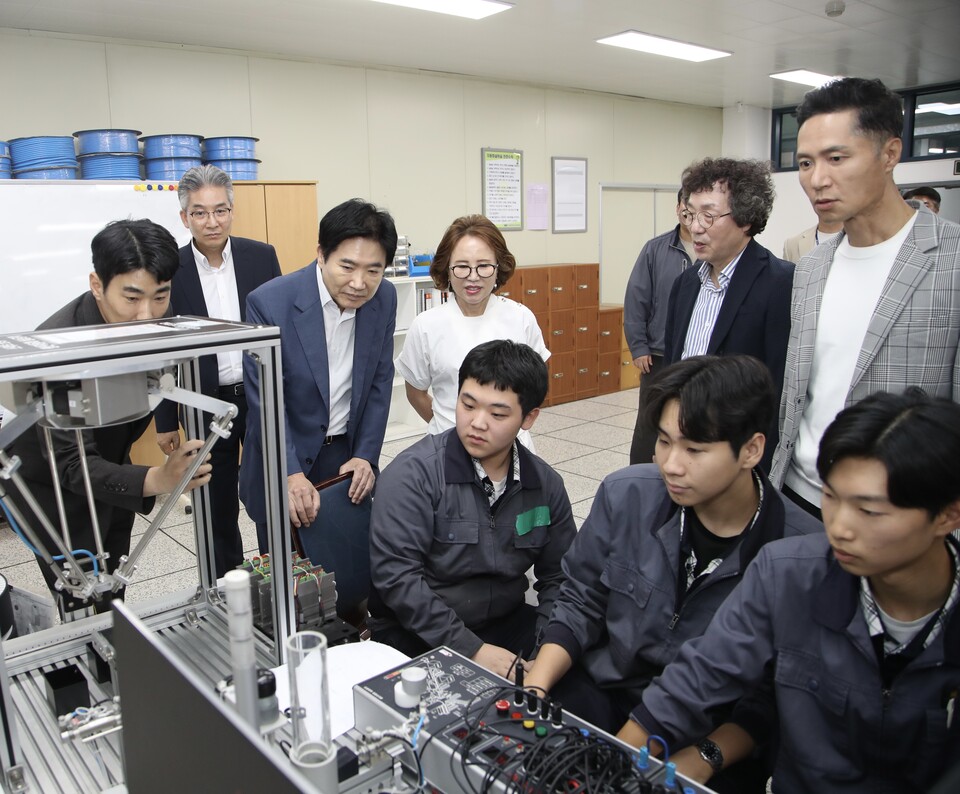
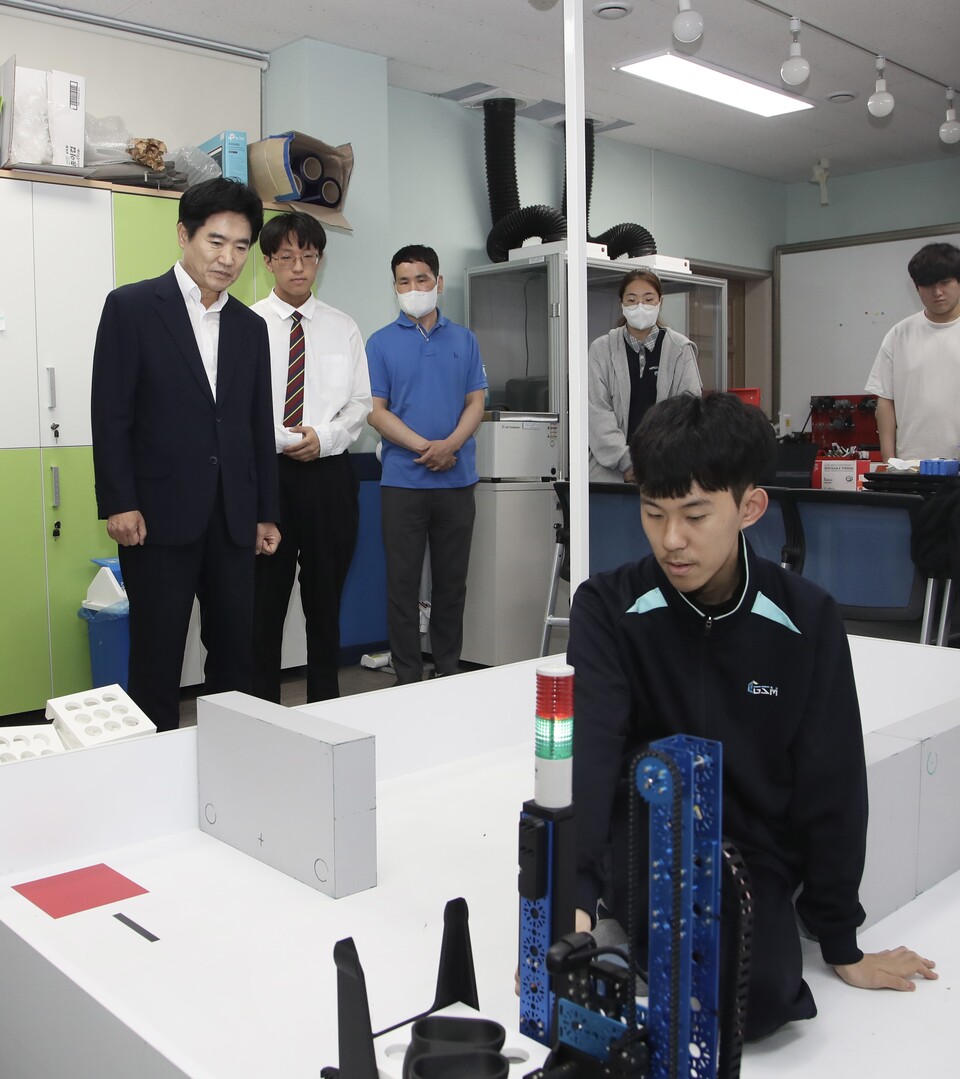
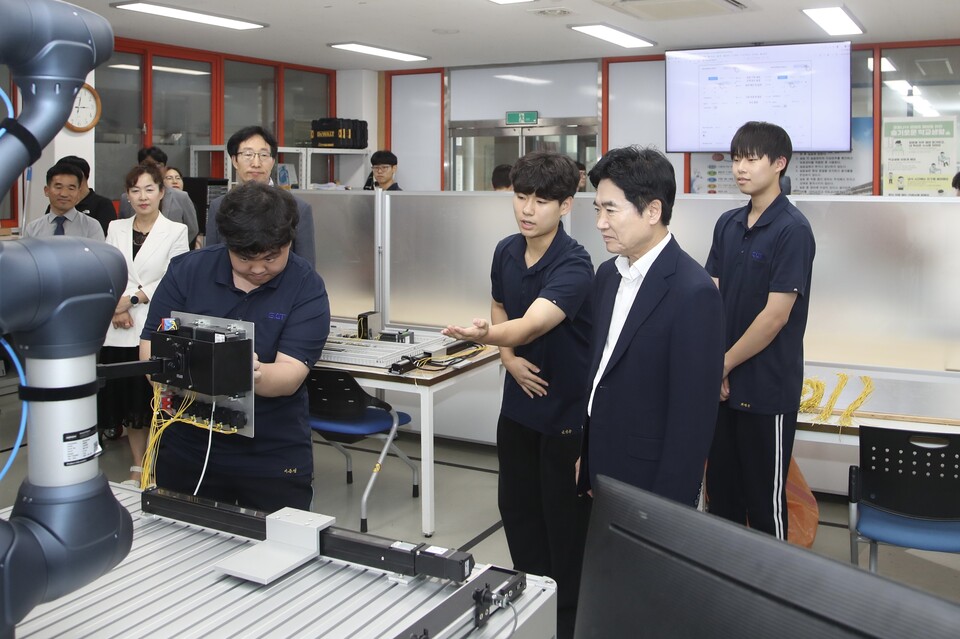
Miniature semiconductor production lines are being introduced into vocational high school classrooms as part of a broader overhaul of vocational education, giving students hands-on experience with chip manufacturing processes before they enter the workforce.
The reform places small-scale semiconductor fabrication equipment directly inside vocational high schools, shifting training away from theory-heavy instruction toward practical process experience. Students will be able to work with production-line-style setups on campus, learning the fundamentals of semiconductor manufacturing in the same way they would on an actual fab floor.
The initiative reflects a growing push to align vocational curricula with the semiconductor industry's demand for skilled process engineers and technicians, a field in which Korea's manufacturers, including Samsung Electronics and SK hynix, remain globally prominent.
Alongside the equipment rollout, the broader reform of vocational high school education restructures how students are prepared for employment in technical fields. The classroom mini-lines are intended to serve as a bridge between school training and industry needs, allowing graduates to arrive on the job with direct experience of semiconductor production environments.
Details on the exact number of schools to be equipped and the funding scale of the program were not available in the reporting reviewed. The extent of industry participation in supplying or maintaining the mini production lines also remains unconfirmed.
The core claim — that vocational high school education is being reformed to bring mini semiconductor production lines into classrooms — is largely supported by available reporting, with the overall assessment coming out as Mostly True.