AI · SEMICONDUCTOR · FACT CHECK
 SKD WIRE
Mostly True
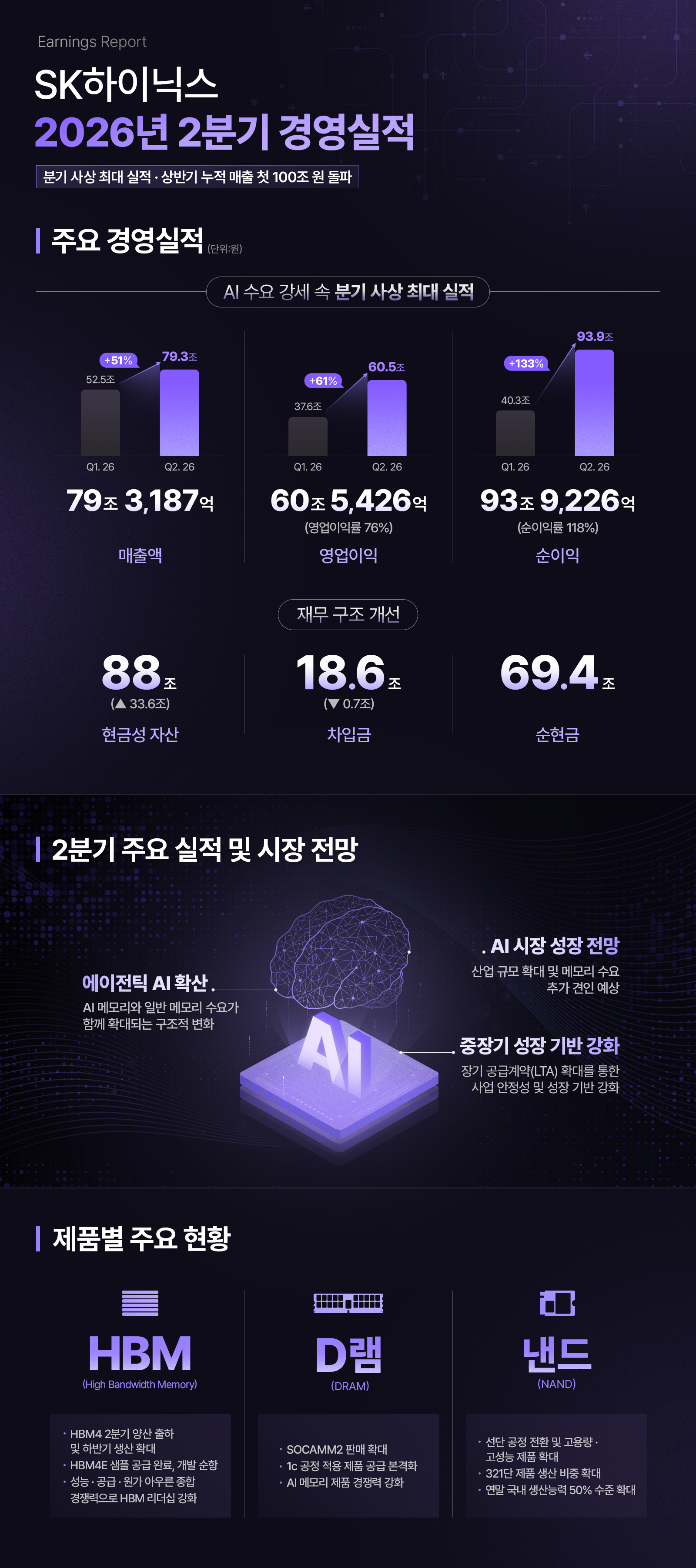
South Korea's semiconductor sector is enjoying a historic boom, yet the broader domestic economy shows little of the euphoria, a gap that has fueled debate over whether the chip upcycle is lifting the real economy at all. The claim that "even amid an unprecedented semiconductor boom, the economy draws a sigh" was judged mostly true.
The claim, examined against a review of 12 primary sources, reflects a divergence now visible across Korea's key industries. Semiconductor heavyweights Samsung Electronics and SK hynix have benefited from surging demand tied to AI, with memory chips and HBM at the center of the global AI infrastructure buildout.
Yet outside the chip sector, indicators point to a sluggish economy. The sources reviewed paint a picture of weak domestic consumption and uneven momentum in exports beyond semiconductors, leaving households and smaller firms largely untouched by the chip windfall.
The concentration of the boom in a narrow band of large chipmakers means gains have not spread widely through supply chains or into employment and wages more broadly. AI-driven demand for high-end memory has lifted the earnings of Samsung Electronics and SK hynix, but the trickle-down to the wider economy has been limited.
The assessment stopped short of calling the claim fully accurate: the boom is real and unprecedented in scale, and some spillover effects exist, but the broad economy's malaise is equally real. Uncertainty remains over how long the upcycle will last and whether wider benefits will materialize.
The claim captures a genuine tension in the Korean economy — record-level semiconductor prosperity coexisting with persistent weakness elsewhere. Based on the available evidence, the claim is rated Mostly True.