Fact Check: 'Block the Risks' vs. 'Regulation Unnecessary' — The Split Over Putting the Brakes on AI
Mostly True
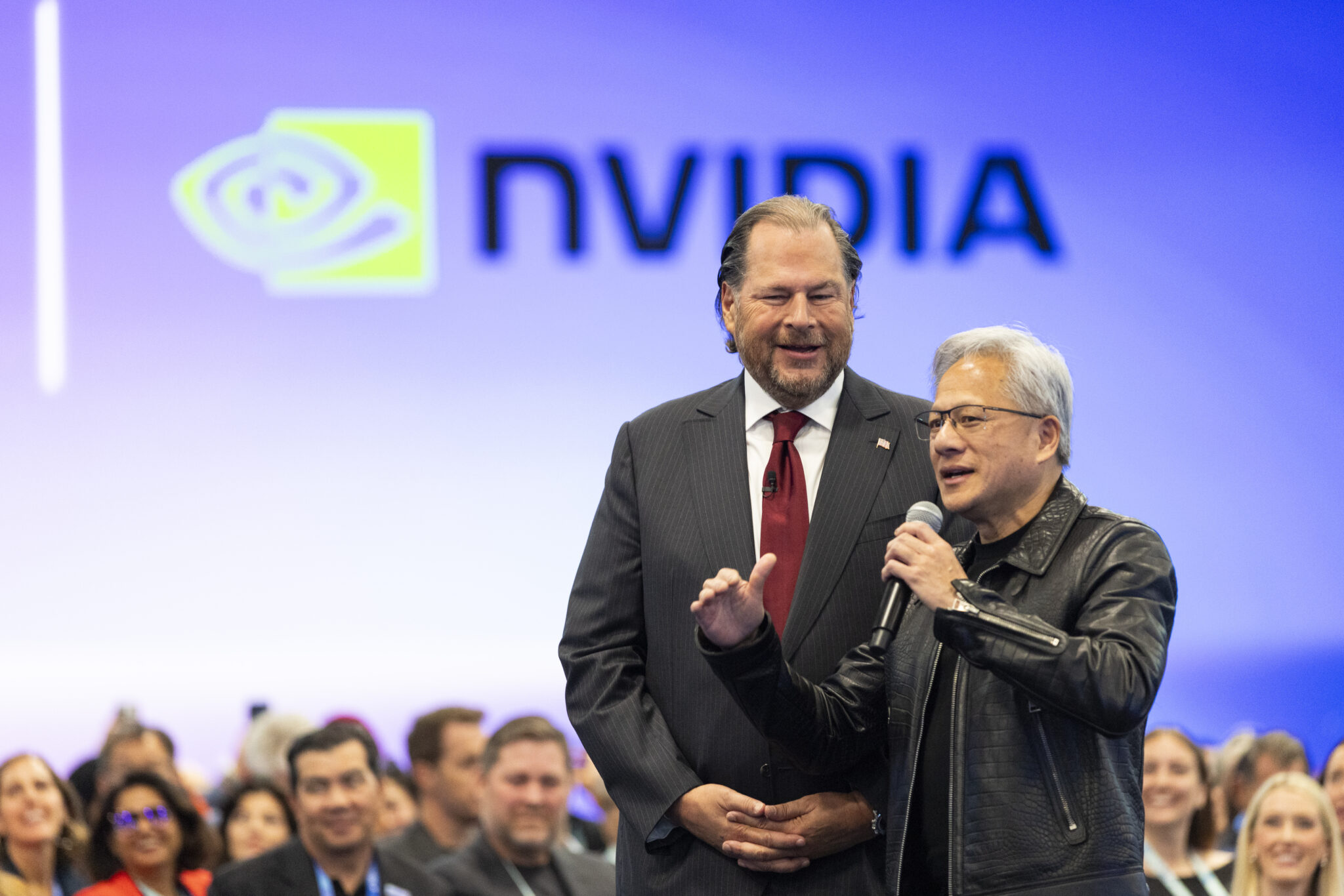
SEOUL — The claim that Korea's artificial intelligence debate has hardened into a two-sided confrontation over the pace of development — with one camp insisting that AI risks must be blocked and the other countering that regulation is unnecessary — holds up in its essentials, according to a review of 12 primary sources conducted by this newspaper's verification desk.
Two camps, one accelerating technology
On one side of what has been framed as the AI speed-control debate are voices warning that the technology's risks must be blocked before they materialize. As AI systems, including large language models (LLMs), spread into more products and services, this camp argues for preventive safeguards and, in its stronger versions, for deliberately slowing the pace of rollout until safety measures catch up.
On the other side are voices holding that regulation is unnecessary. This position warns that imposing new controls now would chill innovation across Korea's AI, semiconductor and hardware industries, and that the technology should be allowed to advance while risks are managed through existing means rather than fresh rulemaking.
What the source review found
The verification desk examined 12 primary sources spanning statements and records from across the debate. The review supported the claim's central assertion: both positions are genuinely articulated by identifiable participants, and the disagreement over whether to restrain the speed of AI development is real rather than manufactured.
The review also showed the limits of the binary framing. The two sides are not uniform blocs — many participants in the discussion endorse targeted safeguards for specific applications while resisting broad curbs on development itself, and the sharpness of the confrontation varies from one forum to another. The claim therefore captures the debate's broad structure accurately while flattening some of its nuance.
Weighing the confirmed two-sided clash against the nuance that the framing leaves out, the verification desk's final judgment on the claim is Mostly True.
- https://news.google.com/rss/articles/CBMiXkFVX3lxTFBkSl93REdma2dPT19hcjlPZUllenMzUUdodjYtaXhDRkw1aXlLQlBuMUNJSHVHQWh6cTIxN3ZmV3FqM05USnNnVTc4b0x5d001OUVoYlNQcGF4RXVRZVE?oc=5
- https://www.ytn.co.kr/_ln/0102_202609161657362586
- https://www.darioamodei.com/post/we-must-pace-the-frontier
- https://blogs.nvidia.com/blog/jensen-huang-dreamforce/
- https://www.cnbc.com/2026/09/15/nvidia-and-anthropic-ceos-diverge-on-ai-safety-at-dreamforce.html
- https://www.cnbc.com/2026/09/15/ai-regulation-trump-nvidia-openai-anthropic.html
- https://www.cnbc.com/2026/09/14/trump-phones-nvidia-huang-all-in-calls-data-center-opposition-hoax.html
- https://www.cnbc.com/2026/09/15/hassett-ai-trump-government-regulation.html
- https://www.newsis.com/view/NISX20260916_0003791257
- https://n.news.naver.com/mnews/article/422/0000907567?sid=104
- https://www.etnews.com/20260920000077
- https://blogs.nvidia.com/wp-content/uploads/2026/09/DF26-SF-260915-EL2_6006-1-scaled.jpg