AI · SEMICONDUCTOR · FACT CHECK
 SKD WIRE
Mostly True
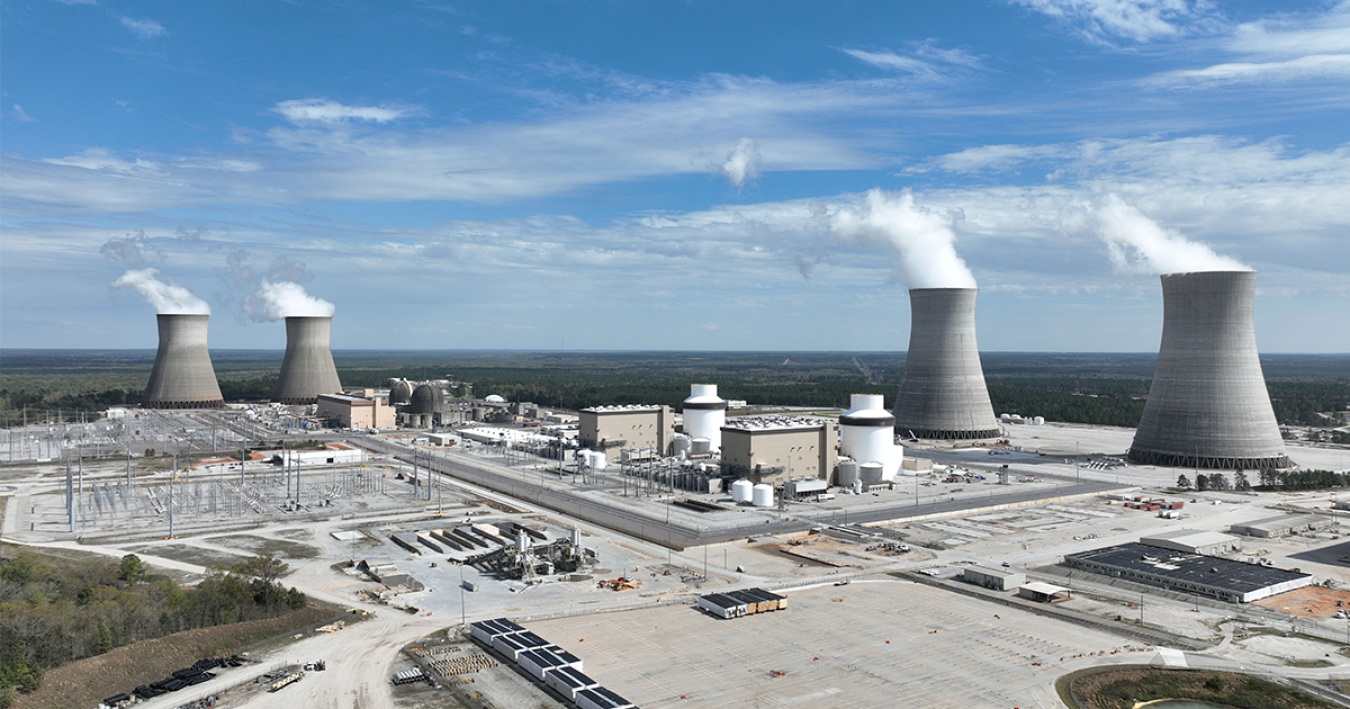
The United States is scaling up its nuclear power capacity as part of a broader push to secure leadership in artificial intelligence, where rising electricity demand from data centers is straining existing grids, including installations supporting the military's Project Pele microreactor program.
The rapid growth of AI infrastructure has driven a sharp increase in electricity consumption, with energy-intensive data centers emerging as a central bottleneck for AI development. Nuclear power has become a key option in the US response, offering stable, large-scale baseload generation suited to continuous data center operation.
Efforts span both large civilian reactors and smaller, deployable units. The US Department of Defense's Project Pele, which is developing transportable microreactors, illustrates how nuclear energy is being positioned as a strategic asset tied to national computing and defense priorities rather than purely commercial power supply.
While the direction of US policy is clear, the pace of new reactor deployment remains subject to regulatory review, construction timelines, and cost considerations, and firm figures on future capacity were not available. The link between nuclear expansion and AI competitiveness is nonetheless increasingly explicit in US energy and technology planning, as the government treats affordable, reliable electricity as a prerequisite for AI leadership.
The claim that the United States is building up nuclear power for the sake of AI dominance is Mostly True.

