AI · SEMICONDUCTOR · FACT CHECK
 SKD WIRE
Mostly True

Ulsan National Institute of Science and Technology (UNIST) has introduced two innovative technologies aimed at the semiconductor and spent battery markets, drawing attention from industry. The developments were publicized through the university's research and innovation channels, with related images published on the UNIST website and coverage in Korean media.
According to the report, the two technologies are positioned as innovation outputs from UNIST research, with applications in the semiconductor sector and in the recycling or reuse of spent batteries — markets currently attracting significant interest.
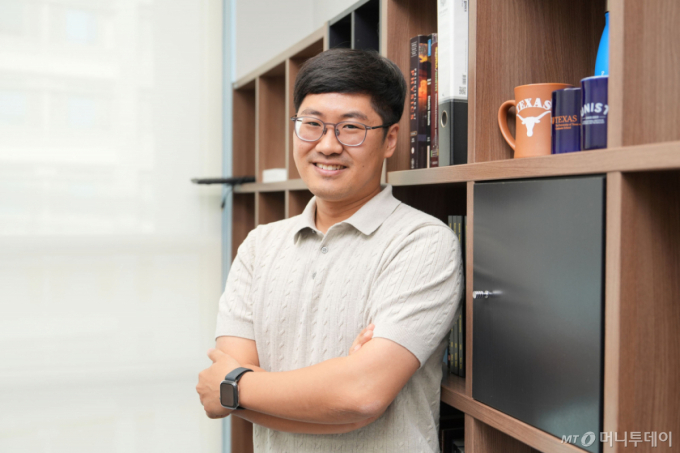
The institute published materials on its official website describing the research outcomes, and the story was also picked up by Korean news outlets, including imagery carried by media coverage dated October 2026.
UNIST, based in Ulsan, regularly publicizes research breakthroughs with potential commercial relevance. The two technologies highlighted in this case fall within areas — semiconductors and battery recycling — that are central to Korea's industrial agenda, where battery material recovery and chip manufacturing are major national priorities.
Specific performance figures, commercialization timelines, or industry partnerships for the two technologies were not detailed in the materials reviewed, and claims about market impact remain based on the institute's own presentation of the research.
The claim that UNIST introduced two innovation technologies drawing attention in the semiconductor and spent battery markets is largely supported by the available sources, making the overall assessment Mostly True