AI · SEMICONDUCTOR · FACT CHECK
 SKD WIRE
Mostly True
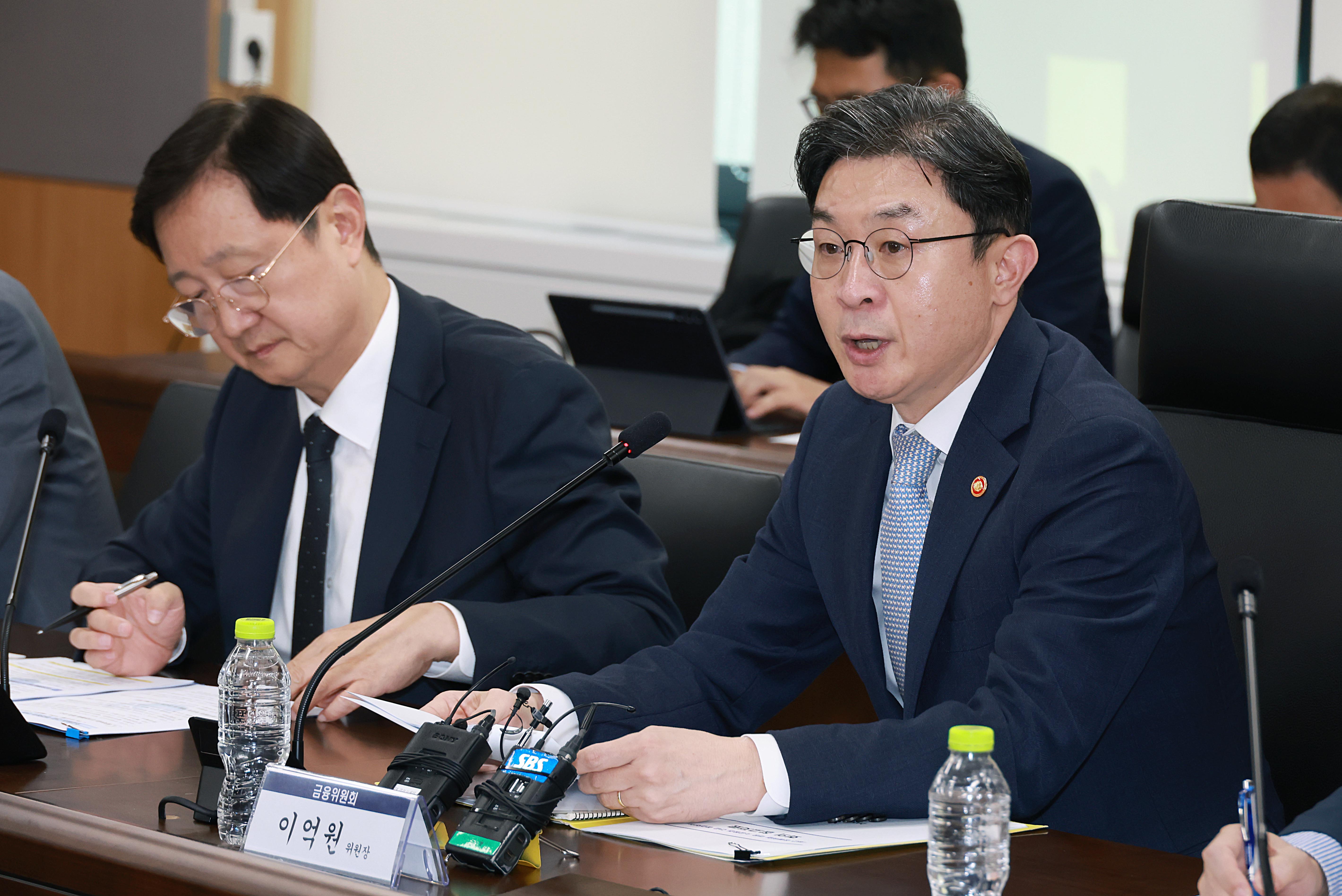
A string of hacking incidents has hit South Korea at a time when the financial authorities' cautious easing of network separation (mangbunri) rules is under discussion, raising questions about whether the relaxed regime can withstand the elevated security risks that come with greater AI adoption. Available materials establish the coincidence in timing and the policy debate, but stop short of establishing a causal link between the easing and the attacks.
South Korea's financial sector has long operated under strict network separation requirements, which isolate internal systems from the internet. With the rise of AI services in banking, regulators and industry have floated ways to relax these rules so that firms can use external AI tools and large language models. That discussion is now colliding with a series of hacking incidents, placing the planned relaxation under scrutiny.
The available evidence points to a connection in framing rather than in fact: the hacking wave and the easing debate are unfolding at the same time, and the possibility of a linkage has been raised at the level of discussion only. Officials' materials reviewed in connection with the claim do not establish that the incidents resulted from relaxed separation rules. Any interpretation that the attacks were a direct consequence of the policy shift goes beyond what the sources support.
For now, the incidents serve as a stress test for the direction of policy: regulators weighing how far to open financial networks to AI must account for the security environment demonstrated by the recent attacks.
On balance, the claim is Mostly True.