AI · SEMICONDUCTOR · FACT CHECK
 SKD WIRE
Mostly True
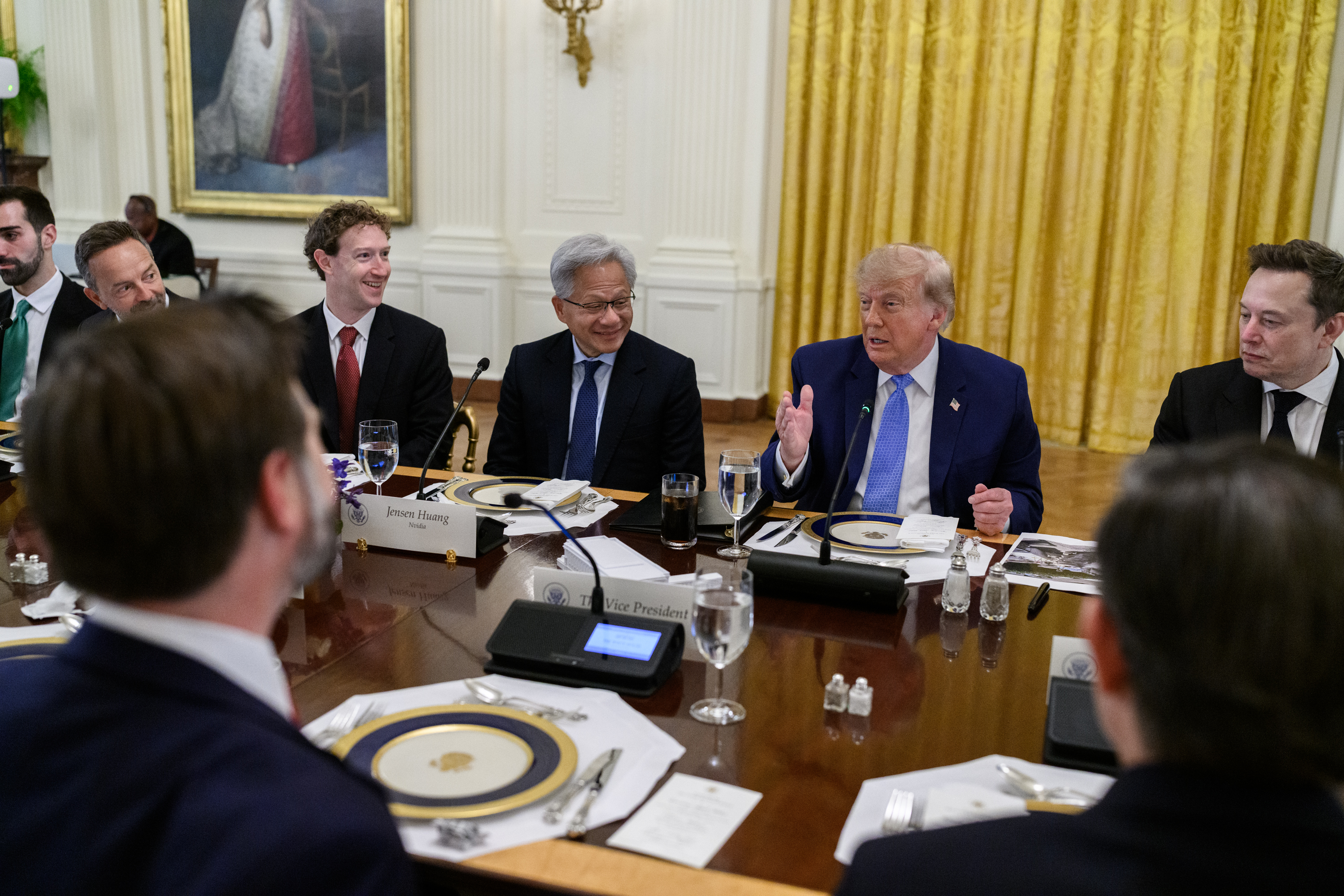
Clayton, described as a longtime confidant of U.S. President Donald Trump, has been appointed to the White House's top artificial intelligence post, taking on the informal role of "AI czar" tasked with coordinating the administration's AI policy.
The appointment places Clayton at the center of the Trump administration's approach to artificial intelligence, a portfolio that spans federal AI regulation, industrial policy, and coordination with the technology sector. As AI czar, Clayton is expected to shape how the White House balances innovation with national security concerns in a field where U.S. policy has direct consequences for global semiconductor and AI supply chains.
The appointment carries particular weight for Korean industry. U.S. AI policy affects export controls on advanced chips and HBM, as well as the investment decisions of companies such as Samsung Electronics and SK hynix, both of which operate major manufacturing footprints in the United States.
Details surrounding the scope of Clayton's authority and the formal structure of the role were not fully specified in the available material. The designation "AI czar" is an informal label rather than an official title, and the precise responsibilities attached to the position remain subject to how the White House organizes its AI policy apparatus.
The claim that Clayton is a Trump confidant was assessed against a set of primary sources, and the core assertion — his appointment to the White House AI czar role — held up on the essentials, though some surrounding details remain unconfirmed.
The claim that Clayton, a Trump confidant, was appointed as the White House AI czar is Mostly True.
Verdict: Mostly True