AI · SEMICONDUCTOR · FACT CHECK
 SKD WIRE
Mostly True
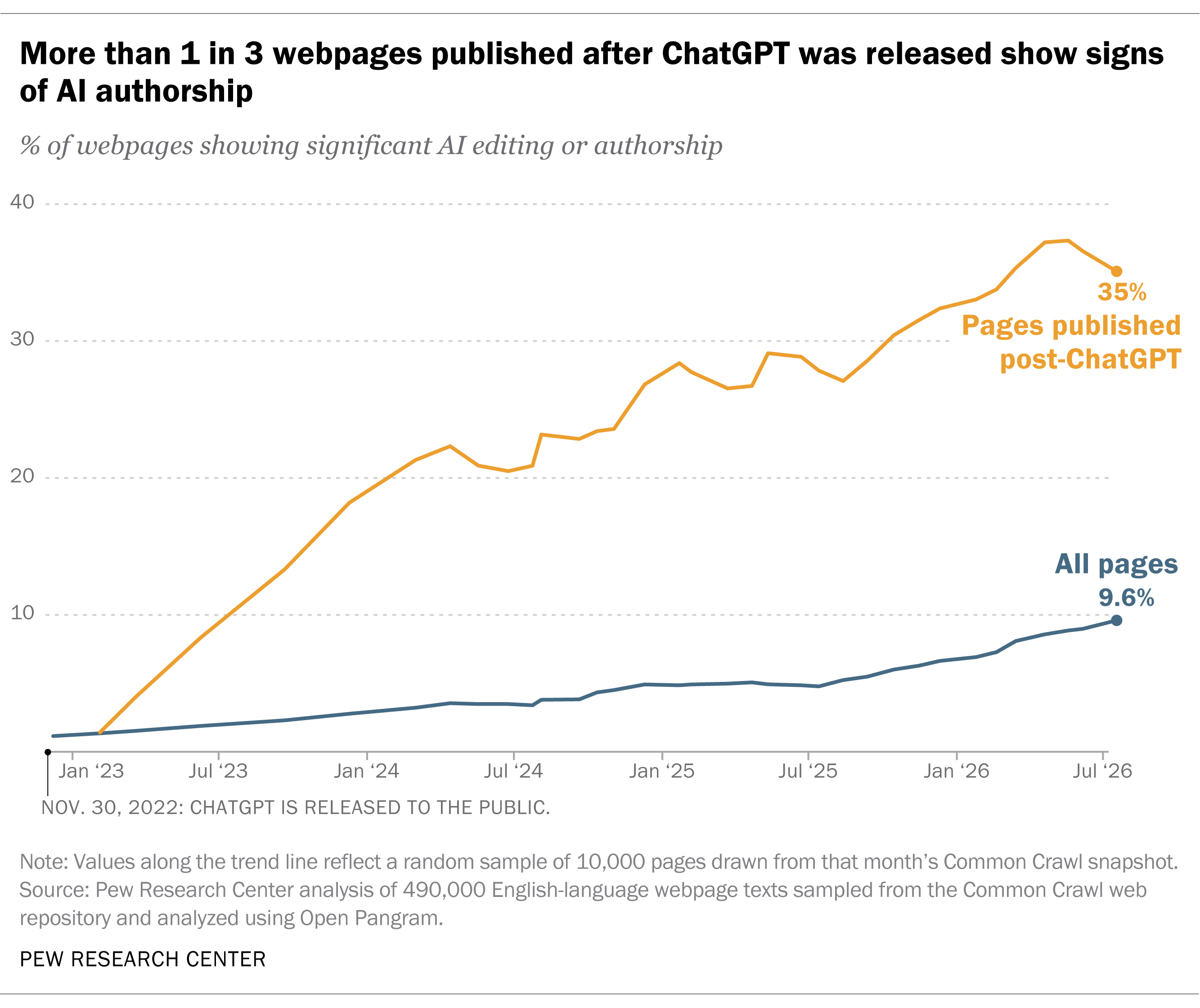
Content created entirely by humans is being suspected of being AI-generated, a phenomenon that has drawn attention as AI-generated text, images and video become widespread. The claim — that "if you write well, you get suspected of using AI" — holds up in large part, though the picture is more nuanced than a blanket statement suggests.
The core of the phenomenon is straightforward: as AI-generated output becomes more common, polished, well-structured writing and imagery are increasingly treated with suspicion by readers, reviewers and automated detectors. Human authors report that work showing high consistency or fluency is flagged or questioned, regardless of how it was produced.
AI-detection tools are known to produce false positives, sometimes flagging human-written text as machine-generated. Because no detection method is fully reliable, accusations based on such tools carry real risk for human creators, particularly in academic, journalistic and professional settings where provenance matters.
The reverse also occurs — AI-generated content can pass as human work — which deepens general distrust of all content and raises the burden on human authors to prove authorship.
The breadth of the phenomenon is harder to pin down. There is no firm measurement of how often human-made content is wrongly suspected of being AI-generated, and experiences vary by field, platform and language. The claim is directionally supported but should not be read as a universal rule.
For humans who write well, suspicion has become a plausible side effect of the AI era — mostly true, but with caveats.
Verdict: Mostly True