AI · SEMICONDUCTOR · FACT CHECK
 SKD WIRE
True

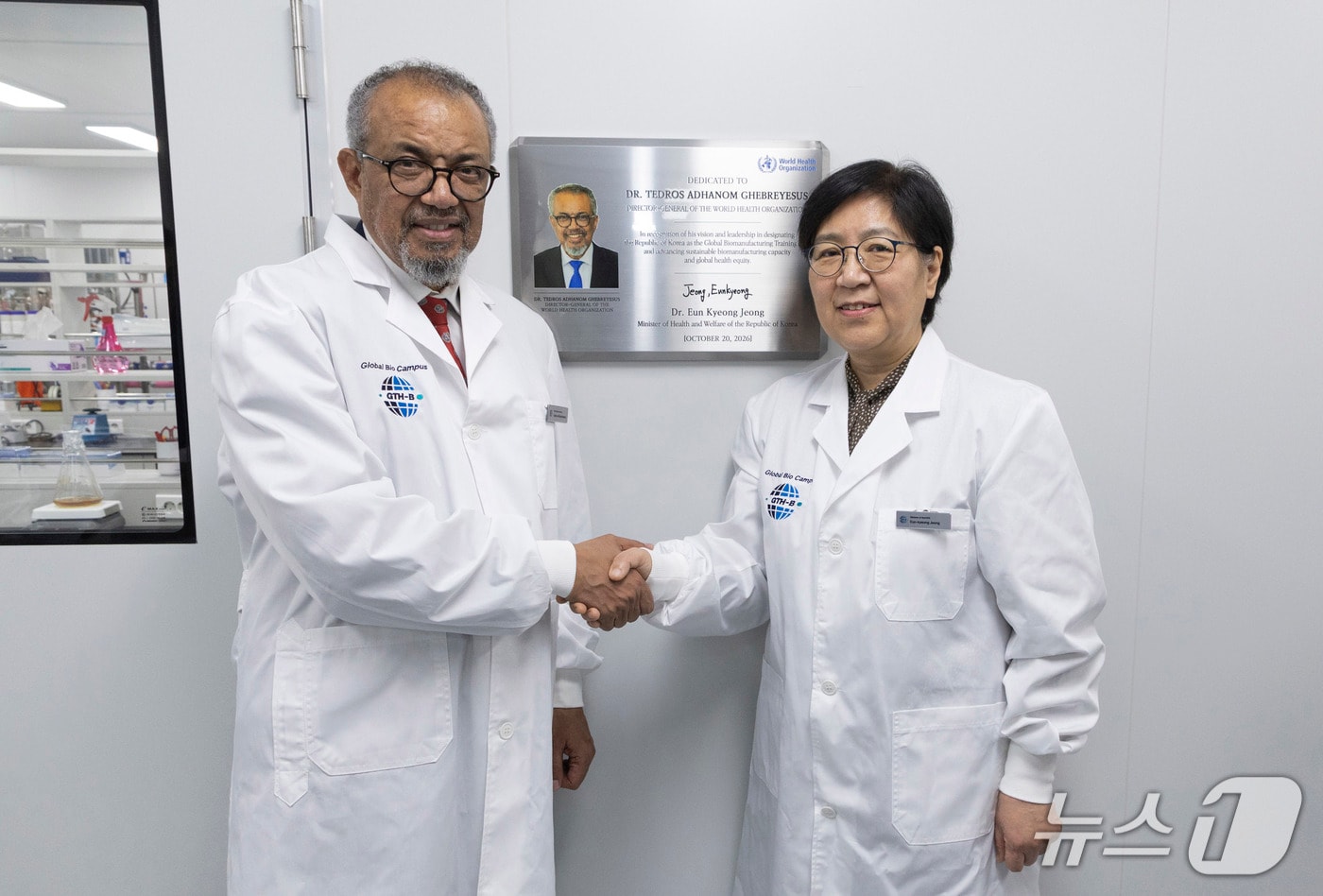
South Korea and the World Health Organization have jointly announced the 'Seoul Declaration,' a document centered on international cooperation in AI-based new drug development and clinical innovation, marking a step toward shared standards in the application of AI to biomedical research.
The Seoul Declaration was presented by South Korea and the WHO, positioning the two parties as partners in advancing the use of AI across the drug development pipeline. The declaration covers AI-driven new drug development and innovation in clinical research, with international cooperation framed as the core principle of the initiative.
The agreement highlights two main areas: the application of AI to the discovery and development of new drugs, and the modernization of clinical trial and clinical research practices. By naming both areas explicitly, the declaration signals an intent to address AI's role across the full lifecycle of medicine development — from early-stage research through clinical validation.
The declaration is structured around collaboration rather than a unilateral national program. Joint work between Korea and the WHO is presented as the vehicle for aligning approaches to AI in the biomedical field, reflecting growing international attention to how AI technologies should be governed in drug development and clinical settings.
Details such as specific funding commitments, implementation timelines, or the list of concrete projects to follow the declaration have not been laid out in the announcement covered by the reporting. As with many high-level declarations, the practical follow-up measures are expected to be defined in subsequent discussions between the parties.
The claim that Korea and the WHO announced the 'Seoul Declaration' on AI-based new drug development, clinical innovation, and international cooperation is True.