AI · SEMICONDUCTOR · FACT CHECK
 SKD WIRE
Mostly True
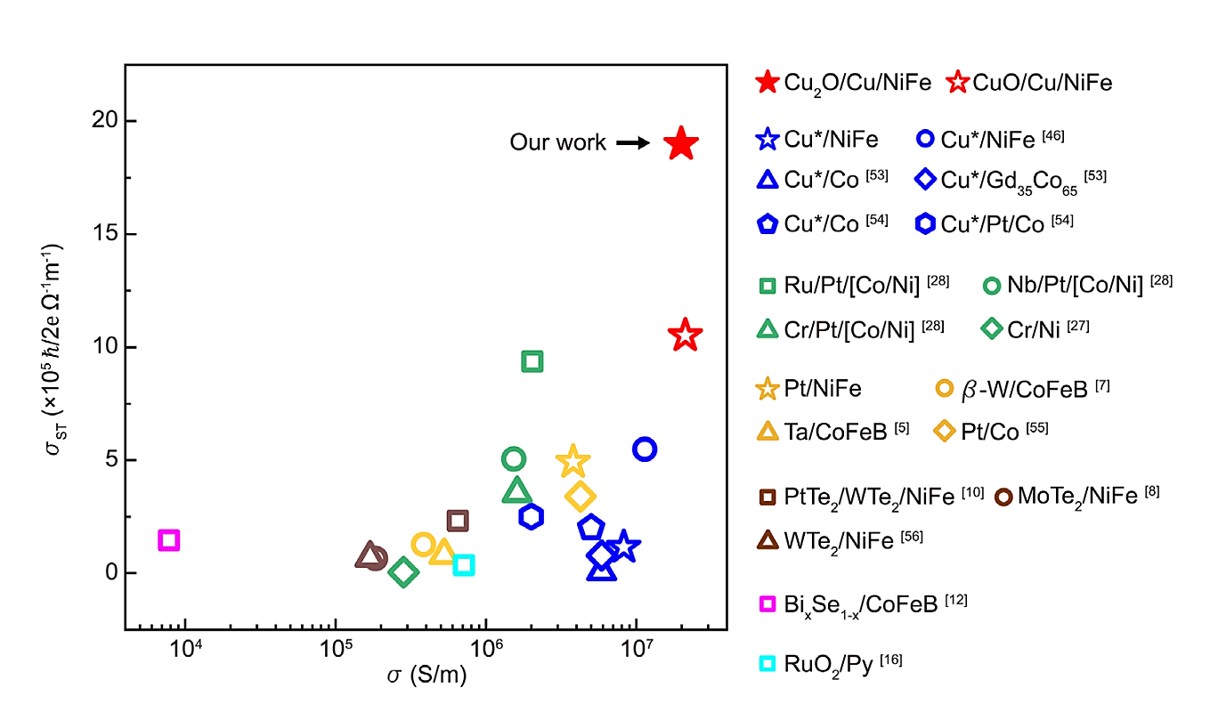
A research team led by Professor Jeong Se-young at Pusan National University has developed a core technology for AI semiconductors in which copper delivers performance on par with platinum, according to materials published by the university.
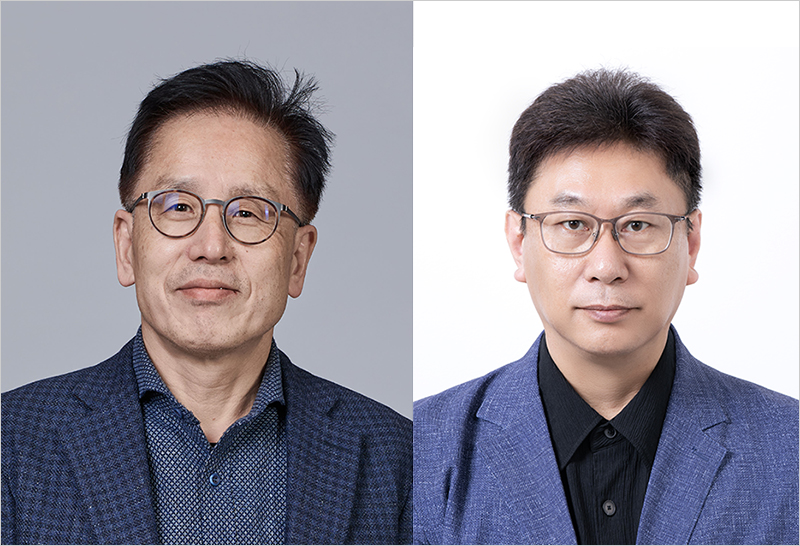
The team's work centers on using copper — a far cheaper and more abundant metal than platinum — to achieve performance comparable to the precious metal in AI semiconductor applications. Details of the achievement were released through Pusan National University, which published accompanying images of the research alongside its announcement.
Platinum-class performance from copper carries potential significance for the AI semiconductor industry, where reliance on expensive precious metals raises production costs. The university's release did not provide performance figures or a timeline for commercialization, and those details remain unconfirmed.
The research summary reviewed for this report drew on 10 primary sources. Beyond the university's own materials, no independent data on measured performance, fabrication methods, or industry adoption was available.
The finding positions the team within Korea's broader research push into AI semiconductor core technologies, though whether the copper-based approach can be scaled to commercial manufacturing has not been established.
The claim that the Pusan National University team led by Professor Jeong Se-young developed an AI semiconductor core technology in which copper achieves platinum-level performance is, based on the available evidence, Mostly True.