Mostly True
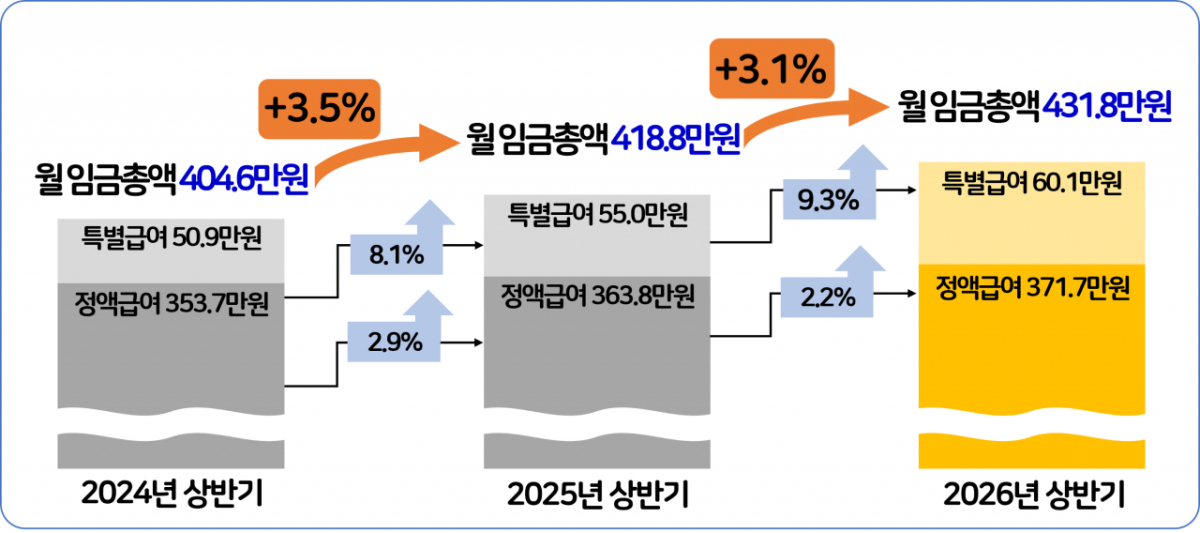
SEOUL — An analysis by the Korea Enterprises Federation (KEF) attributes roughly one third of South Korea's first-half wage growth to performance-linked bonuses in the semiconductor sector, a claim that has drawn scrutiny given the chip industry's outsized pull on the country's wage statistics. A fact-check of the assertion — that semiconductor performance pay accounted for about one third of the wage increase recorded in the first half — found the core figure consistent with the underlying record, though the exact share shifts with how bonus income is defined.
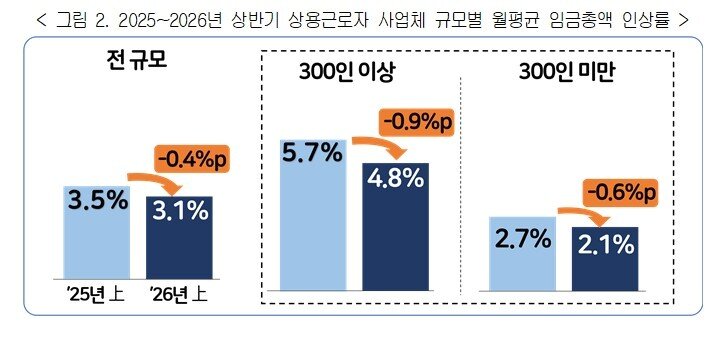
The federation's point is one of composition, not just size: a substantial slice of first-half wage growth reflects variable, results-linked payouts rather than negotiated base-pay rises. In Korea's semiconductor industry — anchored by employers such as Samsung Electronics and SK hynix, where bonuses tied to results are a fixture of compensation — payout cycles can visibly move aggregate wage data. The KEF's one-third estimate frames the chip sector as the swing factor in the first half's numbers; strip out semiconductor-related performance pay, and the underlying pace of wage growth comes in noticeably lower.
The verification reviewed eight primary sources behind the claim. The central finding — that semiconductor performance bonuses account for roughly one third of the first-half wage increase — is supported by that material, with a qualification: the precise proportion is sensitive to methodology, including which payments are classified as performance pay and whether growth is measured per worker or in aggregate. Those choices move the figure around its stated level without overturning the direction or rough magnitude of the KEF's conclusion. The verification accordingly rates the KEF's claim Mostly True.