AI · SEMICONDUCTOR · FACT CHECK
 SKD WIRE
Mostly True
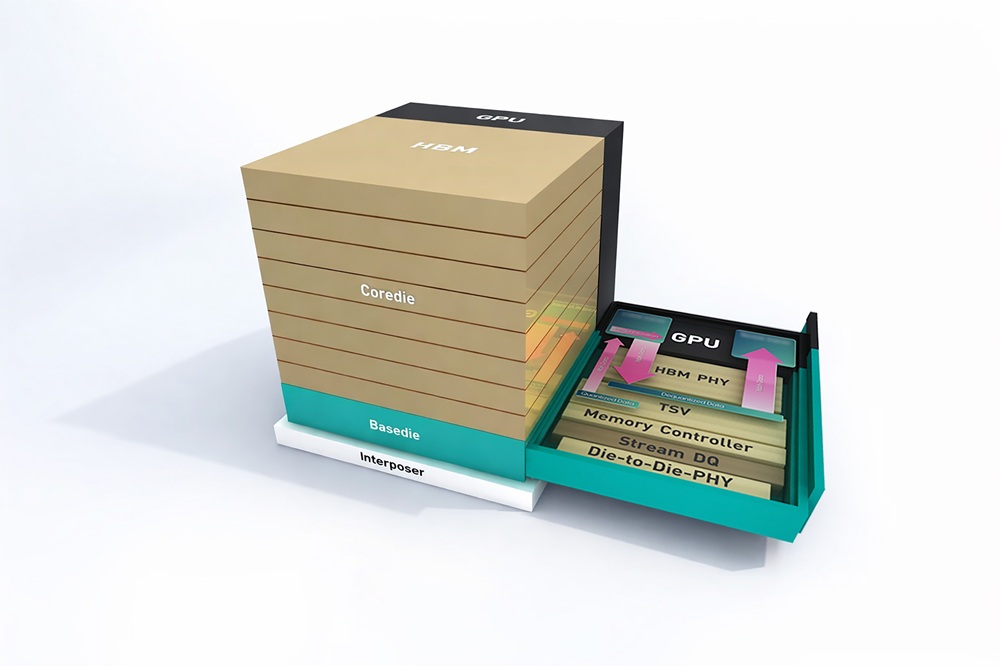
As the AI boom matures, the binding constraint on Korea's tech champions is no longer technology but capital, according to the claim examined in this report — a framing that appears broadly consistent with the underlying facts, though its causal explanation for foreign investors' KOSPI exodus remains partly interpretive.
The core factual premise of the claim — that AI investment now hinges on capital availability — aligns with developments at Korea's semiconductor majors. Companies such as Samsung Electronics and SK hynix face massive capital requirements to build out AI-related capacity, including memory and HBM production. In this environment, the ability to finance investment, rather than access to the underlying technology, becomes the decisive competitive factor.
The second half of the claim — that foreign investors are leaving the KOSPI — is presented together with a causal explanation linking those outflows to the capital-intensity of the AI race. The factual component of foreign selling is not disputed here. However, the reasons behind foreign investors' movements are multi-layered, and attributing the exodus specifically to the capital bottleneck in AI investment constitutes a partial interpretation rather than an established fact.
The claim's strength lies in connecting two verified trends: the escalating capital demands of AI infrastructure, and sustained foreign net selling in the Korean market. Its weakness is that the causal link between the two — the assertion that the capital bottleneck is why foreigners are leaving — cannot be fully established from the available facts. Other macroeconomic and market factors may also be at work.
On the facts of rising AI capital intensity and foreign KOSPI outflows, the claim holds up, while its causal narrative goes beyond what is fully established — making the overall assessment Mostly True.