AI · SEMICONDUCTOR · FACT CHECK
 SKD WIRE
Mostly True
An eye examination powered by AI is emerging as a practical screening tool for dementia, marking a step toward the era of AI-assisted medicine. The claim that doctors can "diagnose dementia by looking into the eyes" with AI support is broadly accurate — but with an important qualification: AI-based eye findings serve as an early-warning signal rather than a standalone, definitive diagnosis.
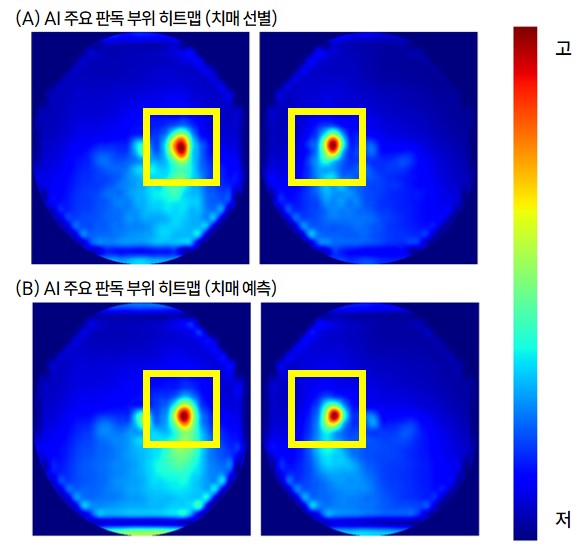
Research summarized in the scientific literature points to measurable changes in the retina that correlate with neurodegenerative conditions, including dementia and Alzheimer's disease. Because the retina is an extension of the central nervous system, imaging technologies can capture structural and vascular changes that mirror what is happening in the brain.
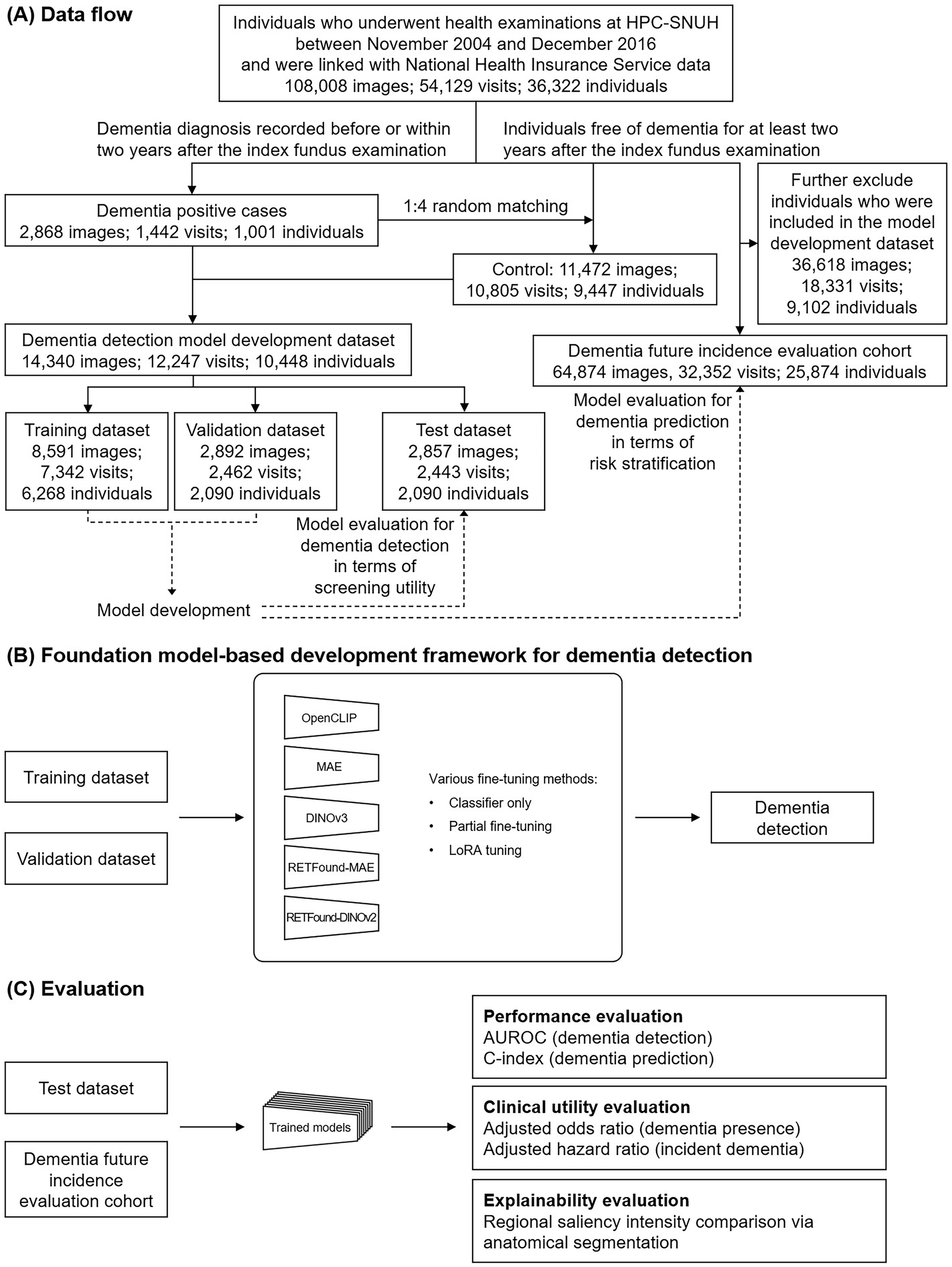
AI models trained on retinal images are now able to flag patterns associated with cognitive decline earlier and more cheaply than many conventional screening routes. The core scientific figure cited in the underlying research supports this link between retinal imaging and neurodegenerative disease markers.
The key caveat is the word "diagnose." AI-based retinal screening identifies risk and supports clinical assessment; a formal dementia diagnosis still requires comprehensive clinical evaluation, including cognitive testing, patient history and follow-up examination. The technology opens a faster, lower-cost pathway for early detection and triage, particularly in settings where specialist access is limited, but it does not replace a physician's judgment.
The overall direction of the claim — that AI-driven eye examinations have become a viable tool for detecting dementia-related changes — stands on current evidence, and the "AI medicine era" framing reflects real, deployed capabilities rather than a distant promise.
The claim that AI eye exams can detect dementia is broadly supported by the research evidence, with the caveat that AI serves as a screening and decision-support tool rather than an autonomous diagnostic authority. Verdict: Mostly True.