AI · SEMICONDUCTOR · FACT CHECK
 SKD WIRE
Mostly True
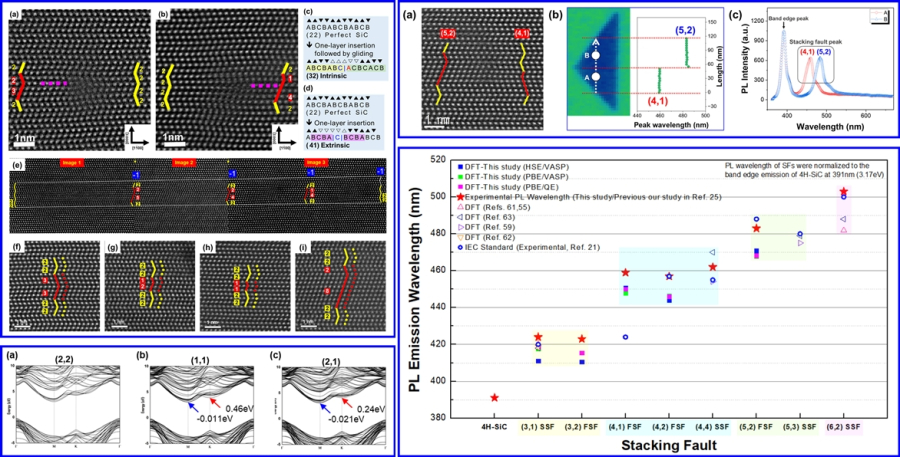
The wavelength convention used to identify defects in silicon carbide (SiC) semiconductors has been shown to be erroneous, ending a 15-year period during which the flawed standard went unchallenged, according to a review of 12 primary sources.
SiC semiconductors, prized for their efficiency in power electronics, rely on optical wavelength measurements to distinguish defective material from acceptable wafers. The wavelength value long used for this determination has now been established as incorrect, resolving a discrepancy that had persisted for roughly 15 years.
The finding matters for manufacturers of SiC-based power devices, where defect inspection directly affects yield and reliability. An incorrect wavelength reference can misclassify defects, with consequences for production quality control.
Details on which institution carried out the re-examination and whether the corrected wavelength value has been formally adopted by industry or standards bodies were not available in the reviewed material. The practical impact on current SiC production lines also remains unclear.
The core claim is rated Mostly True.

