AI · SEMICONDUCTOR · FACT CHECK
 SKD WIRE
Mostly True
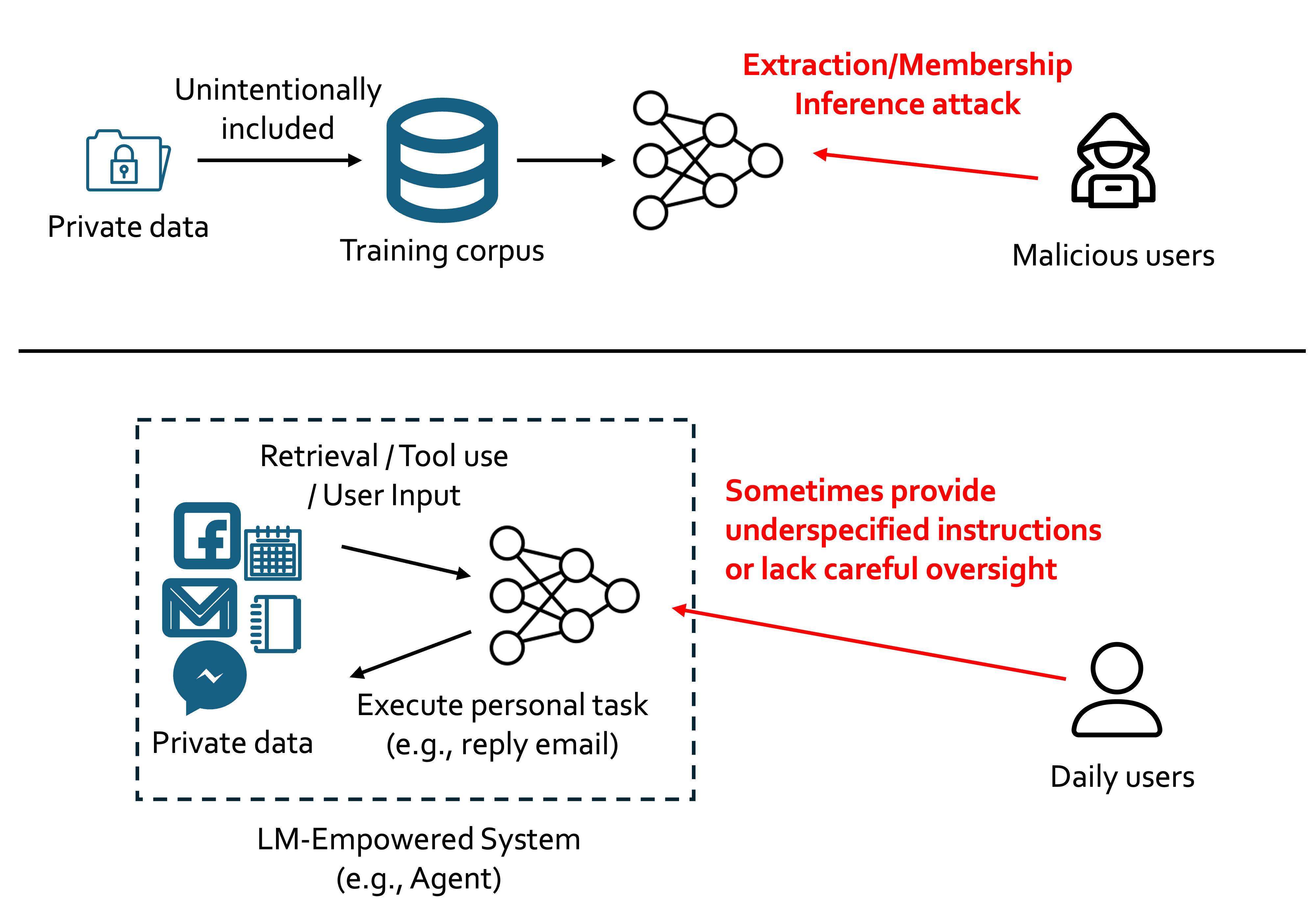
A review of recent research into large language models (LLMs) has found that while the systems perform strongly on many language tasks, they show notable limitations when asked to make context-sensitive privacy judgments — the kind of reasoning required to decide whether sharing a piece of personal information is appropriate in a given situation.
The findings, drawn from a primary review covering 12 sources, indicate that LLMs tend to apply privacy norms in a rigid or generalized way. Rather than weighing situational factors — such as the relationship between speakers, the sensitivity of the information, and the setting in which it is shared — the models often fail to adjust their judgments to context, exposing a structural weakness in how privacy is handled inside current AI systems.
The research, published under the PrivacyLens project with materials dated February 3, 2025, frames the problem as a trade-off: models trained to be broadly helpful may disclose or endorse sharing information that a careful human would withhold, while models tuned to be cautious may become overly restrictive.
As LLMs are embedded in assistants, customer service tools, and enterprise workflows, contextual privacy failures carry practical risks. A system that cannot reliably judge what information should remain private in a given conversational setting could expose user data or give inappropriate advice about sharing it.
The review does not conclude that the weakness is unfixable, and it does not quantify how widely the problem extends across commercial models. The uncertainty noted in the research leaves open how much the gap varies between model families and how quickly it is being closed through training improvements.
For Korea's AI sector — where Naver, Kakao, Samsung Electronics and others are racing to deploy generative AI services — the finding underscores that benchmark performance alone does not capture whether a model is safe to put in front of users.
The claim that large language models expose limits in contextual privacy judgment is, on balance, Mostly True.