AI · SEMICONDUCTOR · FACT CHECK
 SKD WIRE
True
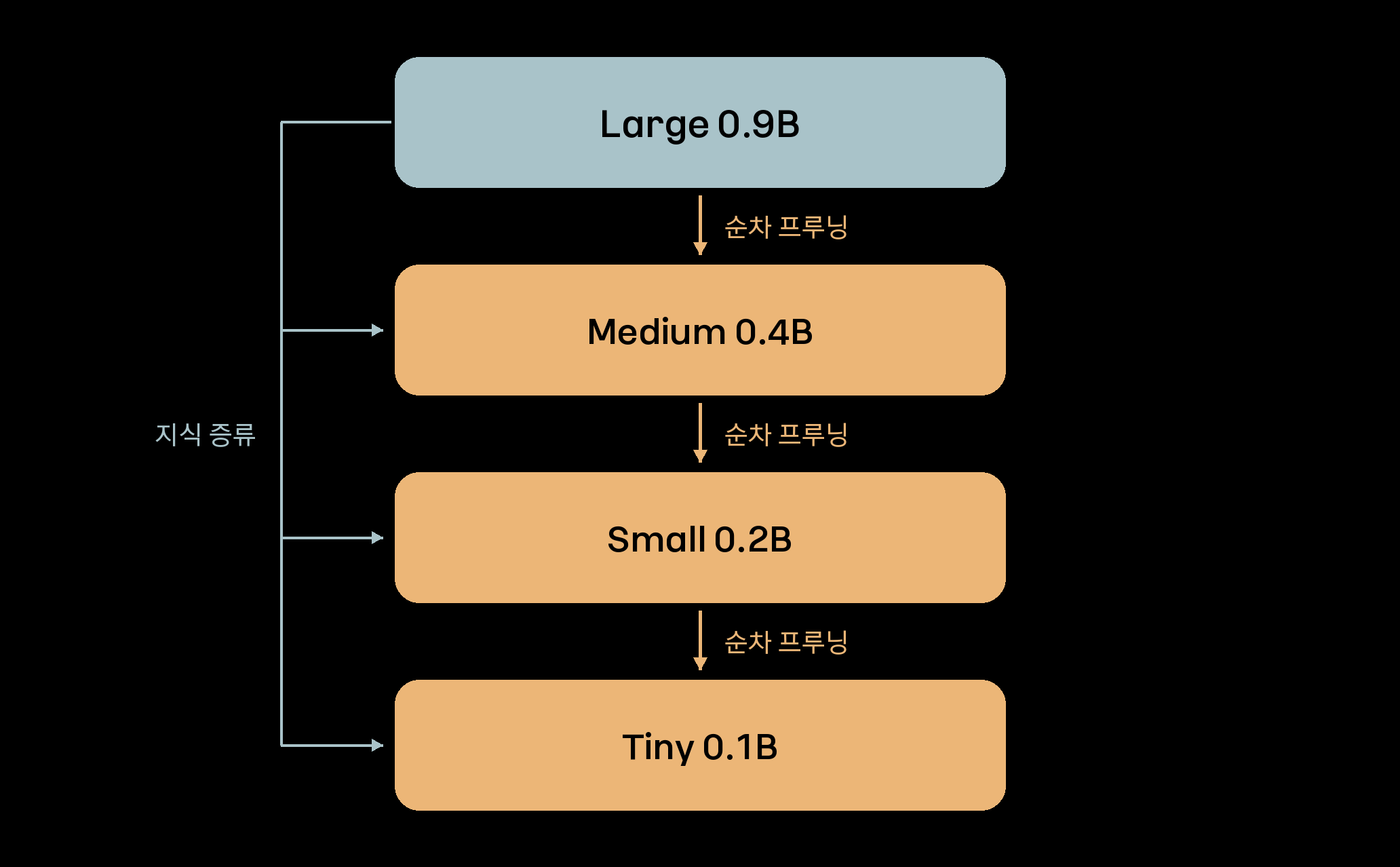
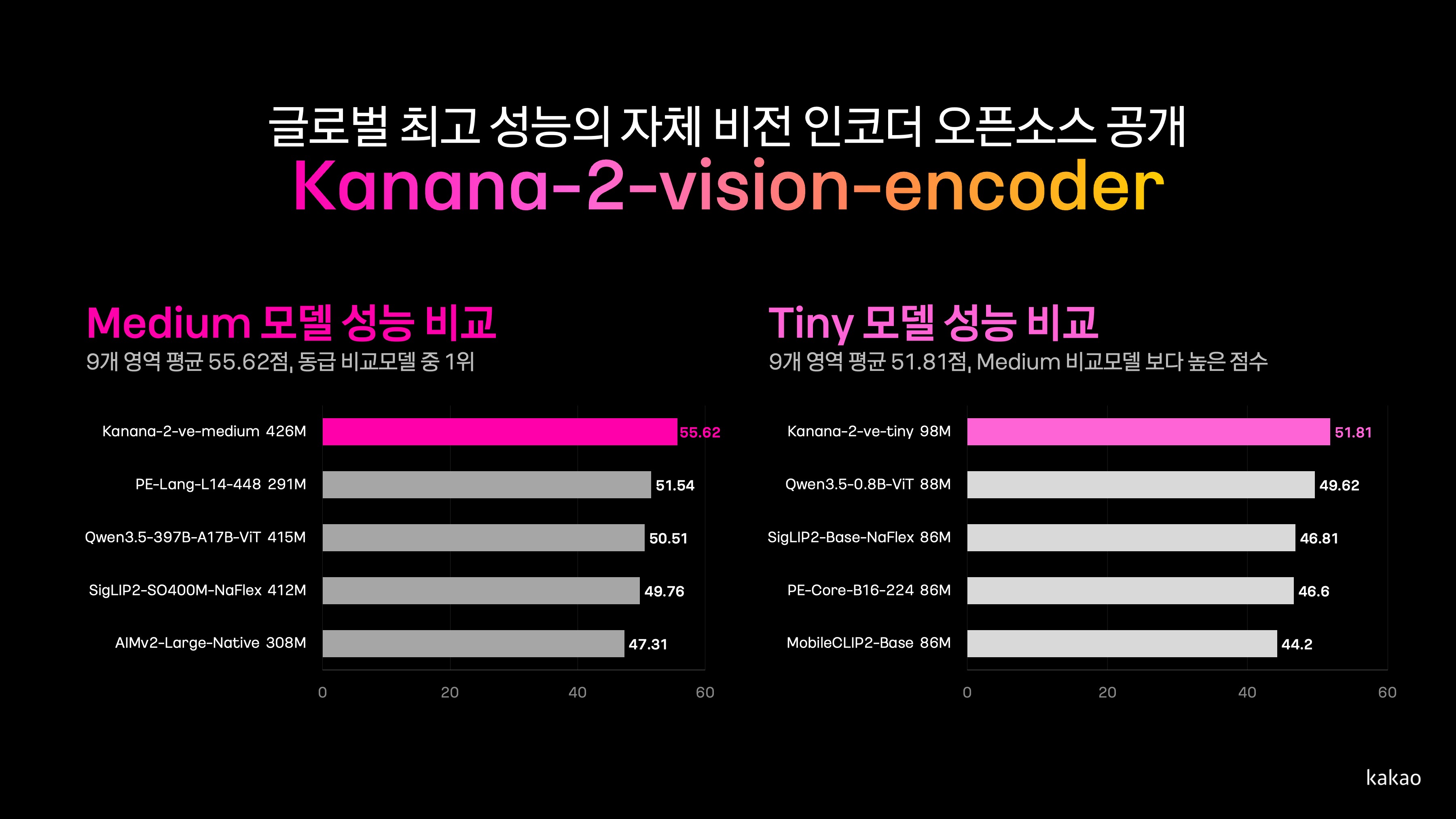
Kakao has made two of its vision encoder models available to the public as open source, publishing them through its Kakao Tech channels. The release allows developers and researchers to freely access and build on the AI models, which are designed to process visual information for multimodal AI systems.
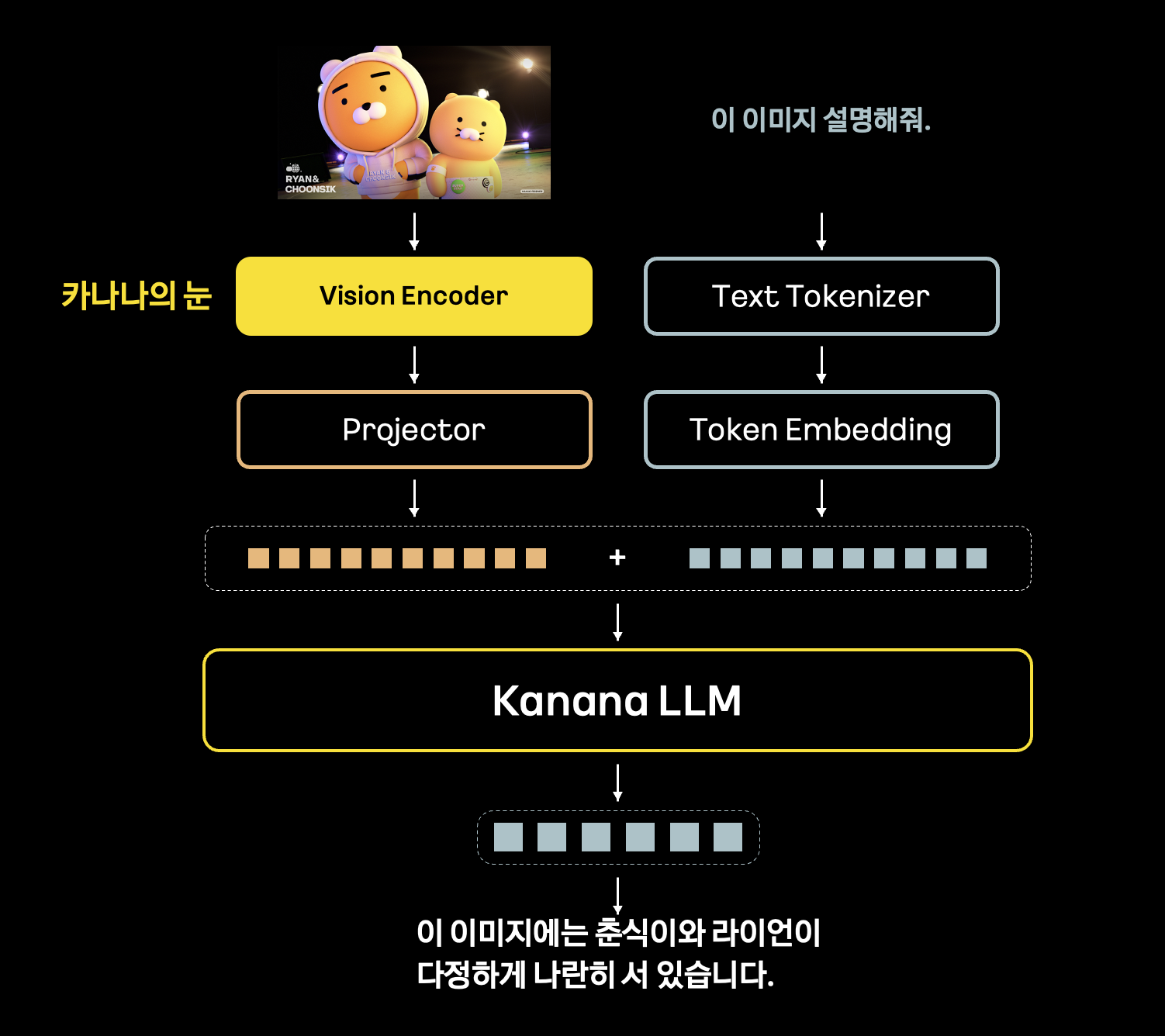
The two vision encoders released by Kakao are components used in multimodal AI systems, where they convert visual input such as images into representations that can be processed alongside text. By open-sourcing the encoders, Kakao has made the model artifacts publicly available rather than keeping them proprietary.
The models were published through Kakao Tech's official channels, with accompanying materials hosted on the company's media platform.
Vision encoders are a core building block in modern multimodal AI, underpinning systems that combine image understanding with language capabilities. Releasing such components as open source lowers the barrier for smaller development teams and academic groups that lack the resources to train visual models from scratch.
The move also positions Kakao alongside other technology companies that have opened up parts of their AI infrastructure, reflecting a broader trend of sharing foundational AI components to accelerate ecosystem development.
Details such as licensing terms, benchmark performance figures, and planned update schedules for the two encoders were not specified in the materials reviewed. Developers interested in adopting the models should consult Kakao's official release for the applicable usage conditions.
Kakao has been steadily expanding its public AI development activity, and the open-source release of the two vision encoders marks a further step in that direction. The claim that Kakao has released two vision encoders as open source is True.