AI · SEMICONDUCTOR · FACT CHECK
 SKD WIRE
True
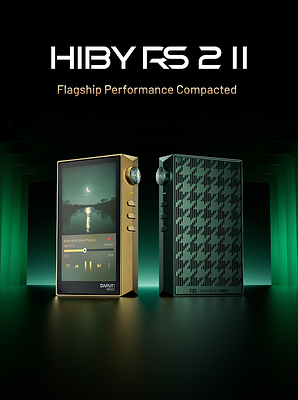
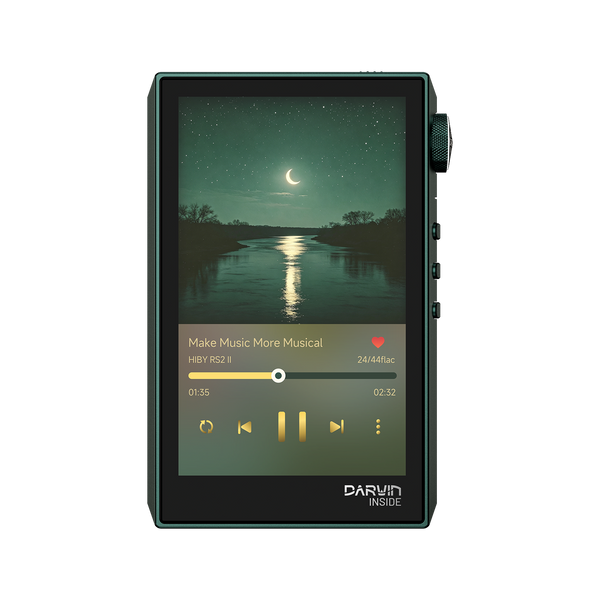
LG's RS2 II monitor is built around the company's DARWIN III architecture, which is powered by a newly developed FPGA digital engine featuring more than 35K logic units and 40 high-speed, high-performance channels. The design, detailed in product materials for the display, underpins the monitor's processing performance.
The RS2 II centers on LG's DARWIN III architecture, the latest iteration of the platform used in the company's high-end displays. According to the product information, the architecture is driven by a newly developed FPGA digital engine, a reconfigurable chip design that handles the monitor's internal signal processing.
The new FPGA digital engine features more than 35K logic units, giving the display substantial on-chip processing capacity, along with 40 high-speed, high-performance channels. These channels manage data throughput within the display pipeline, a key factor in how the monitor handles high-bandwidth video signals.
FPGA-based engines of this kind allow manufacturers to tune display processing through firmware, and LG's choice to develop a new engine for the RS2 II indicates a significant hardware refresh for the DARWIN platform in this generation.
With the DARWIN III architecture and its new FPGA engine, the RS2 II positions itself as LG's showcase for advanced display processing. The company's product materials highlight the combination of the architecture and the engine's specifications — the 35K-plus logic units and 40 high-speed channels — as the defining technical features of the model.
Further details on the RS2 II's full panel specifications and availability were not included in the materials reviewed for this report.
The claim that the RS2 II's DARWIN III architecture is powered by a newly developed FPGA digital engine with more than 35K logic units and 40 high-speed, high-performance channels is True.