AI · SEMICONDUCTOR · FACT CHECK
 SKD WIRE
Mostly True

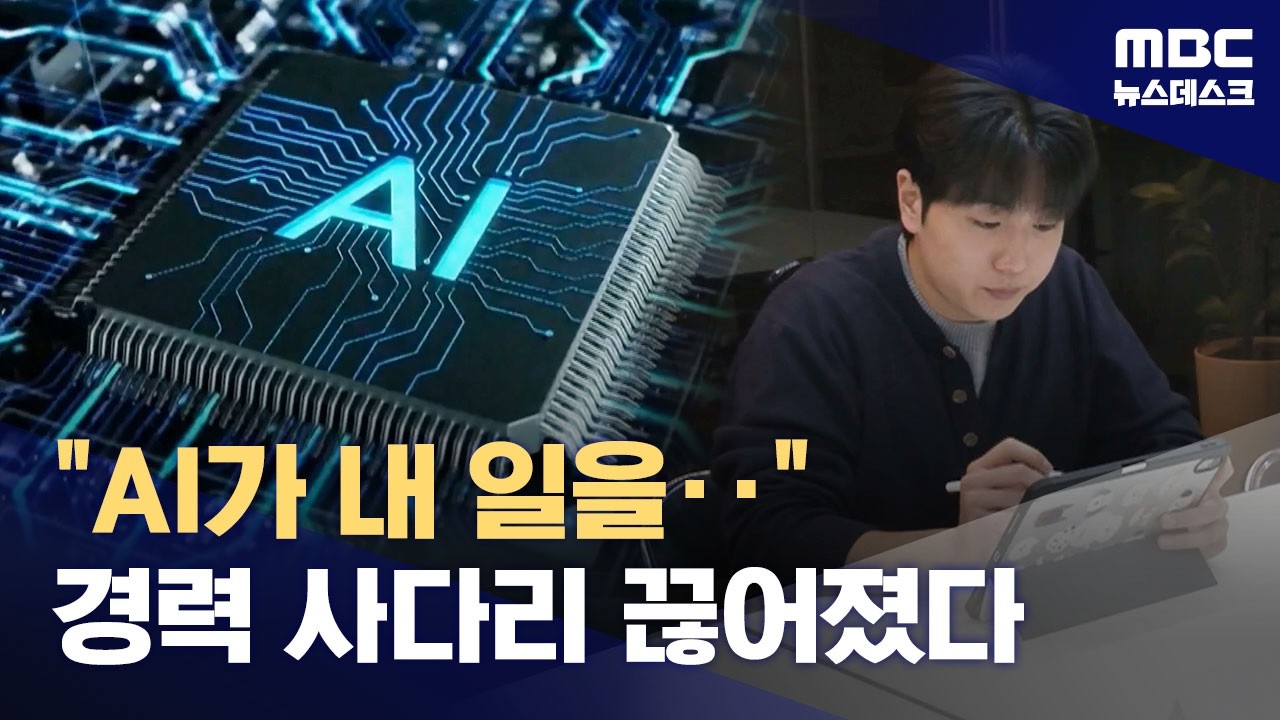
A widely circulated claim in South Korea's job market discourse — that even after landing employment, AI increasingly performs the work — holds up against a Bank of Korea report, though the finding describes a growing influence of AI on job content rather than wholesale replacement of human workers.
The Bank of Korea material, published on its official website, examines how AI adoption is changing the nature of work for people already employed. Its analysis and accompanying charts indicate that AI is taking on a growing share of tasks within existing jobs — supporting the core of the claim that employment no longer shields workers from AI's reach into daily work.
The report's focus is on task-level substitution and augmentation: rather than only affecting whether people get hired, AI tools are absorbing portions of the duties that workers perform once on the job.
The claim, stated bluntly as "AI does the work even if you get a job," is broadly consistent with the report's findings but overstates the picture if read as meaning AI fully performs workers' jobs. The Bank of Korea's material points to AI affecting and automating portions of work content, not the complete displacement of employed workers. The exact scale and pace of that substitution remain a matter of the report's estimates rather than settled fact.
For Korea's labor market, the finding reframes the usual employment anxiety: securing a job does not remove exposure to AI-driven change. Workers may face redefined roles and task compositions even after hiring, according to the central bank's analysis.
The claim that AI does the work even after employment is, on balance, Mostly True.