AI · SEMICONDUCTOR · FACT CHECK
 SKD WIRE
Partly True
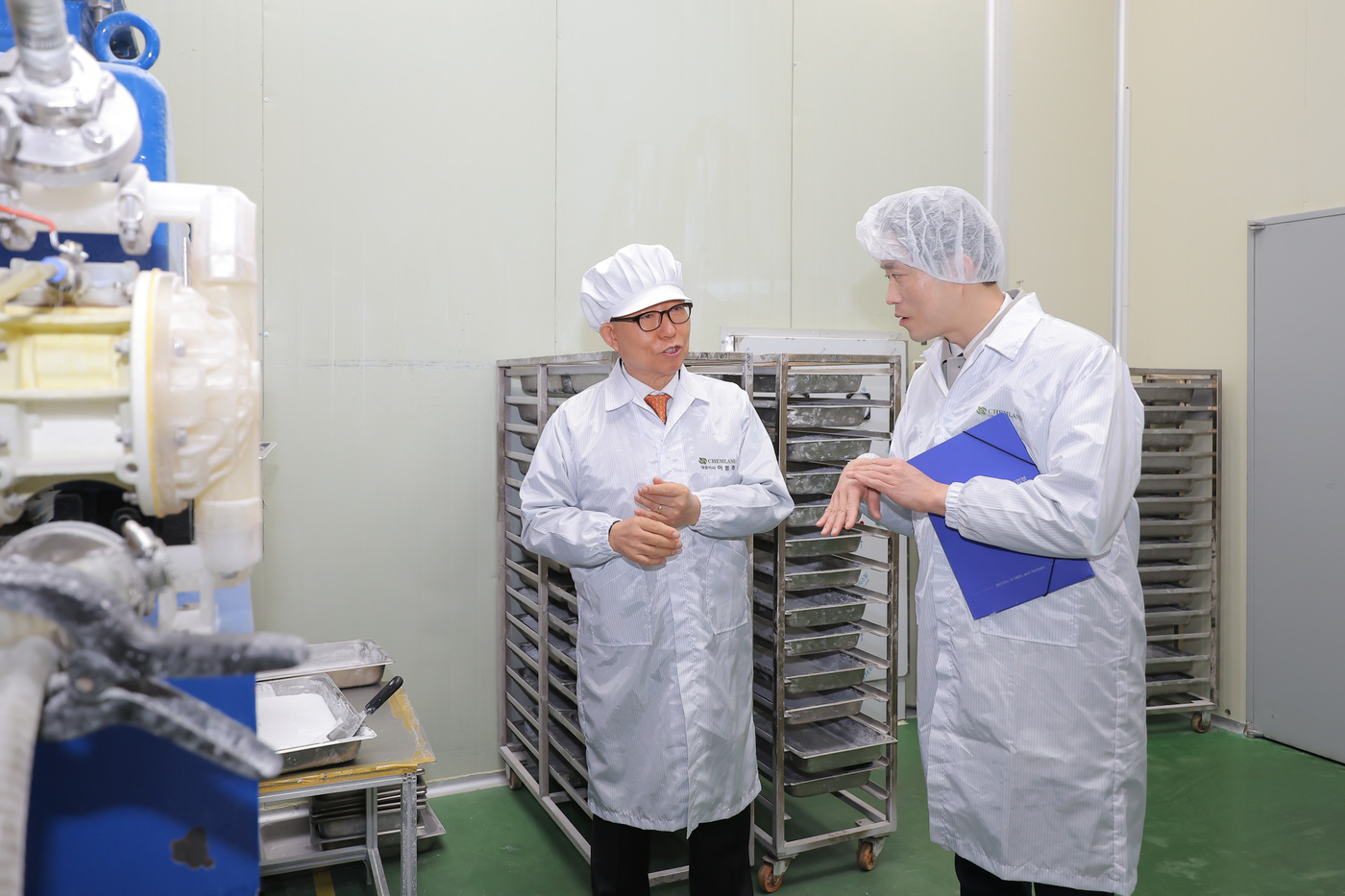
South Korea's cosmetics industry is seeing rising lead times as K-beauty export orders surge, according to a fact-check of recent supply chain alarm reports, which found that while order backlogs and lengthening delivery schedules are real, claims of a sector-wide delivery emergency are only partly supported by the evidence.
Growing global demand for K-beauty products has translated into a sharp increase in order volumes for Korean cosmetics makers and their OEM/ODM partners. Manufacturers responding to the surge have reported increased lead times — the interval between order placement and delivery — as production lines run at capacity and raw material and packaging procurement stretch out.
The pattern is consistent with the broader K-beauty export boom, with contract manufacturers such as Kolmar Korea among the suppliers whose production schedules have come under pressure from the influx of orders.
While the rise in lead times is substantiated, the claim that the cosmetic supply chain is in a state of emergency over delayed deliveries is less firmly grounded. The available evidence confirms longer delivery intervals for some manufacturers but does not establish a systemic, industry-wide breakdown in delivery commitments.
Mid-tier and smaller suppliers appear to face the heaviest order pressure, while the extent to which major brands' shipments to overseas buyers have actually missed contracted deadlines could not be fully established from the sources reviewed.
Whether the longer lead times prove temporary — easing as manufacturers add capacity — or harden into chronic delivery delays will depend on procurement of key inputs such as packaging materials and on the durability of the current export wave. Buyers and distributors in overseas markets are the group most directly exposed if delays persist.
The claim that K-beauty order surges have increased lead times and put pressure on cosmetic supply chain delivery schedules is Partly True.
