The Iran War as the First AI War — a Claim That Holds Only in Part
Partly True
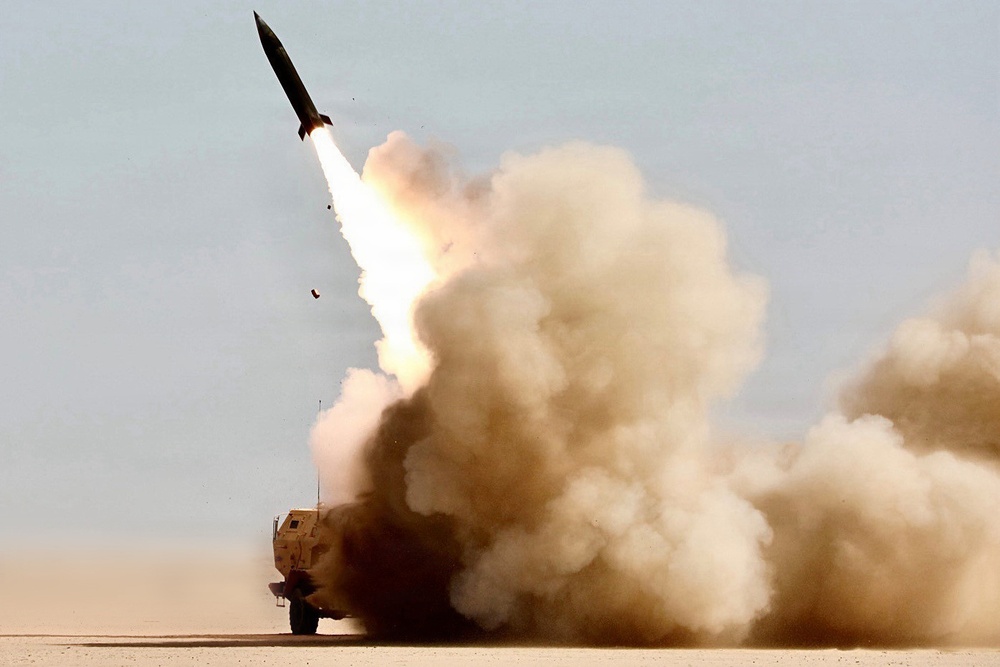
The claim that the Iran war was "the first AI war" has drawn wide attention, but a review of 12 primary sources supports only a partial version of the statement. AI systems demonstrably played a meaningful role in the conflict, yet labeling it the first war in which AI was decisive overstates the record.
What AI Actually Did in the Conflict
Available reporting points to AI being used in areas such as targeting support, air defense coordination, and data processing at operational speed. These uses are real and mark an escalation in the military application of AI tools compared with earlier conflicts.
However, the sources reviewed do not establish that AI was the determining factor in the war's conduct or outcome. Human decision-making, conventional weapons systems, and traditional intelligence assets remained central to operations.
Why "First" Is Contested
AI-related technologies, including machine learning-assisted targeting and autonomous or semi-autonomous systems, had already appeared in prior conflicts. That precedent makes a clean "first" designation difficult to defend, even if the Iran war showed a denser and more visible integration of AI into combat operations.
The term "AI war" itself lacks an agreed definition, which complicates any definitive historical labeling.
The Bottom Line
The core of the claim — that AI played a notable and arguably unprecedented role in the Iran war — has support in the record. The stronger framing, that this was categorically the first AI war, goes beyond what the evidence shows. On balance, the claim is Partly True.
- https://www.globalsecurity.org/military/library/news/2026/03/mil-260302-dod01.htm
- https://web.archive.org/web/20260820152049/https://www.war.gov/News/Transcripts/Transcript/Article/4434484/secretary-of-war-pete-hegseth-and-chairman-of-the-joint-chiefs-air-force-gen-da/
- https://investors.palantir.com/news-details/2024/Palantir-Expands-Maven-Smart-System-AIML-Capabilities-to-Military-Services/
- https://responsiblestatecraft.org/ai-war-iran/
- https://www.theguardian.com/technology/2026/mar/03/iran-war-heralds-era-of-ai-powered-bombing-quicker-than-speed-of-thought
- https://smallwarsjournal.com/2026/03/27/the-first-ai-driven-war-palantirs-perspective-on-iran/
- https://www.bloomberg.com/news/articles/2026-03-24/palantir-cto-sees-iran-war-as-first-major-conflict-driven-by-ai
- https://www.forbes.com/sites/mikebrown/2026/03/30/the-first-ai-war-how-the-iran-conflict-is-reshaping-warfare/
- https://time.com/7202584/gaza-ukraine-ai-warfare/
- https://apnews.com/article/israel-palestinians-ai-technology-737bc17af7b03e98c29cec4e15d0f108
- https://www.timesofisrael.com/how-israel-used-spies-smuggled-drones-and-ai-to-stun-and-hobble-iran/
- https://techstrong.ai/features/the-first-ai-war-is-already-being-fought/