AI · SEMICONDUCTOR · FACT CHECK
 SKD WIRE
Partly True
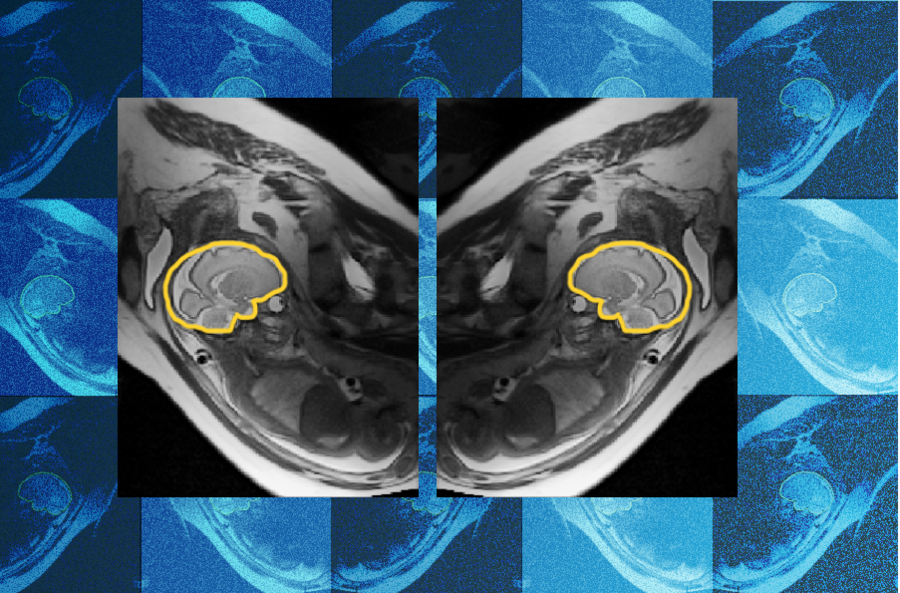
Researchers at MIT have developed an AI-based system that tracks fetal movement during brain MRI scans and adjusts imaging in real time, improving the accuracy of prenatal diagnosis, according to a claim rated partly true after a review of primary sources.
Fetal brain MRI has long been complicated by the fact that fetuses move during scans, degrading image quality. The MIT system uses AI to follow the fetus's motion as it happens and adapt the imaging process accordingly, rather than relying on static scan settings.
The system employs symmetry-based learning to raise the accuracy of prenatal diagnosis. By exploiting the natural symmetry of the brain, the approach helps the model better register and interpret fetal brain images, the research summary indicates.
The claim that the AI adjusts to fetal movement in real time and improves prenatal diagnostic accuracy through symmetry learning is supported. However, the overall assessment was not a full endorsement: the final judgment was that the claim is only partly true, meaning some aspects of the original assertion could not be fully substantiated by the eight primary sources reviewed.
The claim that MIT's AI tracks fetal motion during brain MRI and uses symmetry-based learning to improve prenatal diagnostic accuracy is Partly True.
