AI · SEMICONDUCTOR · FACT CHECK
 SKD WIRE
Mostly True
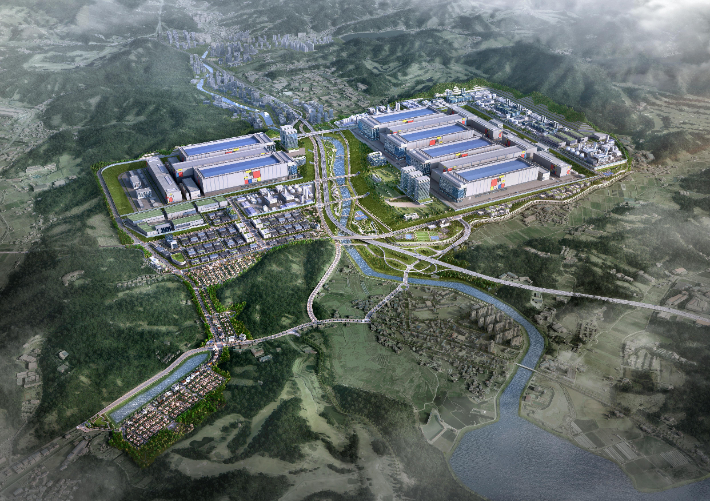
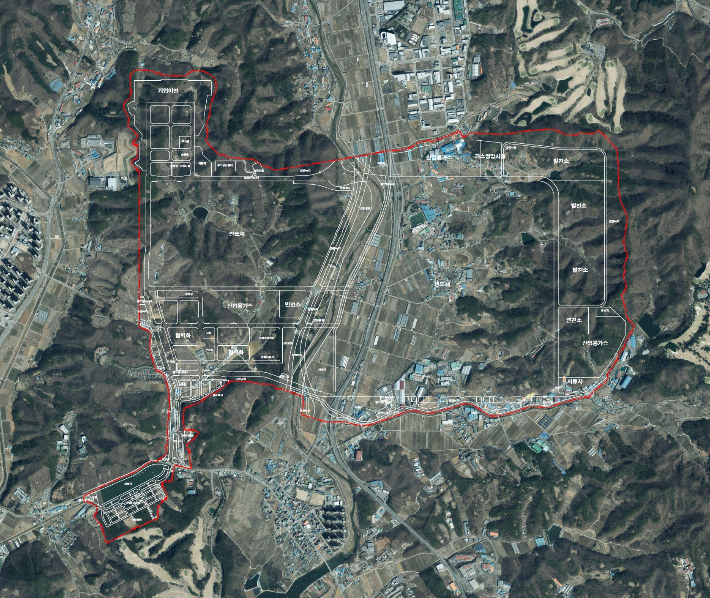
The Yongin Semiconductor National Industrial Complex, a flagship project in South Korea's push to secure a "super gap" in semiconductors, has broken ground, launching what officials describe as a race against time to build the country's largest-ever semiconductor manufacturing cluster.
The groundbreaking marks the formal start of development for the Yongin site, designated as a national industrial complex centered on semiconductor fabrication. The project has been framed as a test of whether Korea can accelerate permitting, infrastructure and construction timelines to match the pace of global competition in chips.
The complex is positioned as a cornerstone of the government's strategy to maintain Korean leadership in memory and advanced semiconductors, with Samsung Electronics expected to be a central presence at the site.
Reporting on the project has emphasized the "speed war" now underway, as the success of the Yongin complex is seen to hinge on how quickly fabrication facilities can be built and brought online. Delays in infrastructure — including power, water and road access — have been a recurring concern for large-scale semiconductor sites.
The characterization of the project as a "super gap" initiative reflects the government's stated goal of widening Korea's technological lead in semiconductors, though specific timelines for fab construction and operation remain subject to company investment decisions and regulatory processes.
Details such as final investment figures, the precise sequencing of fab construction, and the full roster of participating companies have not been definitively settled in public reporting. The pace of development will depend on coordination among the central government, local authorities and the companies involved.
On balance, the core claim — that the Yongin Semiconductor National Industrial Complex has begun construction as part of a high-stakes push for semiconductor supremacy — is Mostly True.